





Pharmaceutical Integration in High-Profile Fashion Events
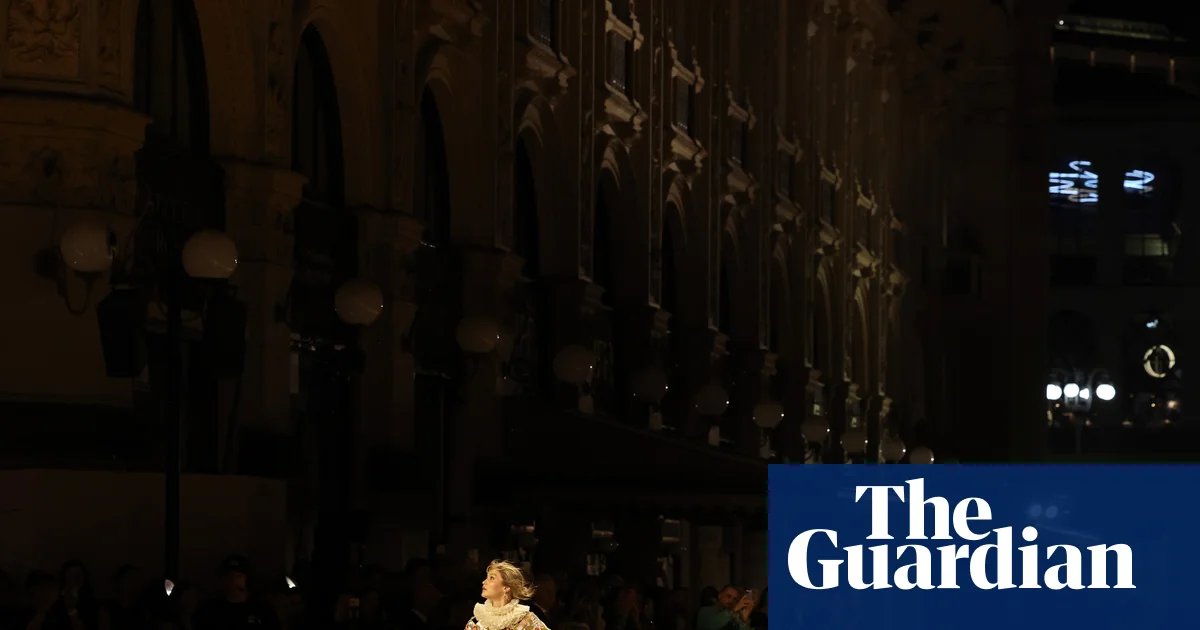
The landscape of modern marketing is witnessing an unprecedented convergence between the pharmaceutical industry and high-end cultural spectacles. During the fifth iteration of Vogue World, hosted in Milan, the American pharmaceutical giant Eli Lilly secured its position as a key sponsor. While the event featured high-profile celebrities and established fashion figures, the inclusion of a major manufacturer of weight-loss drugs—specifically the Mounjaro injection and the oral medication Foundayo—triggered significant industry discourse.
This partnership is not an isolated incident. Eli Lilly has previously aligned itself with major cultural moments, including the 2025 Vogue World in Hollywood and the annual Met Gala livestream. These collaborations represent a strategic shift, moving pharmaceutical visibility away from traditional medical journals and television commercials into the realm of lifestyle-focused, aspirational events. By associating with platforms like Vogue, the company is positioning its pharmacological developments within a global conversation centered on aesthetics and personal branding.
Understanding the Technology Behind GLP-1 Medications
The drugs in question, Mounjaro and Foundayo, belong to a class of treatments known as glucagon-like peptide-1 (GLP-1) receptor agonists. These medications mimic the physiological action of the GLP-1 hormone, which is naturally secreted in the gut in response to food intake. Mechanically, these agents regulate blood sugar levels by stimulating insulin secretion and suppressing glucagon release. Crucially for their weight-management application, they also act on the central nervous system to increase feelings of satiety and slow gastric emptying, thereby reducing appetite.
Technologically, the innovation lies in the delivery systems and molecular engineering that allow these compounds to remain stable and effective in the bloodstream for extended periods. As these treatments become more widespread, the threshold for their use has shifted from strictly managed diabetes care to a broader range of weight-management applications. This expansion has solidified the company’s market presence, with the manufacturer currently holding a significant portion of the global diabetes and weight-loss market, contributing to a trillion-dollar valuation.
The Intersection of Health and Aesthetic Norms
The collaboration between a pharmaceutical firm and a fashion publication has drawn criticism from academics and public health advocates. Psychologists, such as Professor Charlotte Markey of Rutgers University, argue that the sponsorship frames medical intervention as an essential component of an aspirational lifestyle. By integrating pharmaceutical branding into an industry already scrutinized for its narrow beauty standards, the partnership risks normalizing the idea that physical body modification through medication is a standard wellness choice rather than a medical intervention.
This concern is amplified by the current climate of the fashion industry, which has faced backlash regarding its approach to body inclusivity. Data from recent industry reports indicates that the vast majority of looks displayed on modern runways are presented on models within a limited size range. When pharmaceutical companies associated with weight loss sponsor platforms that predominantly feature a specific, thin body ideal, it creates a feedback loop that may exacerbate existing psychological pressures on consumers regarding their own physical appearance.
Promotional Strategies and the Narrative of Progress
The marketing materials surrounding these partnerships often utilize abstract, technology-focused narratives. A notable example is the video produced for the Milan event, titled “Portrait of Progress.” The content draws a direct parallel between the craft of fashion design and the history of pharmaceutical research. By framing both as “handmade” and “creative” processes, the video attempts to elevate medical advancement to the status of an artistic pursuit.
Observers note that while the video avoids explicit mentions of specific drugs or weight-loss outcomes, it establishes health as a fundamental prerequisite for creative expression. This rhetorical strategy effectively bridges the gap between clinical efficacy and lifestyle aspiration. By defining the pharmaceutical manufacturer as a provider of the “freedom to move and explore,” the branding campaign attempts to shift the public perception of weight-loss drugs from corrective tools for obesity to lifestyle-enhancing technologies.
Societal Impact and Future Considerations
The long-term implications of embedding pharmacological influence into cultural media remain a point of intense debate. For eating disorder charities and medical professionals, the visibility of these products in a high-fashion context is concerning due to the potential for misuse and the promotion of unrealistic body goals. There is a stated fear that, as these drugs become more ubiquitous, the societal stigma regarding body weight will be replaced by a demand for medical compliance to achieve a specific, often narrow, aesthetic standard.
Moving forward, the industry faces pressure to address the psychological and cultural consequences of these marketing alliances. While the pharmaceutical manufacturers maintain that their goal is to shift the dialogue toward health and reduce the stigma of obesity, the public reception remains divided. The tension between the medicalization of body weight and the fashion industry’s traditional emphasis on visual aesthetics suggests that the conversation regarding these technologies will continue to evolve. Stakeholders in both sectors are being encouraged to consider the broader impact of their partnerships, particularly concerning how they communicate the necessity and accessibility of medical weight management to the general public.
Disclaimer: This content is auto-generated for informational purposes only.
Source: Read Original News