






Monsoon Fury: 68 Dead as Torrential Rains Devastate North India and Nepal
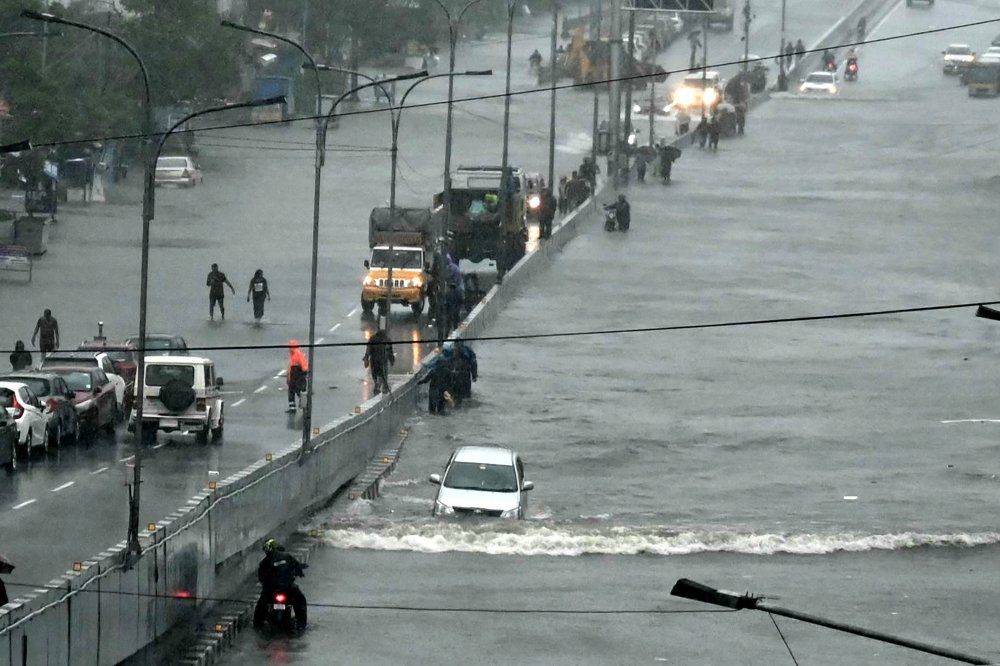
A massive weather system sweeping across the northern Indian subcontinent has left a trail of destruction, claiming at least 68 lives over the past three days. The relentless rainfall, which triggered flash floods and deadly landslides, has severely impacted communities in Uttar Pradesh and neighboring Nepal, forcing thousands to flee their homes.
The Crisis in Uttar Pradesh
The Indian state of Uttar Pradesh has borne the brunt of this natural catastrophe, recording 56 fatalities. According to reports from the State Relief Commissioner’s office, the region has been overwhelmed by an unprecedented surge in precipitation.
The crisis was precipitated by a barometric depression over the Bay of Bengal, which moved inland, gathering moisture and intensifying as it collided with northern atmospheric conditions. Meteorological data indicates that between Friday and Sunday, the state recorded a staggering 66.5 mm of rainfall, a figure vastly higher than the seasonal average of 7.6 mm for that timeframe.
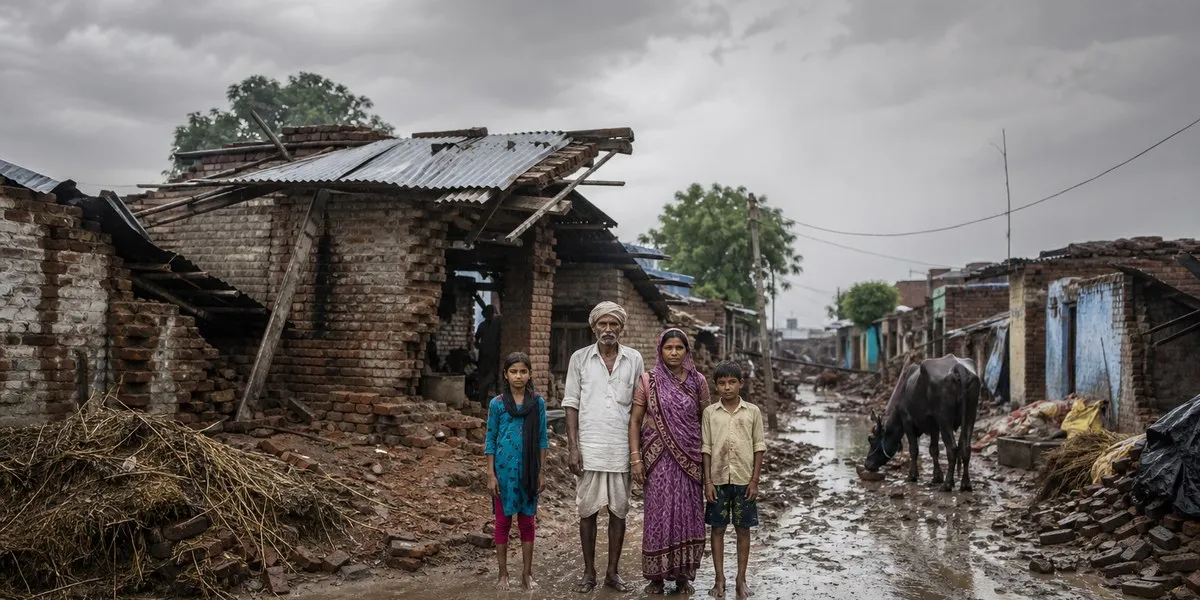
The impact of the deluge has been widespread, with over 1,000 homes reported as severely damaged. Beyond the immediate loss of life, the agrarian economy of the state—home to over 240 million people—is facing a significant setback. Farmers are voicing deep concerns regarding their crops, with many fearing that the sustained waterlogging will delay the critical upcoming sowing season, potentially impacting regional food security.
Regional Impact and Displacement
Across the border, Nepal is struggling to manage its own humanitarian crisis. Disaster management authorities confirmed that 12 people have lost their lives since Thursday, with at least seven others currently listed as missing. Shanti Mahat, a spokesperson for the local disaster response agency, noted that search and rescue efforts are ongoing, though difficult terrain and continuing rain are hampering progress.
This latest tragedy follows a particularly difficult year for the Himalayan nation, which suffered a major disaster in August when a massive glacial collapse occurred along the China-Nepal border. That event resulted in widespread loss, with authorities estimating over 1,400 fatalities at the time.
In India, the fallout is extending beyond Uttar Pradesh. In the eastern state of Odisha, rising river levels have prompted an urgent response from the administration. More than 70,000 residents living in low-lying, flood-prone areas have been evacuated to safety. The surging waters have also compromised critical infrastructure, damaging various bridges and culverts. As a safety precaution, officials have shuttered popular tourist destinations, including the Devkund site, to prevent further casualties among visitors.
A Lingering Monsoon Threat
While the monsoon season in India typically stretches from June through September, the intensity of these recent storms highlights the volatile nature of the tail end of the season. Authorities remain on high alert as they conduct relief operations, focusing on providing shelter and essential supplies to the thousands of displaced families. With meteorologists continuing to monitor atmospheric shifts, state governments are urging residents to remain vigilant against further landslides and the threat of rising floodwaters in the days ahead.
Disclaimer: This content is auto-generated for informational purposes only.
Source: Read Original News