









The rapid evolution of consumer technology continues to shift how we interact with digital media, hardware, and creative tools. Recent developments across the industry suggest a push toward specialized utility, whether it involves streamlining workflows with updated computer peripherals or enhancing personal entertainment through hardware innovation.
The Rise of Googlebooks and Hardware Integration
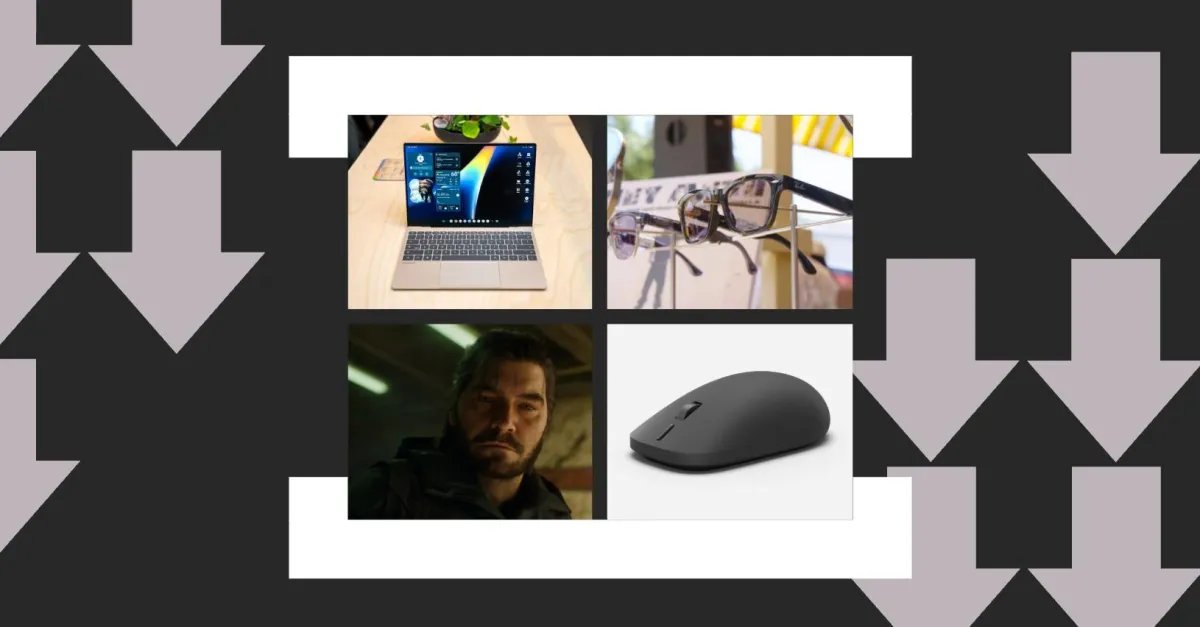
Google has finally disclosed significant technical specifications for its new Googlebook laptops, marking a notable expansion of its hardware ecosystem. Designed to function as an ideal companion for Android smartphones, these devices emphasize tight integration between mobile and desktop computing environments. A central promise from Google is a 10-year support cycle for updates, signaling a long-term strategy to ensure the platform remains stable and secure. The initial rollout features partnerships with major manufacturers including Acer, Asus, Dell, HP, and Lenovo, ensuring a diverse range of hardware configurations suited to different user requirements.
Innovations in Audio and Wearable Tech
Meta is expanding its footprint in wearable hardware with the launch of new audio-focused smart glasses. Unlike their predecessors, these models exclude cameras, focusing instead on high-fidelity audio output and advanced microphone arrays. These internal components allow for seamless interaction with AI interfaces and improved music playback. The extended battery life addresses one of the primary constraints of current smart wearable devices, while the introduction of the Clubmaster style caters to users seeking a more traditional aesthetic. This trajectory suggests a shift toward integrating technology into daily attire without the privacy concerns or bulk associated with visual capture devices.
Productivity and Peripherals: The Modern Desktop
Microsoft has refreshed its Surface lineup, including a second-generation Surface Mouse that introduces hardware-level improvements for professional tasks. The new mouse features haptic feedback, a programmable action button, and the capability to pair with up to three distinct devices simultaneously. These features are designed to bridge the gap between different computing setups, making the peripheral a versatile tool for power users who frequently switch between workstations. Alongside the mouse, the refreshed Surface Pro and Surface Laptop models with updated internal architecture demonstrate Microsoft’s ongoing refinement of its mobile computing hardware.
Advancements in Digital Recording
Logitech G has introduced the Yeti 2, the latest iteration of its iconic microphone series. Moving beyond the standard design of its predecessor, the Yeti 2 incorporates an integrated LED display that provides real-time feedback on input levels. A key technical feature is the new audio proximity sensor, which automatically tracks the user’s voice to optimize gain levels. This innovation is specifically aimed at streamers, podcasters, and content creators who require consistent audio quality with minimal manual adjustment, reflecting the growing demand for professional-grade audio tools in home office setups.
Trends in Gaming and Home Entertainment
The gaming landscape is also seeing a shift toward accessible yet feature-rich experiences. Peloton has entered the space of folding fitness equipment with the Tread Flex, a treadmill designed specifically for smaller living environments. This compact design allows users to save space without sacrificing the digital features of the broader Peloton ecosystem.
In the realm of software and media, titles like Remedy’s Control Resonant and Silent Hill: Townfall demonstrate how developers are iterating on established franchises to provide new narrative depths. Furthermore, the popularity of niche software like NostalgiaTV, which emulates traditional broadcast experiences from local media libraries, highlights a consumer interest in creating structured, curated environments for entertainment consumption in an age of infinite digital choice.
The Human Element in Technology Adoption
Technological preference is increasingly personal, as evidenced by the varied setups of professionals in the field. From the use of specialized, long-form idle games to the ritualistic appreciation of vinyl records and film photography, users are finding ways to balance digital efficiency with tangible, tactile experiences. Whether it is through the integration of AI-enabled audio glasses or the pursuit of high-performance gaming hardware, the overarching theme is the pursuit of technology that adds clarity and functionality to the modern day. As the industry advances, the focus appears to be moving toward devices that disappear into the background of one’s life, allowing the user to focus on the task or experience at hand.
Disclaimer: This content is auto-generated for informational purposes only.
Source: Read Original News