






The Convergence of Horror and Battle Royale Architecture
Epic Games has officially confirmed the integration of the Five Nights at Freddy’s (FNAF) franchise into the Fortnite ecosystem as part of the highly anticipated 2026 Fortnitemares event. This collaboration marks a significant expansion of Fortnite’s “metaverse” strategy, blending survival-horror mechanics with the established high-velocity competitive gameplay of the Battle Royale genre. The update, scheduled to launch on October 1st, introduces Freddy Fazbear’s Pizzeria as a permanent point of interest on the island, fundamentally altering the tactical landscape of the map.
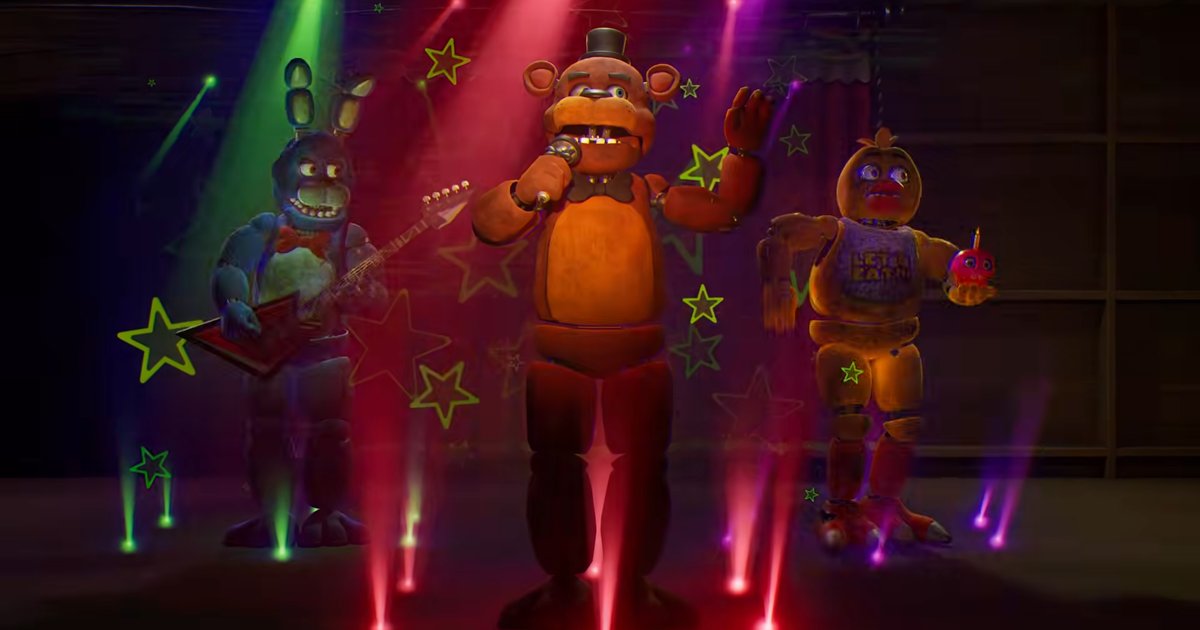
Technically, this integration represents a complex asset migration, bringing iconic characters—Freddy, Bonnie, Chica, and Foxy—into the Unreal Engine-powered framework of Fortnite. The development team has utilized the existing character rigging systems to translate these animatronic models into functional boss encounters. These entities are not merely static decorations; they operate as autonomous combatants programmed with specific threat patterns that require players to adapt their strategies beyond standard gunplay.
Technical Mechanics of the Fazbear Boss Encounters
The implementation of the Fazbear Band as boss characters introduces new artificial intelligence behaviors to the Fortnite environment. Unlike standard non-player characters (NPCs) that typically occupy the map, these animatronics possess movement logic inspired by the original FNAF series. Players will need to monitor their surroundings using updated map features that incorporate security camera surveillance logic. This adds a layer of information management to the Battle Royale experience, requiring players to toggle between traditional third-person perspective and static monitoring nodes to track the movement of the bosses.
Combat encounters with these characters are designed to be high-stakes, multi-phase engagements. Each animatronic features distinct health pools and vulnerability windows, mimicking the “survive the night” objective of the source material. By integrating these horror elements into the game’s core mechanics, Epic Games is testing the elasticity of its combat engine, demonstrating that the platform can handle complex, scripted boss encounters alongside standard competitive player-versus-player interactions.
Structural Impact on Map Dynamics
The introduction of the Pizzeria structure introduces a new localized playstyle to the island. Located strategically to draw significant player density, the interior layout of the establishment is designed with tight corridors and verticality that favors close-quarters engagement. From a level design perspective, this structure functions as an enclosed arena, contrasting with the sprawling, open-world topography of the rest of the map.
This structural shift forces players to rethink loadout prioritization. In an area dominated by animatronic threats and narrow sightlines, the effectiveness of long-range weaponry is diminished, favoring shotguns and rapid-fire equipment. The presence of these AI threats throughout the mid-game also changes the risk-reward ratio of looting high-tier caches within the Pizzeria, effectively creating a “boss-gated” zone that encourages team coordination over individual play.
The Evolution of Event-Driven Content Cycles
The arrival of the FNAF crossover is the culmination of a deliberate content strategy employed by Epic Games over the last fiscal year. By embedding subtle hints, such as security camera glitches and narrative audio logs, the developers have utilized a “slow-burn” teaser campaign to build anticipation within the user base. This technique serves to sustain player retention throughout the off-season, leveraging the community’s curiosity to generate interest across social platforms and third-party media.
This approach highlights the sophistication of modern live-service maintenance. Rather than releasing static updates, the development team treats the island as a living narrative space. By leaking components of the update—such as the phased construction of the Pizzeria during the previous season—Epic Games maintains a continuous stream of engagement. The legal resolution regarding information security, which resulted in a permanent injunction against the disclosure of confidential trade secrets, has arguably allowed the developer to regain better control over the reveal cadence, ensuring that major releases maintain their intended impact.
Strategic Implications for Cross-IP Collaborations
From an industry perspective, the Fortnite-FNAF partnership serves as a case study in effective intellectual property integration. By importing highly recognizable, non-native game mechanics into an established engine, Epic Games creates a unique value proposition that appeals to both the existing Fortnite demographic and the dedicated fanbase of the horror series. This strategy mitigates the risk of player fatigue by constantly refreshing the core loop with novel, high-intensity challenges.
Furthermore, the scale of this crossover suggests that the technical infrastructure of Fortnite is becoming increasingly modular. The ability to pull in diverse assets and integrate them with the platform’s existing networking and physics systems demonstrates the flexibility of the current technology stack. As Epic continues to scale these collaborations, the barrier between disparate gaming experiences continues to dissolve, positioning Fortnite less as a singular game and more as a foundational platform for cross-media content delivery. The October 1st launch of Fortnitemares serves as a benchmark for how effectively these legacy properties can be transformed into active, participant-driven experiences within a competitive multiplayer landscape.
Disclaimer: This content is auto-generated for informational purposes only.
Source: Read Original News