





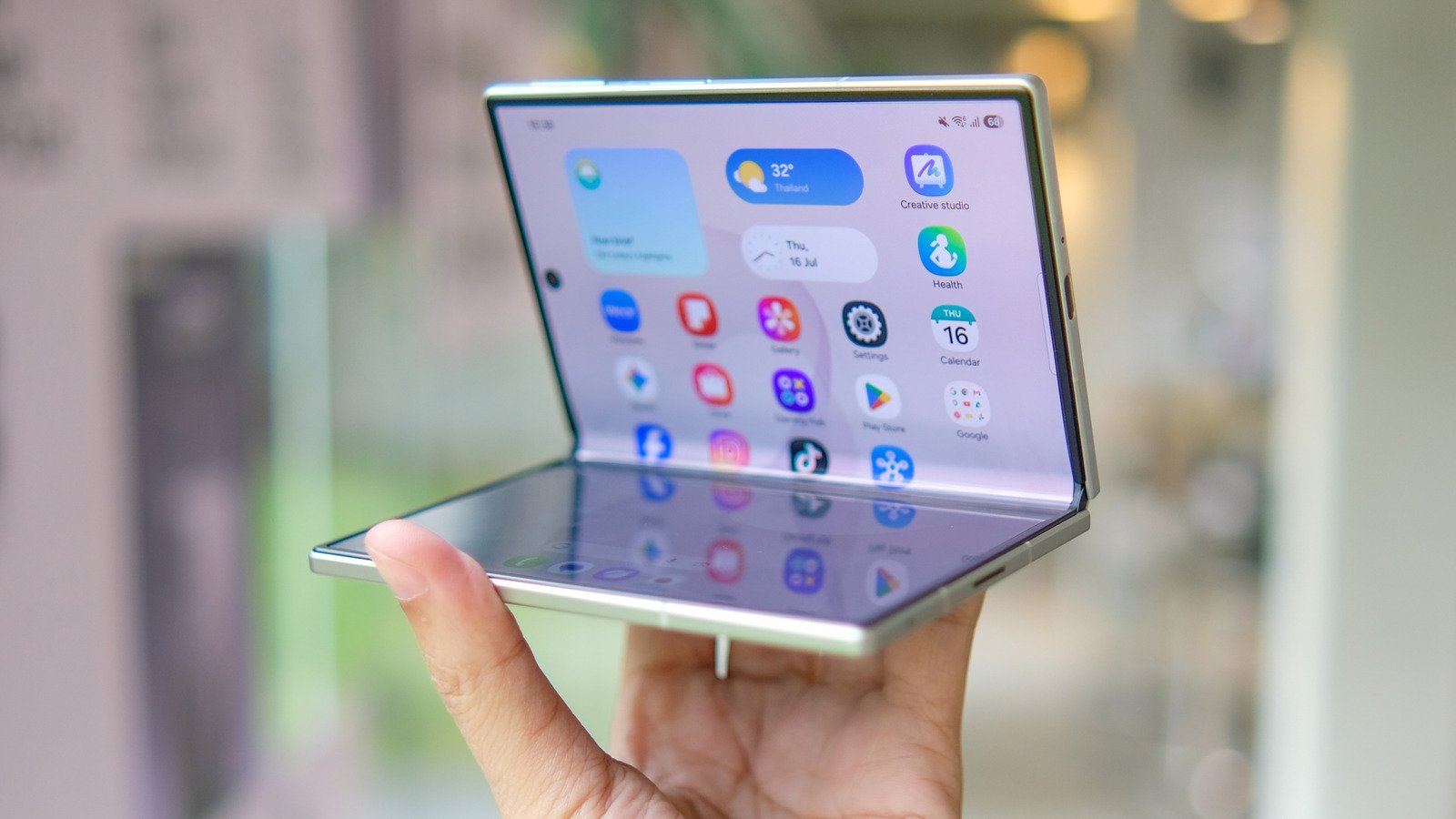
Foldable smartphones represent a significant shift in mobile hardware engineering. Major manufacturers including Samsung, Google, and Apple have introduced various iterations of these devices, moving the concept from niche experimental prototypes to legitimate consumer offerings. While they currently occupy a small segment of the global smartphone market—approximately 2 percent—the rate of adoption continues to climb as users weigh the high cost of entry against the distinct functional advantages these form factors provide.
The Core Advantages of Foldable Hardware
The primary appeal of foldable technology lies in the convergence of portability and expanded screen real estate. When folded, these devices maintain a footprint comparable to traditional smartphones, allowing them to fit into standard pockets. When unfolded, however, the internal display expands to upwards of 8 inches, effectively providing tablet-like dimensions. This is a substantial benefit for users who prioritize media consumption, document review, or digital reading.
Beyond screen size, the mechanical design introduces unique flexibility. Most modern foldables are engineered to support multiple operating positions. For instance, partial folding allows the device to stand independently, acting as a built-in tripod for video calls or photography. This capability eliminates the need for external accessories to prop up the phone. Furthermore, manufacturers have invested heavily in software integration, refining operating systems to handle seamless transitions between the external cover display and the primary inner screen. This multitasking environment supports running multiple applications concurrently, allowing for side-by-side workflows that are impossible on standard handsets.
Mechanical and Durability Considerations
Despite the rapid evolution of the category, the engineering of folding screens presents inherent vulnerabilities. The primary concern for most users involves long-term structural integrity. The reliance on a complex hinge mechanism means that these devices contain more moving parts than static smartphones. Consequently, ingress protection remains a critical factor; while manufacturers have improved resistance to water, fine particulate matter such as dust or sand still poses a threat to the internal mechanics.
The displays themselves often utilize ultra-thin glass or specialized polymer layers to achieve the necessary flexibility. These materials, while robust, generally exhibit lower resistance to surface-level scratches compared to the traditional tempered glass found on high-end, non-folding handsets. Users may also notice a physical crease where the screen bends. While significant improvements have been made in recent generations to minimize this indentation, it remains a visible characteristic of the current technology and can influence the tactile feedback during screen navigation.
Constraints in Hardware Performance
The physical constraints imposed by a foldable chassis frequently result in technical trade-offs. To maintain a manageable thickness and weight, manufacturers must carefully allocate space within the device. These internal space constraints often limit the size and complexity of camera modules. Consequently, it is common to find that even the most expensive foldables feature imaging hardware that, while capable, lags slightly behind the high-end sensors and advanced optical zoom capabilities found in flagship, rigid-screen smartphones.
Weight is another byproduct of the design. Most devices in this category exceed 200 grams, a weight that is necessary to accommodate the larger battery capacity required to power the expansive dual-display systems. While this weight provides a dense, premium feel, it can cause physical fatigue during extended periods of one-handed use.
Software Optimization and Ecosystem Maturity
The success of a foldable device is ultimately tied to how well the software adapts to the hardware. While major productivity platforms have optimized their layouts to utilize the expanded screen area, third-party support remains inconsistent. Certain applications may struggle to scale correctly when moving from the cover display to the primary screen, sometimes resulting in distorted aspect ratios or crashes.
For users who rely on specialized professional software, verifying compatibility is a mandatory step before purchase. While the ecosystem is maturing as developers update their apps to support dynamic layouts and multi-window configurations, gaps in optimization persist. Users are encouraged to research the specific app ecosystem they depend on to ensure that their mission-critical tools are fully compatible with foldable-specific display modes.
Repairability and Long-Term Ownership
Repair costs are a significant factor in the total cost of ownership. Due to the complexity of the integrated hardware, authorized repairs for internal screens or faulty hinges often carry a significant price tag. Independent repairability remains limited, and industry analysts often categorize these devices as more difficult to service compared to modular, traditional smartphones. Because the device contains highly specialized components, insurance or extended warranty coverage is often considered a standard requirement rather than an optional add-on for the average user.
Deciding to invest in a foldable phone requires a realistic assessment of individual priorities. If the daily workflow requires an expansive screen for multitasking and the user is prepared for the necessary maintenance and insurance costs, the current generation of foldable devices is sufficiently stable to serve as a daily driver. Conversely, if high-end camera performance, absolute durability in rugged environments, or a lower entry price point are the primary requirements, traditional slab-style smartphones remain the more pragmatic choice. The technology continues to close the gap between promise and performance, but it remains a segment where the user must be willing to embrace specific trade-offs for the sake of unique form factor benefits.
Disclaimer: This content is auto-generated for informational purposes only.
Source: Read Original News