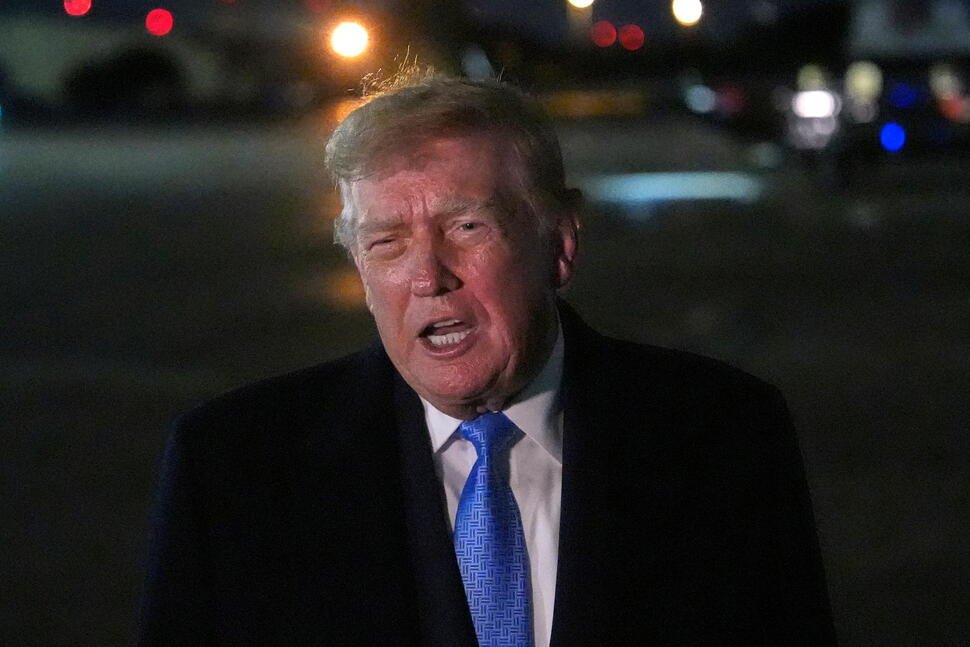








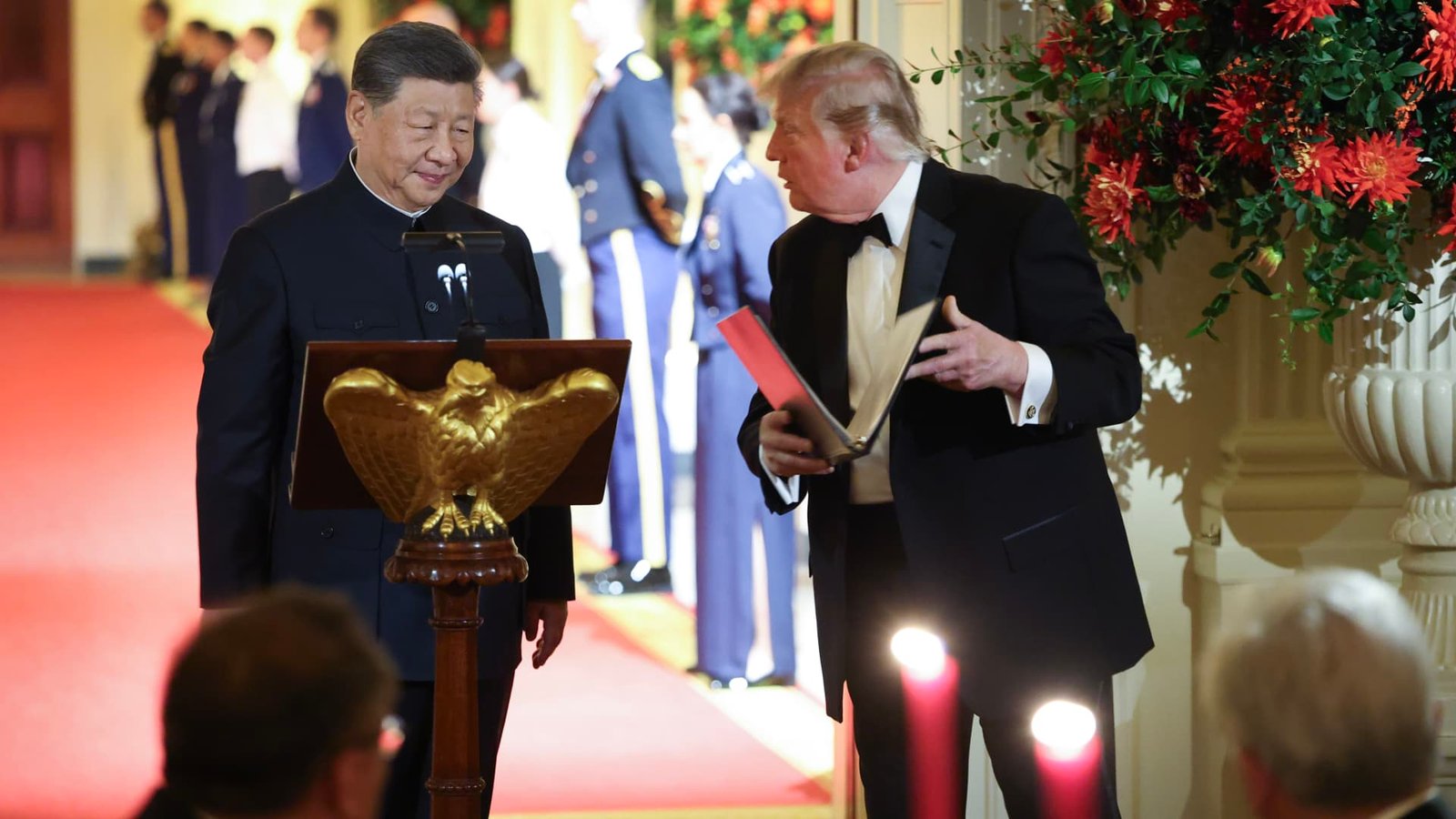
The recent Washington summit between President Donald Trump and Chinese President Xi Jinping was characterized by a grand display of diplomatic theater, yet behind the red-carpet pageantry, substantive breakthroughs remained elusive. While the leaders shared toasts and nostalgic references to World War II, analysts argue that the lack of a joint statement and the reliance on separate, competing readouts underscores a deepening, systemic rivalry between the world’s two largest economies.
The AI Frontier and Technical Divergence
A significant portion of the diplomatic discourse centered on the rapidly evolving technology landscape. Both nations agreed to establish a dedicated communication channel to manage potential artificial intelligence incidents, with formal dialogues slated for the coming two months. However, the linguistic framing of these talks highlighted the underlying friction: the U.S. government explicitly focused its agenda on “Super Intelligence,” while Beijing remained anchored to the more conventional terminology of “AI.”
This discrepancy is more than just semantics. Industry observers suggest that the refusal to use shared terminology reflects a fundamental clash over technical supremacy. As the U.S. and China race to establish global standards for machine learning and autonomous systems, the tech industry is bracing for a period of fragmented regulations. For major firms, the uncertainty surrounding how these two powers will define, control, and secure advanced computing architectures remains a top-tier operational risk.
Trade Truces and Economic Uncertainty
Economic outcomes from the summit were similarly modest. The two nations reached a “fragile detente,” which includes a limited trade truce extension and an agreement to reduce tariffs on $30 billion worth of cross-border goods. This includes commitments for China to import at least 10 million metric tons of U.S. coal annually and the establishment of a working group for agricultural trade.
Despite these figures, trade experts are questioning the sustainability of the agreement. By opting for separate official summaries rather than a cohesive joint statement, the two powers signaled that their strategic goals remain largely misaligned. For global businesses, the “tentative” nature of these deliverables creates a difficult planning environment. With investment and trade policies currently being hashed out through reactive working groups rather than long-term, binding frameworks, corporate stakeholders are maintaining a posture of extreme caution.
Diplomacy Amidst Geopolitical Volatility
The summit’s backdrop was heavily colored by regional anxieties, particularly concerning Japan and Taiwan. While the U.S. and China found common ground on issues like limiting Iran’s nuclear capabilities and ensuring the freedom of international waterways, the silence on the Taiwan issue in both official readouts was deafening. This omission suggests that the two leaders chose to bypass the most incendiary points of contention to prioritize the appearance of stability ahead of upcoming summits in Shenzhen and Miami.
The symbolic gestures—such as the arrival of giant pandas at Zoo Atlanta and the invocation of the wartime “Flying Tigers” alliance—served to humanize the meeting, but they failed to mask the strategic hardening of both administrations. As the two sides transition into a period of follow-up dialogues, the burden of proof has shifted to the implementation phase. Whether this summit marks the beginning of a genuine cooling-off period or merely a temporary pause in a wider struggle for hegemony remains the central question for policymakers and global investors alike. With little progress on fundamental structural issues, the fragile nature of the current U.S.-China relationship appears unlikely to stabilize in the near term.
Disclaimer: This content is auto-generated for informational purposes only.
Source: Read Original News