







AICHI-NAGOYA — The reverberations of disappointment are echoing through the Indian shooting camp as the 2026 Asian Games move toward their climax. For Manu Bhaker, the prodigal talent who became a household name following her historic double-bronze performance at the Paris Olympics, the Aichi-Nagoya Games have proven to be an uncharacteristic drought. After competing in four distinct events, the 24-year-old sharpshooter is returning home empty-handed, leaving fans and analysts to grapple with a result that starkly contrasts with the sky-high expectations surrounding her arrival in Japan.
The narrative of this campaign is one of “what might have been.” Bhaker, whose recent form suggested she was operating at the peak of her powers, was expected to anchor India’s medal charge. Instead, her exit marks a sobering chapter in a broader story of a shooting contingent struggling to recapture the lightning-in-a-bottle success witnessed at the 2023 Hangzhou Asian Games.
A Campaign Defined by Near-Misses
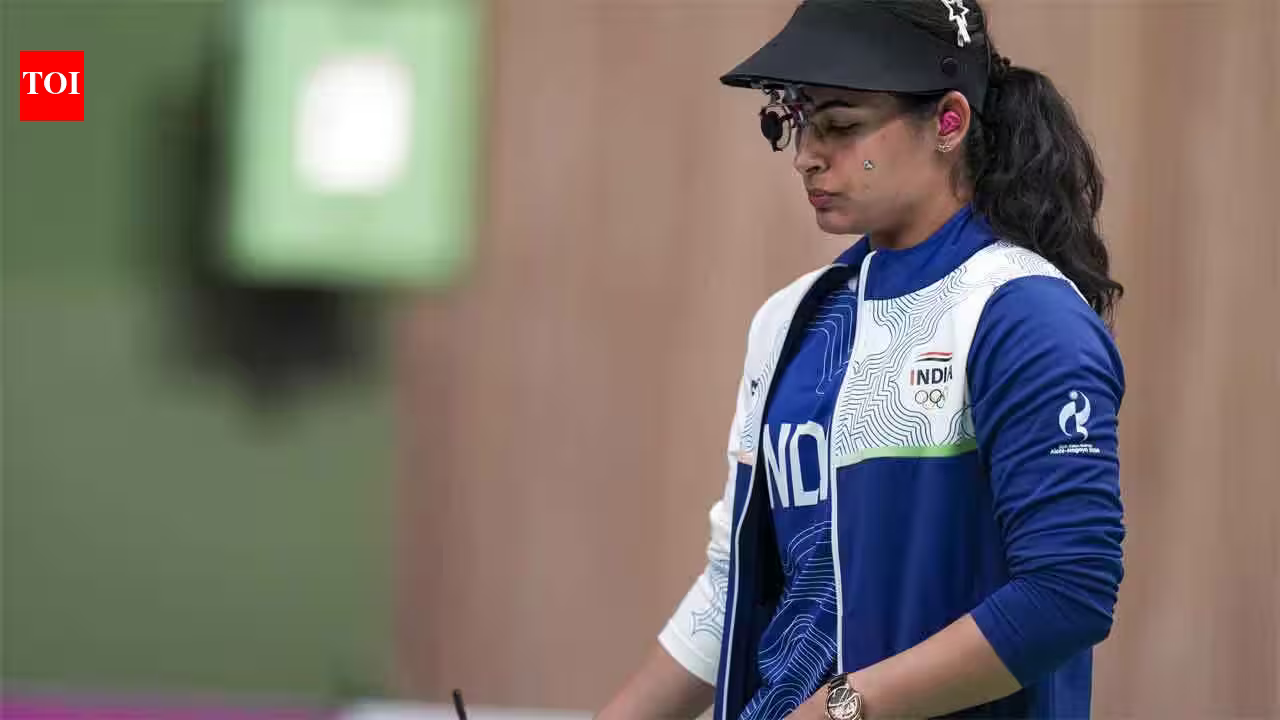
Bhaker’s journey in Aichi-Nagoya began with the women’s 10m air pistol events, a discipline where she has historically thrived. She navigated the qualification round with composure, posting a solid 579 to enter the final in third place. However, the final proved to be a different battle altogether; despite her technical precision, she faltered under pressure, finishing in fifth place with a score of 181.1. The heartbreak was compounded when the Indian team narrowly missed the podium in the corresponding team event, signaling that the margins between glory and frustration were thinner than ever.
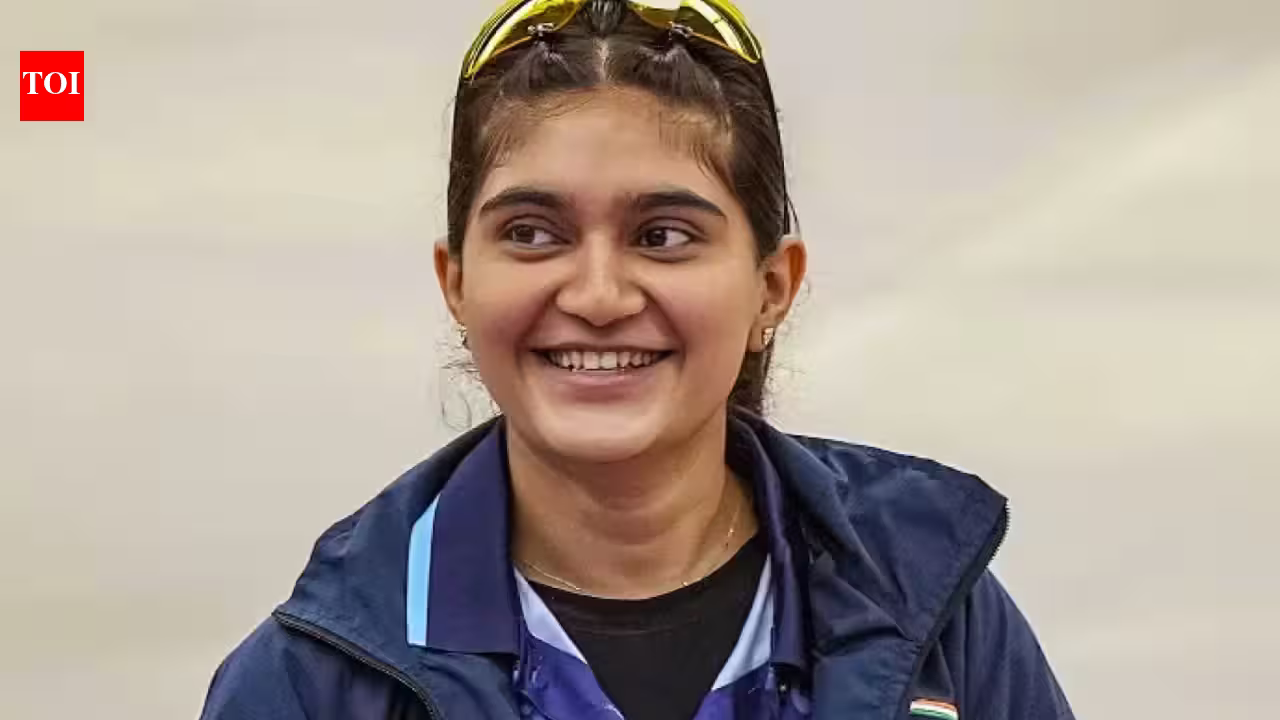
The pressure mounted as the focus shifted to the 25m pistol events. If the 10m air pistol was a missed opportunity, the 25m event proved to be a roadblock. Bhaker failed to qualify for the individual final, recording a score of 579-18x to finish 11th. The final blow came on Monday during the 25m pistol team event, where India finished fifth. While teammates Esha Singh and Rahi Sarnobat fought valiantly, the trio’s combined score of 1727-56x was ultimately outclassed by the clinical consistency of China, South Korea, and Chinese Taipei.
A Statistical Shift in Performance
While the individual results for Bhaker make for somber reading, they also highlight a larger trend regarding the Indian shooting team’s overall output. At the 2023 Hangzhou Games, India enjoyed a golden era, racking up a massive 22-medal haul, including seven gold medals. As of this writing in Aichi-Nagoya, the contingent has secured 12 medals, but only one is of the gold variety. With only five trap medal events remaining on the schedule, the gap between the current tally and the record-breaking heights of the previous cycle appears insurmountable.
The discrepancy has not gone unnoticed by those closest to the sport. Ram Kishan Bhaker, Manu’s father, provided a candid assessment of his daughter’s performance, noting that she has become a victim of the very high standards she set for herself. “Manu’s performance was not as per her standard because she set a very high standard and expectation for the Indian fans,” he remarked. “As per my expectations, her score must be more than 585; it should be between 585 and 595. Today’s score was not enough.”
Questions of Technical Integrity
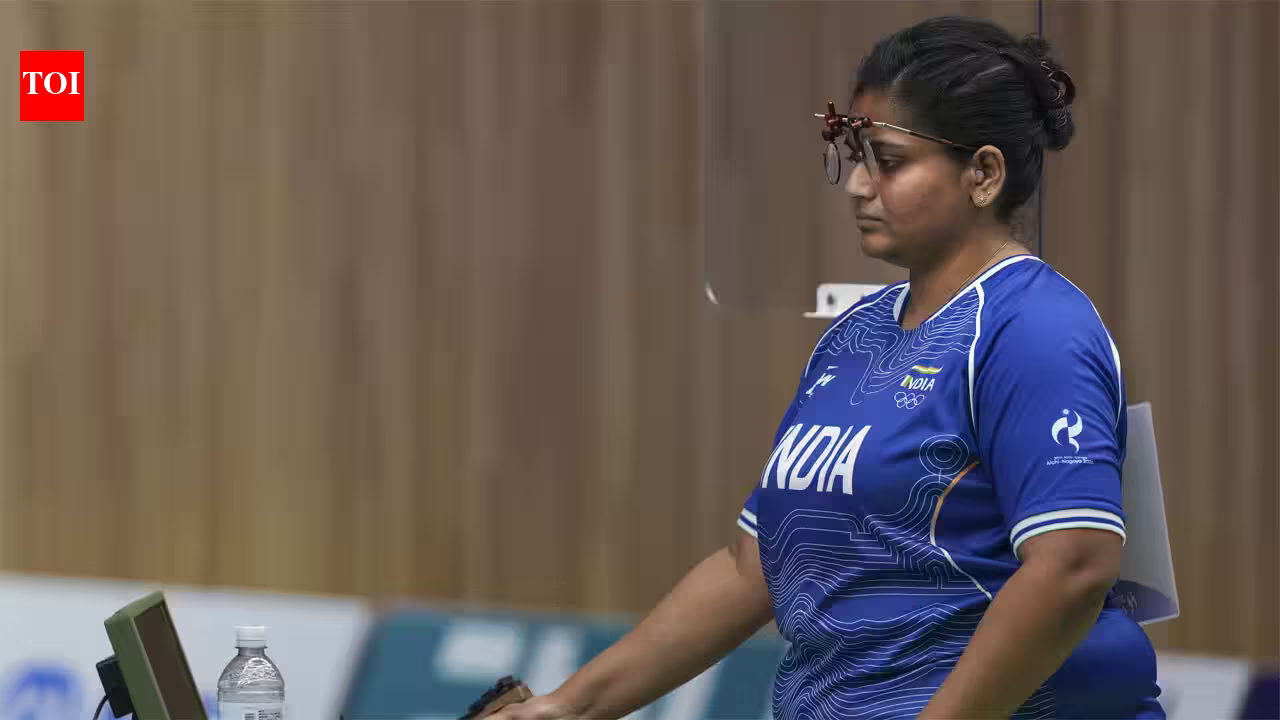
Beyond individual form, the campaign has been marred by controversy regarding equipment and officiating. The 25m pistol team event, in particular, was overshadowed by an inexplicable zero-point shot recorded by the experienced Rahi Sarnobat.
The incident sparked immediate debate within the shooting fraternity. “Rahi was shooting very well, but suddenly one shot was not showing, which I believe may be the technical glitch or something else,” Ram Kishan Bhaker noted. While tournament juries subsequently ruled that the shot landed outside the target, the explanation has failed to satisfy many who observed the session. For a veteran like Sarnobat to experience such a deviation suggests either a momentary lapse or a genuine equipment failure, but the lack of a definitive, transparent investigation has left a sour taste for the Indian camp.
Looking Toward the Horizon
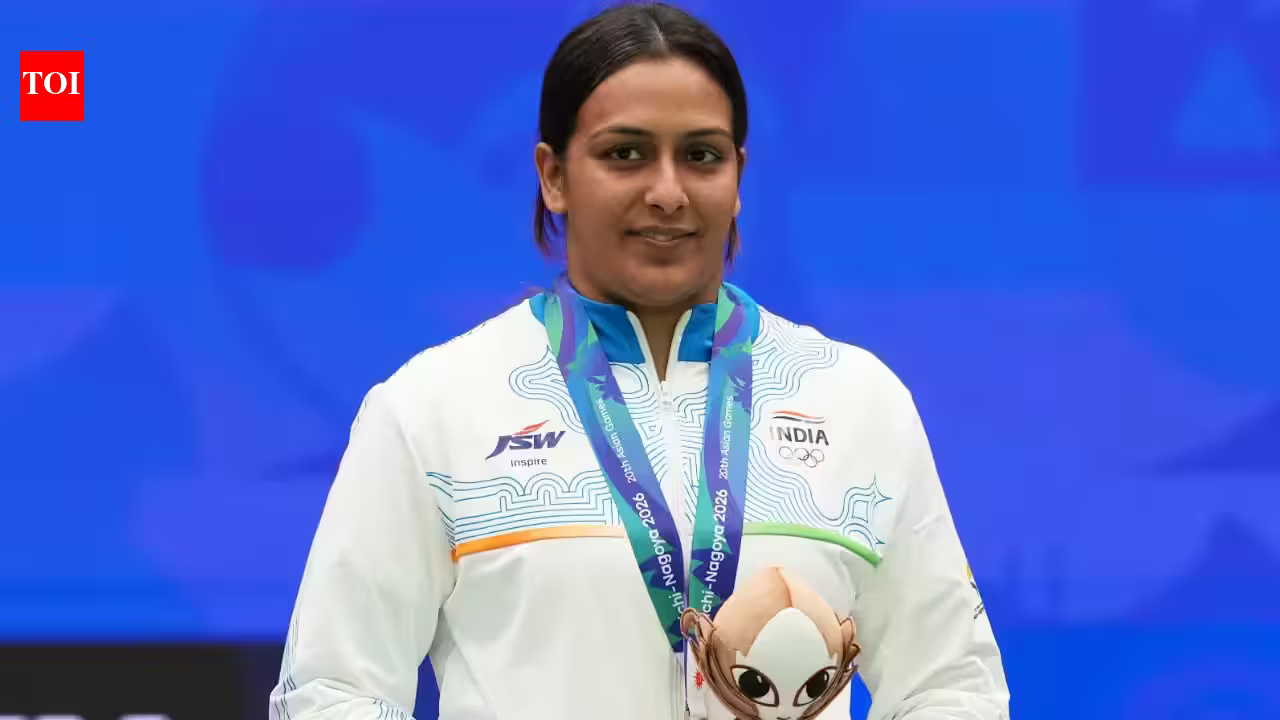
Despite the headlines being dominated by Bhaker’s struggles, the silver lining of the week was undoubtedly the individual performance of Esha Singh. Her silver medal in the 25m pistol final, achieved after a grueling series of shoot-offs, served as a reminder that the depth of Indian talent remains significant. Singh’s resilience during that final was a masterclass in mental fortitude, providing a much-needed morale boost to the team.
As the curtain prepares to fall on the shooting events in Aichi-Nagoya, the focus now turns to the trap shooters. With five events left, the Indian contingent has one final chance to pad their medal tally and alter the narrative of a campaign that began with visions of dominance but settled into a fight for consistency. For Manu Bhaker, this serves as a brief hiatus from a sport that demands perfection; she will undoubtedly return to the range, as champions do, to refine the focus that carried her to the Olympic podium. For now, however, the Asian Games remain a stark reminder that in the world of high-stakes shooting, the distance between a medal and an early exit is often just a fraction of a millimeter.
Disclaimer: This content is auto-generated for informational purposes only.
Source: Read Original News