



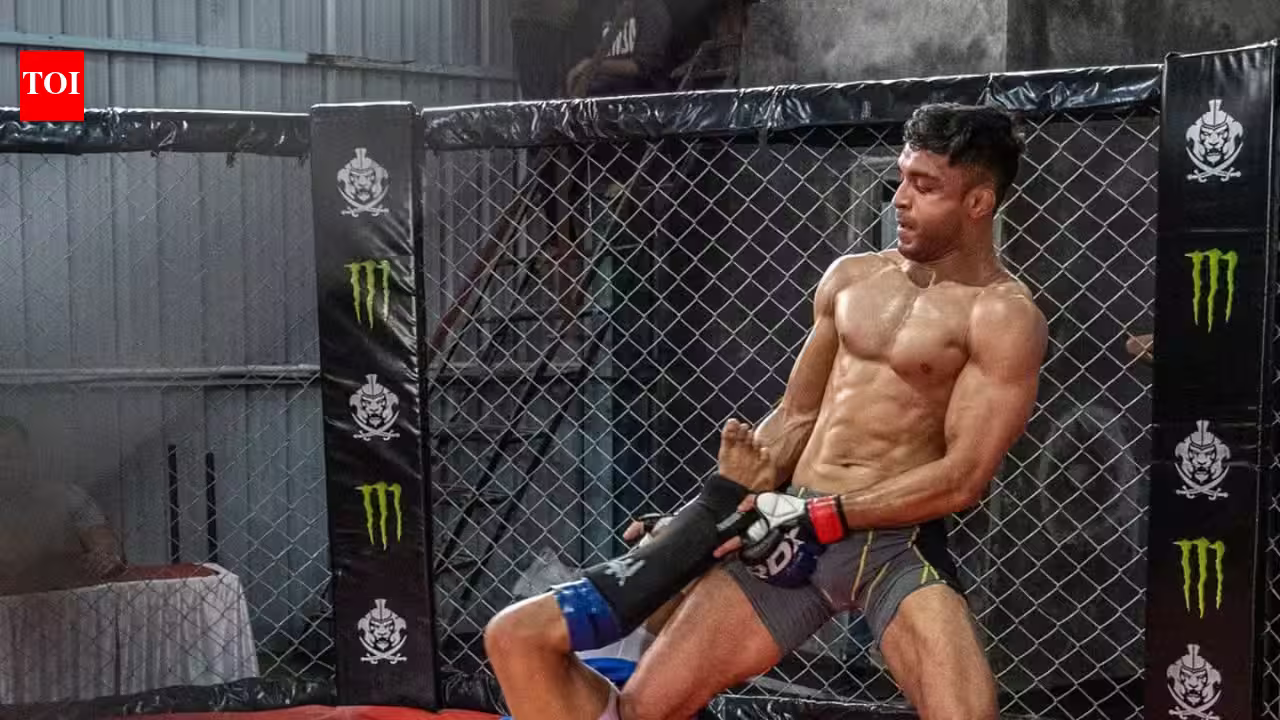
NAGOYA: The journey from London to the Aichi-Nagoya 2026 Asian Games was intended to be the crowning achievement of Varun Sanyal’s professional career. Instead, it became an odyssey of logistical nightmares, bureaucratic hurdles, and a harrowing physical collapse that saw him sidelined before his first bout ever began. Yet, as the 26-year-old reflects on the chaos from his home in London, he refuses to dwell on his personal misfortune. For Sanyal, the true narrative of these Games is not his own heartbreak, but the historic breakthrough of Indian Mixed Martial Arts (MMA) on the continental stage.
A Fighter Who Almost Wasn’t There
Sanyal’s path to Nagoya was defined by uncertainty. Already established as one of Asia’s top-six ranked fighters, his inclusion in the Indian squad was only solidified two weeks prior to the Games following the disqualification of a teammate under stringent Sports Ministry criteria. The 14-day lead-up was a whirlwind of adversity: managing recovery from a stubborn staph infection, coordinating a professional training camp in England, and navigating the complexities of international travel documentation.
The Delhi-born fighter arrived in Japan battle-hardened by four years of high-level competition, boasting a resume of 17 bouts across various circuits. However, the professionalism he encountered on the regional MMA circuit had not prepared him for the chaotic realities of a multisport event debut. Upon landing in Nagoya, his name was absent from the official registration list, triggering a grueling 12-hour ordeal that saw him shuffled between officials at the Expo Hall and the cruise ship serving as the official Athletes’ Village, a crisis resolved only through the eleventh-hour intervention of the Indian Olympic Association (IOA).
The Games Before the Games
The logistical failures in Aichi-Nagoya became a defining backdrop for the debut of MMA, and Sanyal found himself at the epicenter. With the Indian MMA contingent traveling without accredited coaches, the athletes were forced to function as their own support staff. Sanyal, despite the mounting pressure of his own competition, spent his time in the village acting as a manager, translator, and kit coordinator.
He was tasked with navigating complex anti-doping protocols for teammate Suchika Tara Devi and scouring the cruise ship for basic amenities. These were not the typical responsibilities of an elite athlete, but in the nascent world of Indian Olympic MMA, there was no other choice. It was a baptism by fire that underscored the stark lack of institutional support compared to more established disciplines.
30 Minutes of Chaos
The most harrowing moment arrived during the weight-cut process for the 77kg category. Sanyal, who typically walks around at 80kg, was attempting to shed his final two kilograms to reach the competition limit. Inside the sauna, surrounded by fighters from across Asia, the routine nature of the cut took a turn for the worse as severe dehydration set in.
“I just remember that I finally hit the 30-minute mark and I stood up,” Sanyal recounted. “When you’re dehydrated, you start seeing black, like you’re starry-eyed. I was completely out of it. I push the door to the sauna, and then there’s this tiny bench, which I just flat out start lying down on, and I’m hyperventilating.”
His situation escalated quickly. When he began to lose consciousness, a Nepali athlete intervened, bringing in a coach to communicate with Japanese medical staff via a translation app. Despite the severity of his condition, Sanyal’s internal drive was so singular that he reportedly argued against receiving medical intervention, fearing that fluids would compromise his weight-in targets. Eventually, medical necessity prevailed, and he was treated for extreme dehydration and overheating. The medical directive to rehydrate effectively ended his tournament before he could step onto the mat.
The Medal That Changed the Narrative
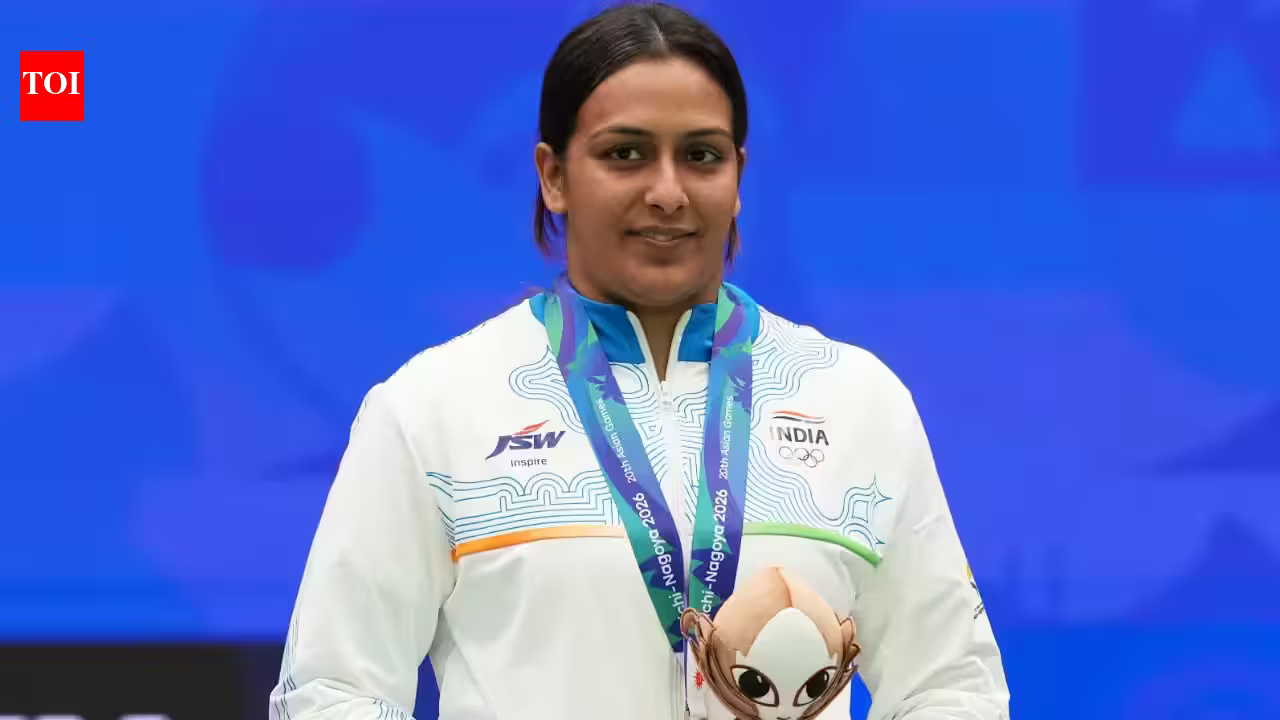
Despite the individual failure to compete, the Indian MMA story in Nagoya was rescued by the resilience of the rest of the team, most notably Suchika Tara Devi, who secured a historic bronze medal. It was a result that signaled a seismic shift for a sport that has historically thrived on the fringes of India’s sporting landscape.
For Sanyal, seeing the Indian flag raised for MMA provided the necessary context to process his own frustration. “We still came away with a medal despite everything going on, which I think is huge,” Sanyal noted. “The federation that sent us has only been in existence for just a little over a year or so. The biggest takeaway is that the federation and the athletes have shown that MMA fighters can produce results. Now, I would like the government, the corporate sponsors, and the audience to get behind the MMA fighters.”
While the media attention surrounding the accommodation crisis and his collapse was not the spotlight Sanyal had envisioned for his sport, he acknowledges its utility in forcing a national conversation. By exposing the deficiencies in how the sport was being treated at the highest level, the controversy inadvertently brought a level of visibility that was previously unthinkable.
Sanyal may have departed Nagoya without a fight, but he leaves behind a burgeoning momentum. He views his own ordeal not as a wasted journey, but as a sacrifice on the altar of the sport’s legitimacy. As MMA looks toward future Games, the path for Indian fighters will undoubtedly be smoother, paved by the lessons learned—and the battles fought—in the corridors and saunas of Nagoya.
Disclaimer: This content is auto-generated for informational purposes only.
Source: Read Original News