








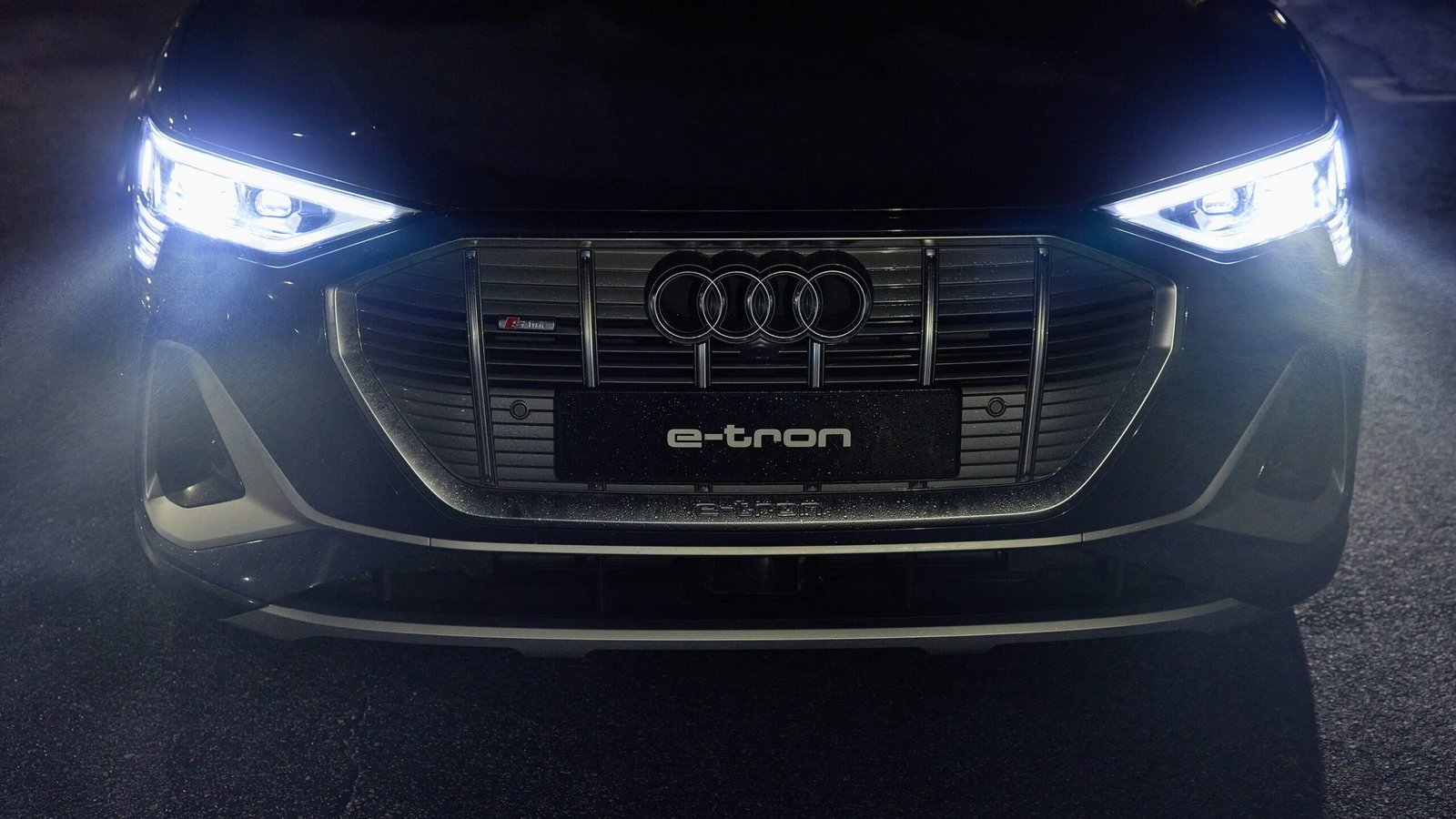
The persistent danger of nighttime driving remains one of the most critical safety gaps in modern automotive engineering. Federal traffic data consistently highlights a stark disparity: while only 25 percent of all vehicle miles are traveled after sunset, nearly 50 percent of traffic fatalities occur during these low-light conditions. This statistical imbalance has driven a surge in innovation within automotive lighting technology. The latest advancements, ranging from adaptive high-beam systems to high-resolution matrix LED arrays, are finally moving beyond simple illumination to become sophisticated digital tools that actively reshape how drivers perceive the road.
The Mechanics of Modern Adaptive Lighting
Traditional headlights function on a binary basis: low beams for city driving and high beams for open, dark roads. This manual switching creates a persistent safety issue where drivers either struggle with limited visibility or inadvertently blind oncoming traffic. Contemporary lighting solutions, specifically Adaptive Driving Beam (ADB) technology, eliminate this trade-off.
ADB systems utilize an array of high-intensity LEDs, often numbering in the dozens or hundreds per headlight, controlled by a front-facing camera and a specialized electronic control unit (ECU). The camera identifies the spatial coordinates of other road users, including vehicles, cyclists, and pedestrians. The ECU then instructs the light array to dim or extinguish specific segments of the beam that would otherwise cause glare for those detected entities. This allows the driver to maintain full high-beam illumination across the rest of the dark road without the necessity of manual toggling. The result is a seamless, constant projection of light that maximizes the distance at which hazards can be identified.
Precision Through Digital Micromirror Devices
The next evolution in this space involves the integration of Digital Micromirror Device (DMD) technology, a system originally refined for high-end digital projectors. In an automotive context, these headlights contain chips populated with hundreds of thousands of microscopic mirrors. By tilting these mirrors at lightning-fast speeds, the headlight can project light with the precision of a high-definition screen.
This granular control enables features such as lane-marking projections. When a vehicle enters a construction zone or a narrow, poorly marked road, the headlight system can project bright “virtual lanes” onto the pavement directly in the driver’s field of view. These projected lines follow the steering angle, helping the driver stay centered and aware of the vehicle’s physical dimensions. Furthermore, these systems can project warning symbols, such as a caution sign or a pedestrian icon, directly onto the road surface if the vehicle’s sensor suite detects a potential collision risk. This turns the entire road surface into a head-up display, ensuring the driver’s eyes remain fixed on the path ahead rather than glancing at dashboard screens.
Sensor Fusion and Predictive Illumination
Lighting systems are becoming increasingly tethered to the vehicle’s broader sensor suite, including Radar and LiDAR. This integration is referred to as predictive illumination. By syncing the headlights with the vehicle’s navigation and steering sensors, the light pattern can adjust before the steering wheel is even turned.
If the navigation data indicates an upcoming curve, the lighting controller shifts the intensity and focus of the beams toward the apex of the turn. If the vehicle’s LiDAR detects an object on the shoulder that is not yet visible to the driver, the lighting system can automatically increase the illumination intensity in that specific area to draw the driver’s attention to the hazard. This proactive approach to illumination reduces the reaction time required when a driver encounters a sudden obstacle, effectively extending the functional safety range of the vehicle’s night vision.
Overcoming Regulatory and Technical Hurdles
Despite the clear safety benefits, the widespread adoption of advanced lighting systems has faced significant regulatory friction. For many years, United States federal standards mandated a strict separation between low and high beams, which prohibited the dynamic dimming capabilities found in European and Asian markets. Recent legislative updates have begun to harmonize these regulations, allowing for the legal operation of adaptive systems on American roads.
From a technical standpoint, the challenge lies in the thermal management and power consumption of these complex systems. Modern LED arrays generate significant heat, requiring robust cooling mechanisms that must be integrated into the compact housing of a headlight. Engineers are currently focused on improving the luminous efficacy of these diodes, ensuring that they produce more light per watt, which reduces the electrical load on the vehicle’s battery and minimizes the thermal strain on the assembly.
The Impact on Nighttime Mobility
The shift toward intelligent, active lighting represents a fundamental change in vehicle design. Instead of passive components, headlights are being reclassified as active safety systems, similar to automatic emergency braking or blind-spot monitoring. By mitigating the inherent risks of low-light driving, manufacturers are addressing a primary cause of roadway fatalities.
The integration of these features into mass-market vehicles is essential for achieving a tangible reduction in accidents. As the cost of high-resolution LED and DMD technology decreases, these systems are migrating from luxury vehicles to mainstream consumer models. When combined with improved pedestrian detection algorithms, these lighting advancements create a safer environment for everyone sharing the road. Nighttime driving, once considered a high-risk activity, is becoming progressively safer through the precise application of light, turning the darkness into a manageable environment where hazards can be anticipated, identified, and avoided long before they become tragedies.
Disclaimer: This content is auto-generated for informational purposes only.
Source: Read Original News