








The Shifting Landscape of Spatial Computing
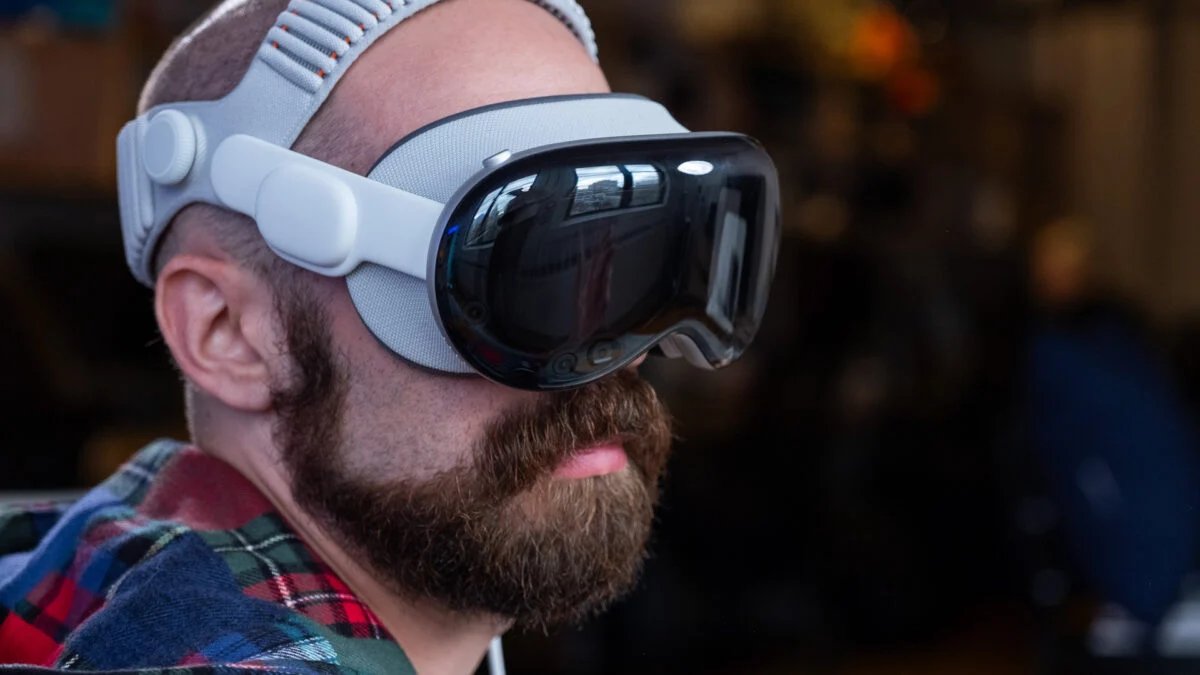
The trajectory of spatial computing has encountered a significant period of recalibration. While the debut of the Apple Vision Pro positioned the device as a high-fidelity window into digital reality, recent industry developments suggest that the market is pivoting toward a more pragmatic, ergonomic future. Reports indicate that Apple’s internal efforts to develop a successor to its premium headset, internally codenamed N224, face substantial uncertainty. This hesitation stems not only from internal resource allocation but from the rapid maturation of competing technologies that favor comfort and form factor over raw, standalone processing power.
For years, the industry operated under the assumption that immersive headsets needed to be self-contained computers, packing processors, batteries, and optical arrays into a single, front-heavy chassis. However, the emergence of lightweight hardware designs has challenged this premise. As users demand devices that can be worn for hours without physical fatigue, the industry is witnessing a transition from heavy, face-mounted computers to lighter, more wearable spectacles. This shift is placing pressure on existing product roadmaps, forcing companies to reconsider whether bulky, all-in-one designs remain a viable path forward for the mass consumer market.
The Rise of Lightweight Alternatives
A major catalyst for this industry pivot is the recent announcement of Meta’s upcoming VR glasses. These devices represent a departure from the traditional headset architecture, prioritizing a reduction in facial pressure and overall mass. By minimizing the hardware footprint, these glasses aim to lower the barrier to entry for users who previously found traditional headsets cumbersome. One of the most critical design modifications observed in this new generation is the integration of an external processing module—often referred to as a “puck”—which relocates the most heat-intensive components away from the wearer’s face.
By offloading the compute and power management to a device that resides on the user’s hip or in a pocket, designers can achieve a sleeker silhouette for the eyewear itself. Early assessments suggest that this architectural shift does not significantly sacrifice performance, as high-speed wireless connectivity allows the glasses to maintain a responsive interface. This approach provides a blueprint for what consumers appear to value most: the ability to integrate digital overlays into their daily lives without the social or physical burden of wearing a large, opaque device.
Internal Debate and Apple’s Hardware Strategy
Within Apple’s corporate structure, the vision for future spatial computing hardware remains a point of contention. The internal discord regarding the N224 project highlights a fundamental disagreement over design philosophy. Specifically, a segment of the hardware engineering team remains committed to the integrated, all-in-one design that characterized the Vision Pro. They argue that this maintains a seamless, untethered experience. Conversely, others advocate for the adoption of the external compute module to drastically reduce the headset’s weight and complexity.
This debate is compounded by organizational changes within the company. With the transition of John Ternus to the role of CEO and the subsequent shift in oversight for the Vision Products Group, the team responsible for spatial computing now operates with a different degree of proximity to central leadership. This shift in management layers may have contributed to a sense of isolation for the group, leading to the current state where the follow-up to the Vision Pro is described by some as being on life support. The decision to proceed with or cancel the project rests on whether Apple believes it can solve the weight issue without adopting the external hardware architecture that its internal teams are currently resisting.
Product Longevity and Industrial Use Cases
Despite the uncertainty surrounding the consumer-facing successor to the Vision Pro, executive leadership maintains that the product line is part of a long-term developmental journey. Comparing the current state of spatial computing to the nascent years of personal computing, leadership frames the Vision Pro not as a finished product, but as a foundational development platform. This long-term perspective is bolstered by the device’s reception in specialized fields, particularly in healthcare.
Surgeons and medical professionals have demonstrated that the high-resolution, low-latency display of the Vision Pro provides unique utility in operating rooms, where the ability to view complex data overlays in real-time can be a significant asset. These professional-grade applications provide a stable, albeit niche, market that justifies the current high-end hardware. By focusing on these use cases, Apple can continue to iterate on its software ecosystem while the hardware division decides how to reconcile the conflicting demands of consumer comfort and device performance.
The Future of Wearable Optics
Ultimately, the battle for the next generation of face-worn technology is governed by a singular question: how much can the hardware be miniaturized without compromising utility? The industry appears to be converging on the idea that smart glasses, rather than full-immersion headsets, represent the most viable path to widespread adoption. While these glasses offer less raw processing power than the Vision Pro, they offer a level of wearability that allows them to be treated as daily-use tools rather than specialized equipment.
Apple, despite its history of favoring highly integrated hardware, is clearly under pressure to adapt to this shift. Whether through the refinement of its optical systems or a radical change in its internal design standards, the company faces the challenge of maintaining its premium brand identity while delivering a product that meets modern expectations for comfort. The coming years will likely be defined by a race to balance computing capability with the physical realities of the human body, a challenge that will determine the survivors in the evolving landscape of augmented and virtual reality.
Disclaimer: This content is auto-generated for informational purposes only.
Source: Read Original News