







The Strategic Evolution of India’s Coal Market
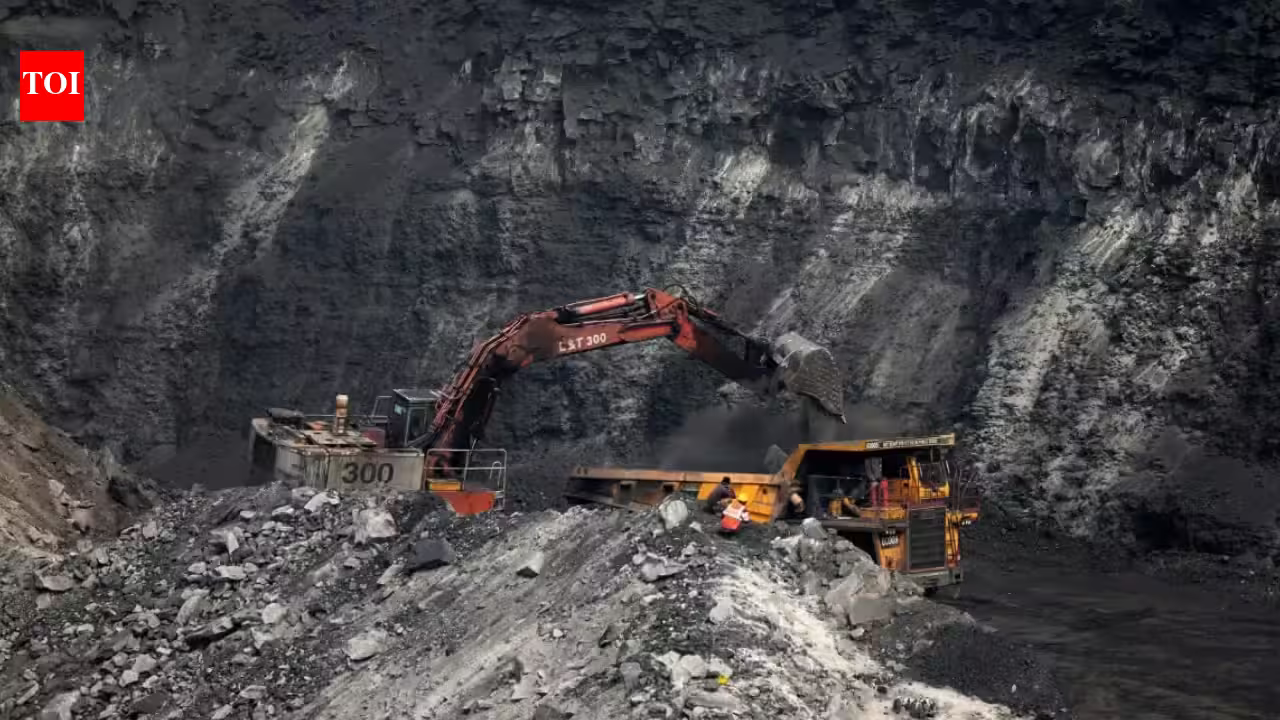
The formal application by the Indian Energy Exchange (IEX) subsidiary, the Indian Coal Exchange, to the Coal Controller Organisation (CCO) for a trading licence marks a pivotal shift in India’s energy landscape. For decades, coal procurement in India has been dominated by bilateral contracts, state-controlled auctions, and legacy supply arrangements. The introduction of an organized, physical delivery-based coal exchange represents the next logical step in the liberalization of the nation’s primary energy source. By leveraging the regulatory framework established under the Coal Exchange Rules, 2026, the government is signaling a departure from opaque, fragmented procurement toward a transparent, technology-led marketplace.
This move is not merely a bureaucratic expansion but a calculated effort to institutionalize coal trading. Historically, coal pricing and distribution have faced challenges related to information asymmetry and logistical inefficiencies. A centralized exchange promises to address these by creating a neutral platform where supply and demand dynamics determine market-clearing prices. As India continues to balance its industrial growth with energy security mandates, the transition to exchange-based trading is expected to enhance operational efficiency for both the power and non-power sectors.
Regulatory Foundations and Market Design
The Coal Exchange Rules, 2026, provide the essential bedrock for this transition. By designating the Coal Controller Organisation as the primary regulator, the government has established a clear oversight mechanism that mimics the maturity of financial and electricity markets. This regulatory clarity is critical for fostering trust among stakeholders—ranging from large-scale power generators and cement manufacturers to smaller industrial consumers.
The core objective of these rules is to mandate transparency and competitive price discovery. Under the proposed model, the Indian Coal Exchange will act as an intermediary, facilitating trades at designated delivery points. This structure minimizes the traditional risks associated with direct buyer-seller negotiations, such as contract defaults or lack of visibility into prevailing market rates. For the industry, this means moving away from price volatility linked to disparate, offline agreements toward a standardized system where quality specifications and delivery timelines are clearly defined and enforced by the exchange’s bye-laws.
Strengthening Energy Interconnectivity
The decision by IEX to spearhead this initiative is grounded in its long-standing dominance in the electricity trading sector. With nearly two decades of experience in running the Indian Energy Exchange, the parent organization has developed the technical infrastructure, surveillance systems, and clearing mechanisms necessary to handle large-scale commodity transactions. Integrating coal trading into the broader energy ecosystem—which already includes the Indian Gas Exchange and REC (Renewable Energy Certificate) mechanisms—creates a comprehensive energy value chain.
This synergy is vital for the Indian context. Power generation companies (Gencos) currently rely on complex fuel supply agreements that are often rigid. By introducing a secondary market for coal, Gencos can optimize their procurement strategies, potentially offloading surplus inventory or sourcing incremental volumes to meet unexpected peak power demands. This interconnectedness allows for a more holistic approach to energy management, where coal, gas, and renewable energy instruments are traded on compatible, high-trust platforms. Consequently, the energy sector gains the ability to react more dynamically to shifts in global coal prices and domestic availability.
Impact on Industrial Consumers and Price Discovery
The most significant immediate benefit of an organized coal exchange will be found in the efficiency of price discovery. In the current regime, industrial consumers in sectors such as steel, sponge iron, and aluminum often struggle with limited visibility into fair market pricing. A digital exchange democratizes access to information, allowing participants of all sizes to view bids and offers in real-time. This reduces the bargaining power of dominant suppliers and empowers smaller consumers who previously lacked the scale to negotiate favorable terms.
Furthermore, the physical delivery-based model ensures that trading remains tethered to real-world industrial needs. Unlike speculative derivative markets, a physical exchange guarantees that every trade is backed by the actual movement of coal. This is particularly important for India’s manufacturing sector, where supply chain reliability is paramount. By standardizing coal grades and delivery logistics, the exchange will lower the indirect costs of procurement, such as the administrative burden of vetting suppliers and managing individual contract disputes. Over time, this efficiency will filter down to end-users, potentially lowering the overall cost of production for coal-intensive goods in the domestic market.
Operational Challenges and Long-Term Outlook
While the launch of a coal exchange is a progressive step, the road ahead involves overcoming entrenched operational bottlenecks. The primary challenge will be the integration of logistical networks. Coal is a bulk commodity; its movement is heavily dependent on the Indian Railways and complex last-mile port-to-factory connectivity. The exchange will need to coordinate closely with these logistics providers to ensure that the speed of trading matches the pace of physical transportation. Failure to align digital trades with physical movement could lead to delivery delays, which would undermine the credibility of the exchange.
Additionally, the transition requires a cultural shift among market participants. Moving from traditional, decades-old bilateral procurement methods to an automated, screen-based bidding system will necessitate significant training and digital adoption across industrial clusters. However, the long-term outlook remains positive. As the exchange matures, it could eventually serve as a benchmark for coal pricing in South Asia, moving India from a passive price-taker in the global coal market to an active architect of regional price trends.
The entry of the Indian Coal Exchange into the market signifies a maturing industrial economy. By prioritizing transparency and utilizing a proven technological framework, the move is poised to eliminate inefficiencies that have hampered the energy sector for years. As the CCO evaluates the licensing request, the industry awaits a shift that promises to bring order to one of the most critical segments of the national economy. If implemented with careful attention to logistics and stakeholder participation, the exchange will likely become a cornerstone of India’s industrial energy strategy for the coming decade.
Disclaimer: This content is auto-generated for informational purposes only.
Source: Read Original News