








The landscape of home entertainment technology has undergone a significant transformation since the dawn of the 21st century. As gaming consoles evolved from simple dedicated hardware into complex, connected computing hubs, the financial barrier to entry has shifted in tandem. By comparing the original Xbox console launched in 2001 to the current-generation Xbox Series X and Series S in 2026, one can observe a distinct trajectory in hardware pricing, manufacturing complexity, and the broader economic forces at play.
The Economic Shift from 2001 to 2026
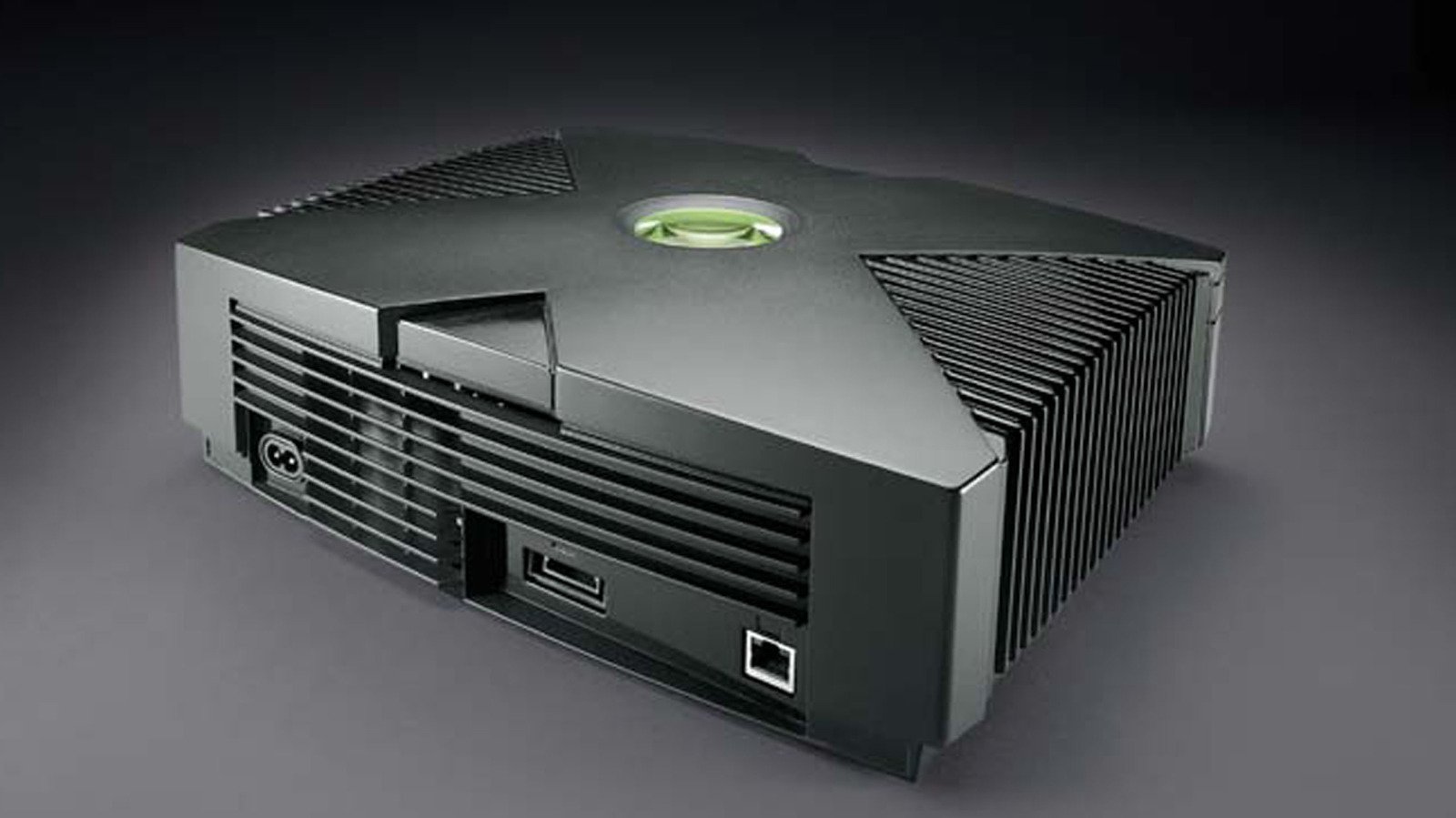
In November 2001, Microsoft entered the console market with the original Xbox, which retailed at a price point of $299. In the context of the year 2001, this represented a significant investment for a home entertainment device. When adjusted for cumulative inflation over the past quarter-century, that original price equates to approximately $564.59 in modern currency.
Fast forward to September 2026, and the pricing structure has moved into higher tiers. The current-generation Xbox Series X is currently retailing between $749.99 and $899.99, depending on storage capacity and limited-edition configurations. The Xbox Series S, a digital-only hardware variant, occupies a lower price bracket between $499.99 and $599.99. These figures reflect not only the standard inflationary pressures of the global economy but also a shift toward more sophisticated, high-performance internal components that were non-existent in the early 2000s.
Evolution of Hardware and Performance Capabilities
The primary driver behind the rising costs of gaming consoles is the exponential growth in hardware performance. The original Xbox was a technological marvel for its time, featuring a custom 733 MHz Intel Pentium III processor and an NVIDIA NV2A graphics processing unit. While it pioneered hard-drive-based gaming and online connectivity via Xbox Live, it operated within a limited hardware footprint.
In contrast, the Xbox Series X/S platforms utilize custom silicon designed by AMD, incorporating advanced Zen 2 CPU architecture and RDNA 2 graphics architecture. These systems are capable of hardware-accelerated ray tracing, variable rate shading, and instantaneous load times facilitated by proprietary NVMe solid-state drives. The transition from physical optical media playback to complex software-defined hardware environments requires a more substantial investment in research, development, and high-density manufacturing processes. As the industry pushed for 4K output, high refresh rates, and massive data throughput, the material costs associated with building these consoles increased accordingly.
Market Segmentation and Product Tiers
Microsoft has increasingly utilized market segmentation to manage these price hikes, offering varying tiers of hardware to suit different consumer needs. The Xbox 360 era introduced the first major diversification, where the console was offered in multiple configurations based on storage space and accessory bundles. This strategy has since matured significantly.
Today, the Xbox Series S offers a gateway for consumers who prefer digital distribution, allowing them to access the current generation of software at a lower cost compared to the flagship Series X. Conversely, high-end models—such as the recently released 25th-anniversary edition—cater to a enthusiast market. These premium units often feature expanded internal storage and aesthetic refinements, moving the console from a standard utility device toward a luxury item. This approach allows manufacturers to distribute the cost of R&D across a broader demographic while providing options for both budget-conscious users and those seeking top-tier performance.
The Impact of Digital Infrastructure
The rising cost of hardware is also tied to the shift toward digital-first ecosystems. Modern Xbox consoles act as portals for cloud gaming, digital library management, and subscription services. The original Xbox was a static device; once purchased, its functionality was limited to the physical discs it could play. Today’s consoles require constant connectivity, robust server infrastructure, and sophisticated operating systems that receive regular updates.
This ongoing maintenance and the integration of features like digital rights management, cross-platform synchronization, and cloud-based saves necessitate higher upfront costs for the systems themselves. Consumers are not merely paying for the plastic, silicon, and metal of the chassis; they are paying for access to a continuously updated digital service that ensures their library remains relevant across different iterations of hardware.
Long-term Value and Industry Outlook
While the sticker price of the latest Xbox consoles is objectively higher than its 2001 predecessor, the value proposition has changed. The original Xbox provided a distinct, enclosed environment, whereas modern consoles act as media centers capable of streaming high-definition content, running sophisticated applications, and facilitating complex online social networks.
For the modern consumer, the transition from a $299 price tag in 2001 to a nearly $900 price point in 2026 serves as a reflection of the commodification of high-performance computing. As the industry looks toward future hardware iterations, the emphasis remains on balancing the demand for cutting-edge graphical fidelity and system responsiveness with the necessity of keeping gaming accessible to a global audience. The trajectory suggests that while console prices will likely continue to climb alongside the complexity of the technology, the versatility and longevity of these devices remain core components of their market appeal.
Disclaimer: This content is auto-generated for informational purposes only.
Source: Read Original News