







India Joins Global Watchlist as WTO Panels Examine EU’s Carbon Border Tax
New Delhi: In a significant move highlighting the growing international friction over climate-related trade measures, India has formally secured its status as a third-party participant in a World Trade Organization (WTO) dispute. The conflict, initiated by Russia, challenges the European Union’s controversial Carbon Border Adjustment Mechanism (CBAM), a policy that effectively imposes a carbon tax on imports entering the European market.
The WTO’s Dispute Settlement Body (DSB) confirmed on Friday that it would establish an independent panel to adjudicate the legality of the EU’s green levy. Alongside India, 17 other nations—including major trading powers such as the United States, the United Kingdom, and China—have asserted their right to intervene in the proceedings. This broad participation underscores the global apprehension regarding how environmental policies are increasingly being used to influence trade flows.
The Core of the Dispute
The legal challenge centers on Russia’s assertion that the CBAM acts as a discriminatory trade barrier rather than a purely environmental initiative. Moscow argues that the mechanism unfairly penalizes foreign goods under the guise of climate protection, violating established WTO principles of non-discrimination. Furthermore, the complaint alleges that the EU’s internal allocation of greenhouse gas emission allowances to certain European companies creates an uneven playing field. According to Russia, these allowances function as disguised export subsidies that bolster the competitive advantage of European domestic industries at the expense of global competitors.
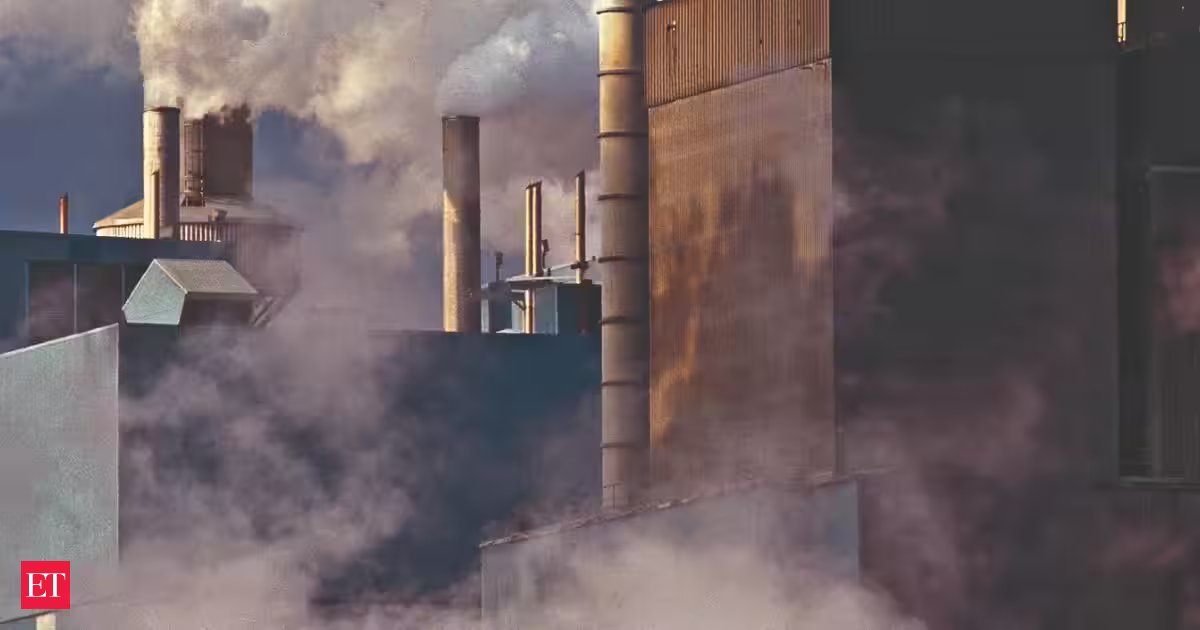
The CBAM, which officially entered its transitional phase on January 1, requires importers to report the carbon content of specific goods, such as steel, cement, and aluminum. While the EU maintains that the policy is vital to prevent “carbon leakage”—where companies move production to countries with laxer emission standards—the developing world and several major exporters view it as an intrusive green tariff.
India’s Dual-Track Strategy
Despite joining the WTO dispute as a third party to safeguard its interests, India is simultaneously pursuing a pragmatic, collaborative approach with Brussels. Recognizing that the CBAM is likely to be a permanent fixture in trans-continental trade, New Delhi is actively working to harmonize its domestic processes with European standards to minimize the impact on Indian exporters.
Government sources indicate that India and the EU are in advanced discussions regarding the capacity-building necessary for CBAM compliance. A primary focus is the accreditation of Indian verification agencies. The goal is to ensure that carbon footprint data generated in India is recognized by EU authorities, thereby streamlining the entry of Indian goods into the European market. So far, six applications from Indian agencies have been submitted for formal EU recognition, with plans to certify at least ten such entities in the near future.
Furthermore, India is accelerating the development of its own Carbon Credit Trading Scheme. By establishing a robust domestic carbon pricing framework, India aims to create a system that is interoperable with international standards. Officials are currently engaged in high-level dialogues with their European counterparts to discuss carbon pricing methodologies, which could eventually lead to a mutual recognition agreement.
As the WTO panel begins its deliberations, the global trade community will be closely watching for a verdict that could redefine the intersection of environmental regulation and international commerce. For India, the strategy remains clear: challenge the aspects of the EU policy that threaten its sovereign trade interests while simultaneously building the domestic infrastructure required to thrive in a world of carbon-conscious trade.
Disclaimer: This content is auto-generated for informational purposes only.
Source: Read Original News