







The integration of precision agricultural technology reached a new milestone this week as Ridder announced a formal partnership with Gremon Systems. By incorporating the Trutina platform into Ridder’s existing infrastructure—specifically the Hortimax Plus and Hortimax Pro climate computers—growers now have a centralized digital environment to monitor and respond to real-time plant feedback.
In modern controlled-environment agriculture, the challenge is rarely a lack of data, but rather the fragmentation of information across disparate systems. Climate control in a greenhouse has historically relied on external environmental data, such as humidity, temperature, and light intensity. However, these environmental factors only tell part of the story. By integrating Gremon Systems’ Trutina platform, Ridder bridges the gap between atmospheric climate control and the actual physiological state of the crop.
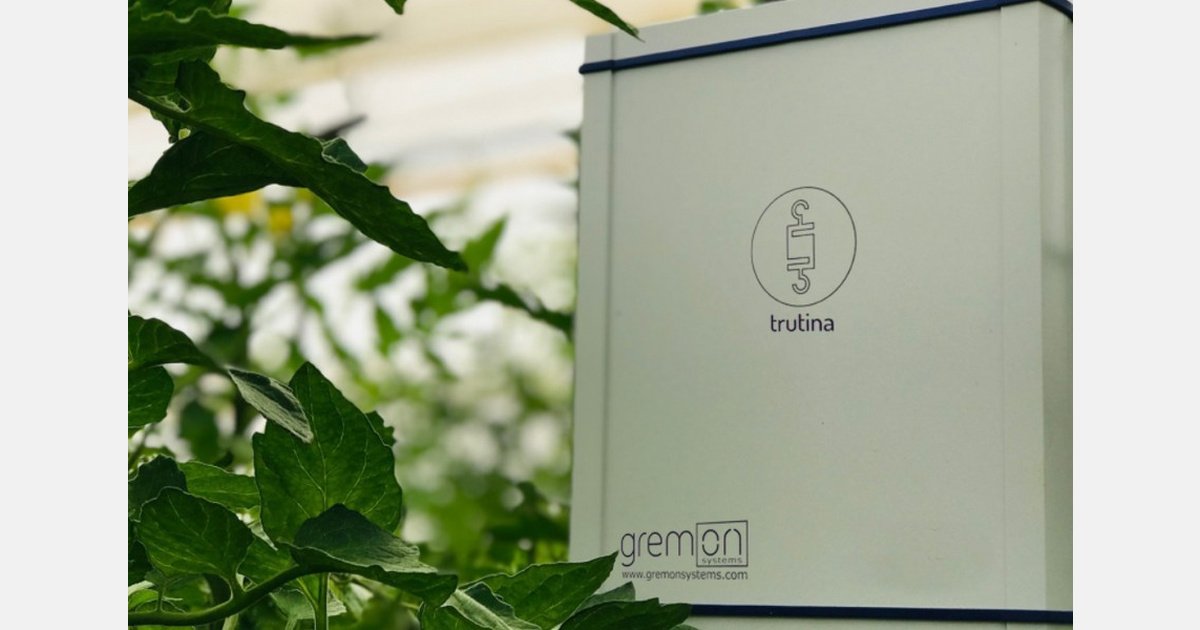
The Trutina system provides granular insights into the plant’s biological performance, measuring critical variables such as weight, water uptake, biomass development, and drainage in real time. When these insights are synthesized alongside Gremon’s cloud-based analytical tools—including the “Risk Reduction Report”—growers gain a significantly clearer picture of how a crop reacts to environmental shifts.
For the grower, this integration eliminates the need to toggle between different software interfaces to compare climate settings with plant response. Instead, all data is unified within the Ridder platform. Furthermore, the system is designed with long-term analytics in mind. All incoming data is stored from the moment of installation, allowing agricultural managers to build comprehensive historical models. By combining these long-term datasets with data from other integrated sensors, growers can identify subtle trends, benchmark crop performance, and refine their cultivation strategies with higher precision.
The partnership represents a broader shift toward an open and connected horticultural ecosystem. As technology in greenhouses becomes increasingly specialized, the demand for interoperability has surged. Growers are no longer willing to operate within “siloed” systems that do not communicate with one another. By allowing specialist technologies like Trutina to interface seamlessly with the central climate computer, Ridder is facilitating a more holistic approach to plant health.
Jorge Gonzalez, Product Manager at Ridder, emphasized the strategic importance of this development. “By connecting specialist technologies like Trutina with Hortimax, we enable growers to combine valuable data, gain better insights, and make more informed cultivation decisions,” Gonzalez stated.
This sentiment was echoed by Zsolt Fábián, CEO of Gremon Systems, who noted that the integration is a natural evolution of precision farming. “Plant data and climate data belong together,” Fábián remarked. “This integration gives growers a more complete picture of their crop and is another step towards more data-driven and increasingly autonomous greenhouse operations, with the grower always in control.”
Ultimately, the move is designed to support the growing industry trend toward automation. By providing a unified, data-rich interface, Ridder and Gremon are empowering growers to move away from reactive decision-making toward a model that is proactive, data-informed, and highly efficient. As greenhouse operations face increasing pressure to maximize yields while minimizing resource inputs, these integrated digital ecosystems are becoming essential tools for maintaining competitiveness and long-term sustainability in the horticultural sector.
Disclaimer: This content is auto-generated for informational purposes only.
Source: Read Original News