









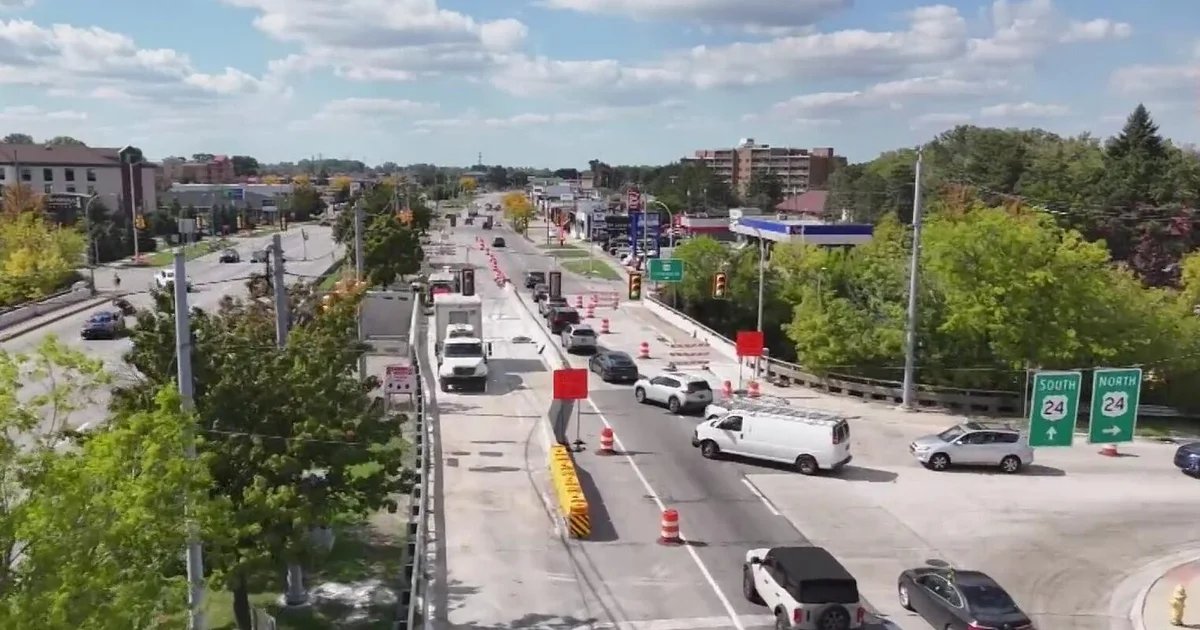
Commuters traversing the bustling junction of Michigan Avenue and Telegraph Road in Dearborn are facing a frustrating reality: an extended timeline for road construction that is reshaping local traffic patterns and impacting small businesses. Originally slated for completion by late summer, the Michigan Department of Transportation (MDOT) has confirmed that the bridge repair work will now stretch into late October.
The delay, while burdensome for local drivers, underscores the persistent challenge of maintaining aging infrastructure—a sector where AI-driven predictive maintenance and advanced mapping technologies are increasingly becoming essential tools for city planners and departments of transportation.
## The Cost of Unexpected Infrastructure Decay
MDOT spokesperson Diane Cross revealed that the project’s scope expanded after crews uncovered significant structural issues during the repair process. Upon closer inspection, it became clear that the bridge had suffered internal damage, likely stemming from a previous collision with an oversized vehicle that exceeded the clearance limit.
In an era where smart city infrastructure is gaining traction, municipalities are looking toward integrated sensor technology to prevent such occurrences. By utilizing AI-powered cameras and LIDAR-equipped transit management systems, modern cities can now detect potential high-load collisions before they happen and provide real-time alerts to drivers. Such tech-forward approaches allow officials to monitor structural health more efficiently than manual inspections, potentially saving taxpayers from the kind of protracted construction delays currently plaguing Dearborn.
## Local Businesses Grapple with Digital Disruption
For businesses like Homies Donuts, which sits directly adjacent to the construction site, the road work has created a significant hurdle in maintaining consistent foot traffic. With lane closures complicating access to the shop’s parking lot and drive-thru, the owners have had to contend with a noticeable drop in customer volume.
This situation highlights the critical importance of digital presence for brick-and-mortar retailers today. To stay afloat during such disruptions, small businesses are increasingly reliant on robust Google Business Profile updates and real-time navigation platforms like Google Maps. When traffic patterns shift due to construction, businesses must ensure that their digital footprint—including accessibility information—is accurate. Using Google’s local search updates, businesses can alert customers to temporary entrances or changes in parking logistics, helping to mitigate the impact of physical road work on their bottom line.
## Leveraging Technology for Traffic Management
As the project continues through October, residents are bracing for additional weekend closures. The incident serves as a broader reminder of how the integration of real-time data into platforms like Google Maps and Waze has changed the way we commute. These systems analyze high-frequency traffic data to suggest alternative routes, effectively spreading the burden of traffic across secondary roads to prevent total gridlock.
Furthermore, state departments are increasingly adopting data-driven workflows to streamline project management. By utilizing AI algorithms to calculate the most efficient construction scheduling, MDOT and similar organizations aim to balance the necessity of infrastructure upgrades with the desire to minimize economic friction for local businesses. While the construction on Michigan and Telegraph remains a temporary inconvenience, it represents a wider effort to update essential transit links for a future where intelligent traffic monitoring and precise navigation software will be the norm rather than the exception.
Until the work concludes in late October, drivers are encouraged to plan for significant delays. For those caught in the construction zones, checking traffic updates before departing and supporting impacted local businesses remains the best strategy for navigating this challenging transition period.
Disclaimer: This content is auto-generated for informational purposes only.
Source: Read Original News