









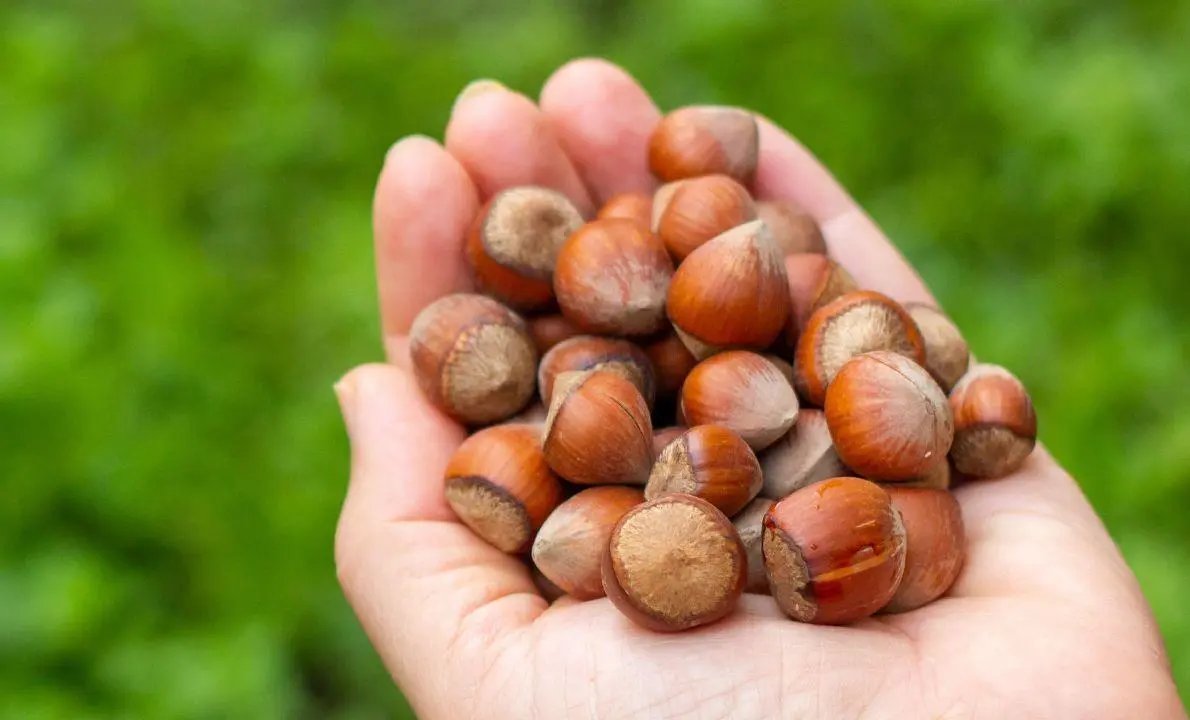
Oregon’s hazelnut industry is bracing for a period of economic uncertainty as initial prices for the 2026 crop have fallen amid what experts describe as “complete chaos” in the global market.
Negotiations between growers and processors have resulted in a guaranteed initial price ranging from 75 to 90 cents per pound, depending on the variety. This represents a significant decline from last year, when prices sat between $1.05 and $1.30 per pound.
While the lower floor for compensation has raised concerns among local farmers, industry leaders emphasize that these figures are only the starting point. Terry Ross, executive director of the Hazelnut Growers Bargaining Association (HGBA), remains optimistic that farmers will see a return on their investment as the market stabilizes. “We feel an opportunity for a good upside as our processors maximize the Oregon premium,” Ross said.
This sentiment is echoed by Larry George, owner of several processing facilities that handle roughly two-thirds of the state’s harvest. George noted that, historically, the final price paid to farmers consistently exceeds the initial guarantee. “We’ve never not paid more,” George said. “It gives them security. They know they can budget around it.”
The volatility currently gripping the market is largely tied to production trends in Turkey, the world’s leading hazelnut supplier. Massive projected volumes from the region initially triggered steep downward pressure on global pricing. However, that narrative has shifted in recent weeks as harvest-time rains have hampered Turkey’s outdoor drying process. These conditions, coupled with ongoing issues regarding stinkbug damage, have cast doubt on the overall quality of the Turkish crop, leading to a “bifurcated market” where buyers are hesitant to commit.
“Nobody wants to buy unless they need it. Nobody wants to sell unless they have to,” George explained, describing a current stalemate between buyers and sellers. Furthermore, the Turkish government has begun intervening by purchasing large portions of its domestic crop to artificially support price levels, further complicating international trade projections.
Industry experts are looking to smaller anticipated yields from Italy and Chile as potential relief for Oregon producers. Because the state’s hazelnut industry has expanded significantly in recent years, Oregon can no longer rely on the traditional, faster-paced in-shell export model to China that once set prices early in the season. Instead, today’s larger, year-round shelled operation requires a more patient approach to market navigation.
“We’ve got the wind at our back and the wind in our faces,” Ross said, characterizing the dual pressures of production volume and quality premiums.
With the market remaining highly volatile, industry officials caution that final pricing for the 2026 harvest will not truly be determined until the spring of 2027. For now, Oregon growers are operating under a wait-and-see approach, hoping that the superior quality of their crop will command the necessary premium to bolster their bottom lines.
Disclaimer: This content is auto-generated for informational purposes only.
Source: Read Original News