









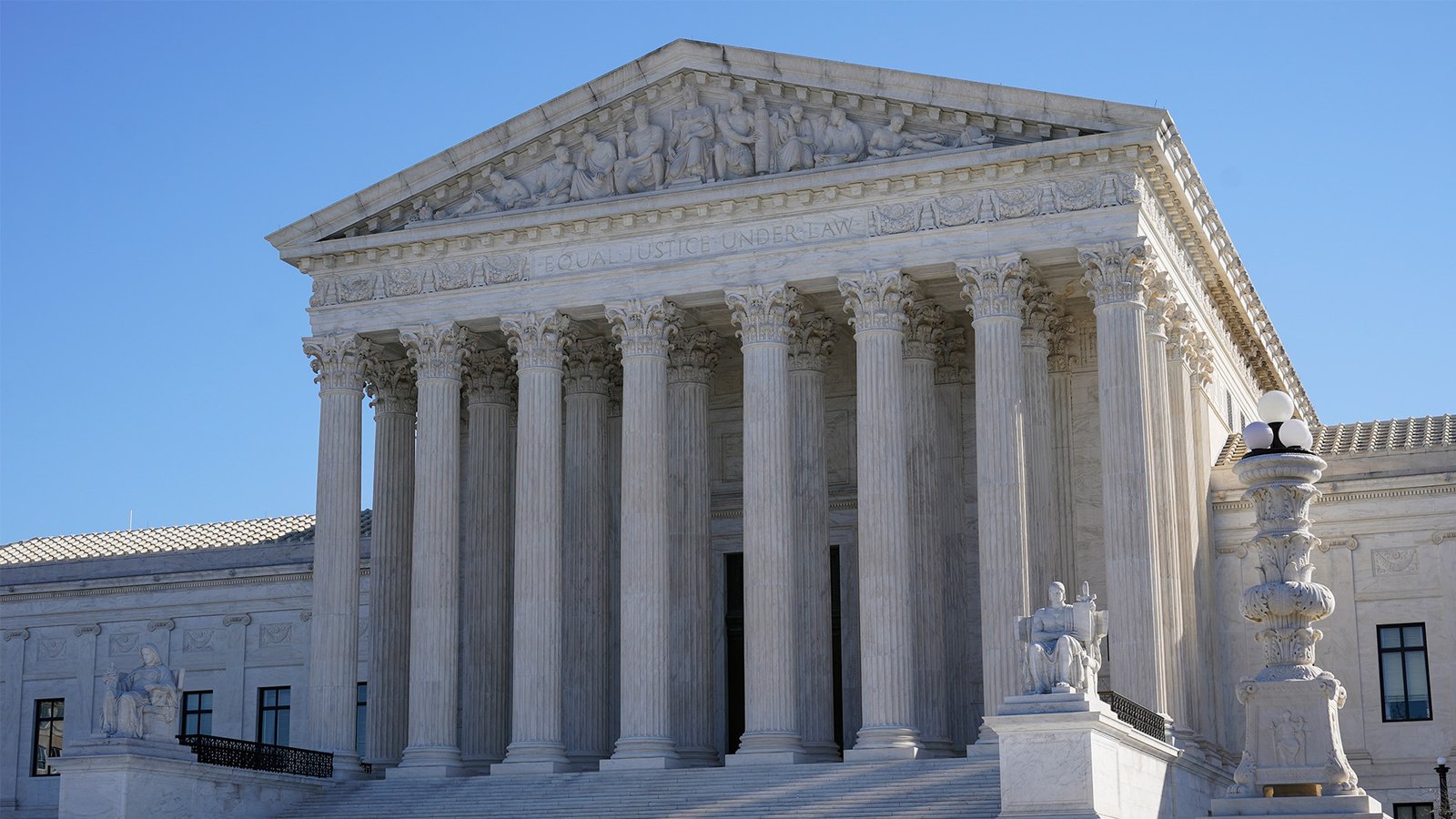
WASHINGTON — The Supreme Court intervened on Tuesday to allow the Trump administration to continue its practice of deporting migrants to third countries without providing prior notice. The high court’s order stays a recent lower court ruling that had effectively blocked the policy, permitting federal officials to resume rapid removals while the justices prepare to weigh the constitutional merits of the program.
The Supreme Court announced it will hear oral arguments on the matter this December. While the administration secured a tactical victory, the decision to hear the case suggests the justices remain deeply divided over the legal reach of the government’s immigration authority. Justices Sonia Sotomayor, Elena Kagan, and Ketanji Brown Jackson dissented from the decision, signaling their opposition to the stay.
The controversy centers on a Trump administration policy that involves sending asylum seekers and migrants to countries with which they have no prior ties. Earlier this month, a three-judge panel for the First Circuit had issued a stinging rebuke of the practice, arguing that it violated the fundamental rights of those in federal custody.
“An individual’s right to contest removal to a country based on a fear of persecution in that country means little if one does not receive prior notice of the intended removal destination and a meaningful opportunity to contest that destination,” wrote Circuit Judge Seth Aframe in the earlier ruling.
The administration has aggressively expanded this policy, forging formal agreements with nearly three dozen nations to facilitate the rapid removal of asylum seekers and individuals with criminal records. Data from advocacy groups, including Human Rights First and Refugees International, indicates that approximately 25,000 individuals have been deported under these terms during the current crackdown.
Attorneys representing the migrants expressed alarm at the Supreme Court’s decision. Trina Realmuto, a lawyer who sued the administration over the policy, described the ruling as a “devastating result” for those currently in the deportation pipeline.
“This is a devastating result for people who may be put on a plane before they ever have notice or an opportunity to raise a fear claim,” Realmuto said. She noted, however, that the battle is not over, as the Supreme Court has yet to rule on whether the policy violates federal statutes, due process requirements, and international protections against torture.
The human impact of the policy has been profound, with reports of individuals being kept in the dark regarding their final destination until they are already in the air. In a previous interview with ABC News, one migrant named Aristides Fernandez Garcia described being deported to the Central African Republic without prior warning. “I feel kidnapped,” Garcia said. “They have violated all the rights that exist in life, because we are human beings.”
As the administration prepares to defend its policy before the high court in December, the federal government will be permitted to continue its rapid removals, leaving thousands of migrants in a precarious state of uncertainty.
Disclaimer: This content is auto-generated for informational purposes only.
Source: Read Original News