







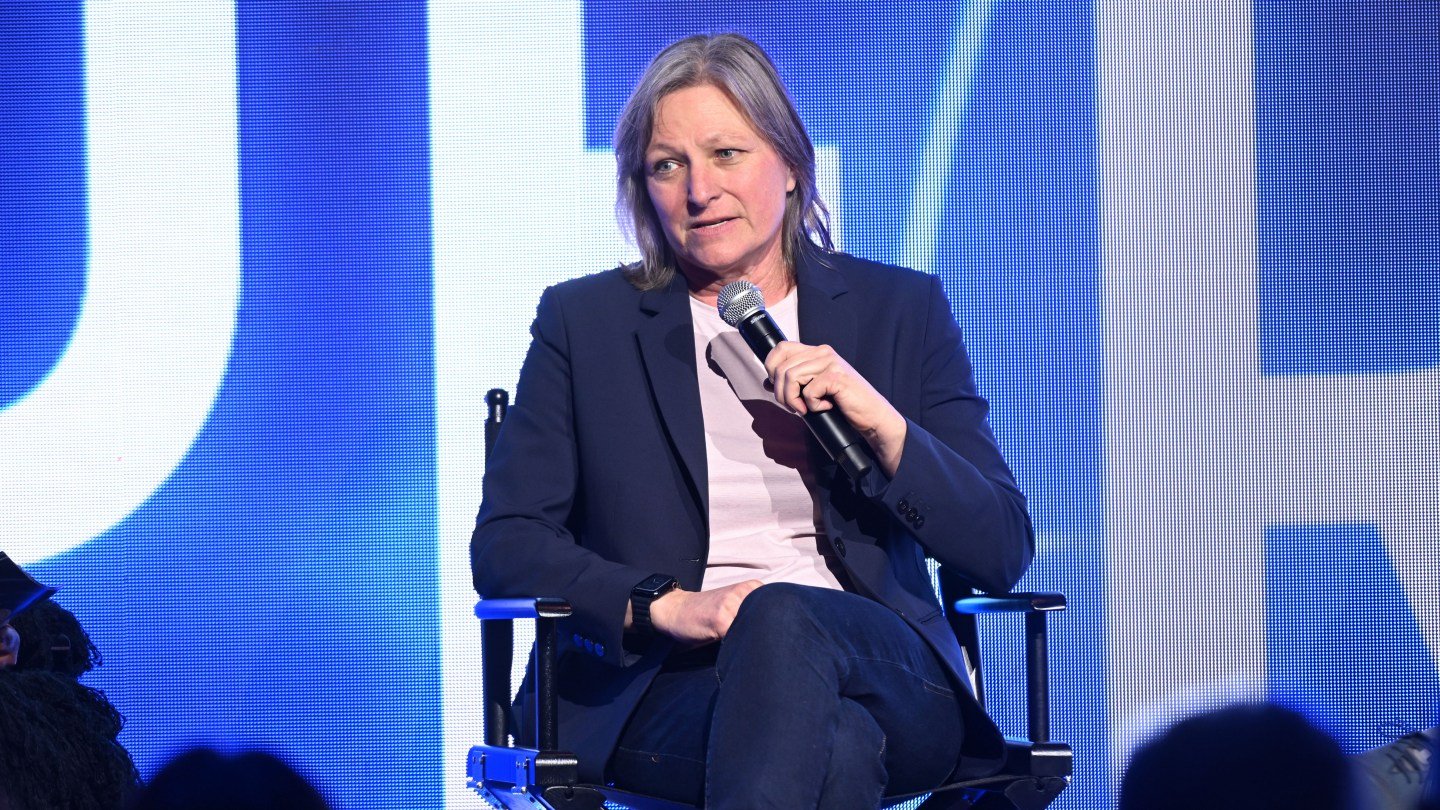
Cindy Holland, the high-profile chair of direct-to-consumer (DTC) at Paramount, is stepping down from her role as the media giant prepares for its high-stakes integration with Warner Bros. Discovery. Holland, who joined the leadership team under CEO David Ellison just over a year ago, announced her departure in an internal memo on Tuesday, marking a significant shift in the executive landscape as the industry continues to consolidate.
A Strategic Exit in a Shifting Media Landscape
The departure comes as Paramount finalizes its transition toward becoming a unified entity with Warner Bros. Discovery. According to internal statements, the move is rooted in an effort to “optimize for HBO stability,” suggesting that as the two companies merge their streaming operations, leadership roles are being streamlined to prevent redundancy. By exiting now, Holland clears the path for HBO Max content chief Casey Bloys to take a leading role in overseeing the combined streaming ambitions of the new organization.
Holland’s tenure, though brief, was marked by aggressive growth targets and a focus on stabilizing Paramount’s digital footprint. In her parting message, she reflected on the mandate she received in January 2025: to advise on the Warner Bros. Discovery acquisition, revitalize the Paramount+ and Pluto TV platforms, and build a top-tier executive team. By all accounts, her departure aligns with the completion of these initial strategic objectives.
Streamlining the Future of Streaming
The consolidation of streaming services has become a dominant theme in the tech and entertainment industry as companies move away from standalone apps toward centralized, unified platforms. For the newly formed Paramount-Warner entity, the strategy centers on leveraging the prestige and subscriber stability of HBO while utilizing the operational framework established by Holland’s team at Paramount+.
The tech industry, which has been closely tracking this merger, views the transition of power to a single executive like Bloys as a move to reduce organizational friction. As streaming platforms face increasing pressure from AI-driven discovery tools and the need for more efficient algorithmic content recommendations, the ability to operate as a single, cohesive unit is seen as a key competitive advantage. With the technical infrastructure of Paramount+ and Pluto TV undergoing significant transformations under Holland, the focus now shifts toward ensuring that the massive libraries of content from both media conglomerates can be managed effectively under one digital roof.
Reflecting on a Year of Record-Breaking Growth
Despite her short stay, Holland leaves behind a track record defined by metrics and operational milestones. Under her guidance, Paramount+ reached historic highs in subscriber counts, bolstered by a content pipeline that included successful franchises like Landman and the Dutton series. Her tenure also prioritized the integration of live sports into the streaming experience, with records set during UFC events on the platform.
Furthermore, Holland oversaw the most significant product overhaul for Pluto TV in ten years, aimed at improving user engagement through better content discovery and interface refinements. These product upgrades, which were essential for maintaining profitability in a crowded marketplace, represent the kind of data-driven, user-centric approach that modern streaming platforms must adopt to survive.
As the industry watches this merger unfold, the departure of a major executive like Holland underscores the reality that in the world of big media and tech, personal roles are often secondary to the broader goal of corporate synergy. For now, the leadership team at the combined company will look to leverage the foundation built by Holland to navigate the complex integration of two of the largest media portfolios in the world.
Disclaimer: This content is auto-generated for informational purposes only.
Source: Read Original News