








India Faces Agricultural Crisis as Weakest Monsoon in a Decade Hits Crops
A powerful El Niño weather phenomenon has crippled India’s recent monsoon season, delivering the lowest rainfall totals in over ten years. As the June-to-September period concludes, the nation is grappling with the far-reaching consequences of this moisture deficit, which threatens crop yields, reduces water reservoir levels, and intensifies the risk of rising food inflation across the world’s most populous country.
According to data released by the India Meteorological Department (IMD), total rainfall for the season reached 759.4 millimeters, falling 12.6% below the long-term average. This marks the most significant shortfall since 2015 and notably exceeds the 10% decline that government weather officials had projected earlier in May.
Food Inflation and Economic Pressure
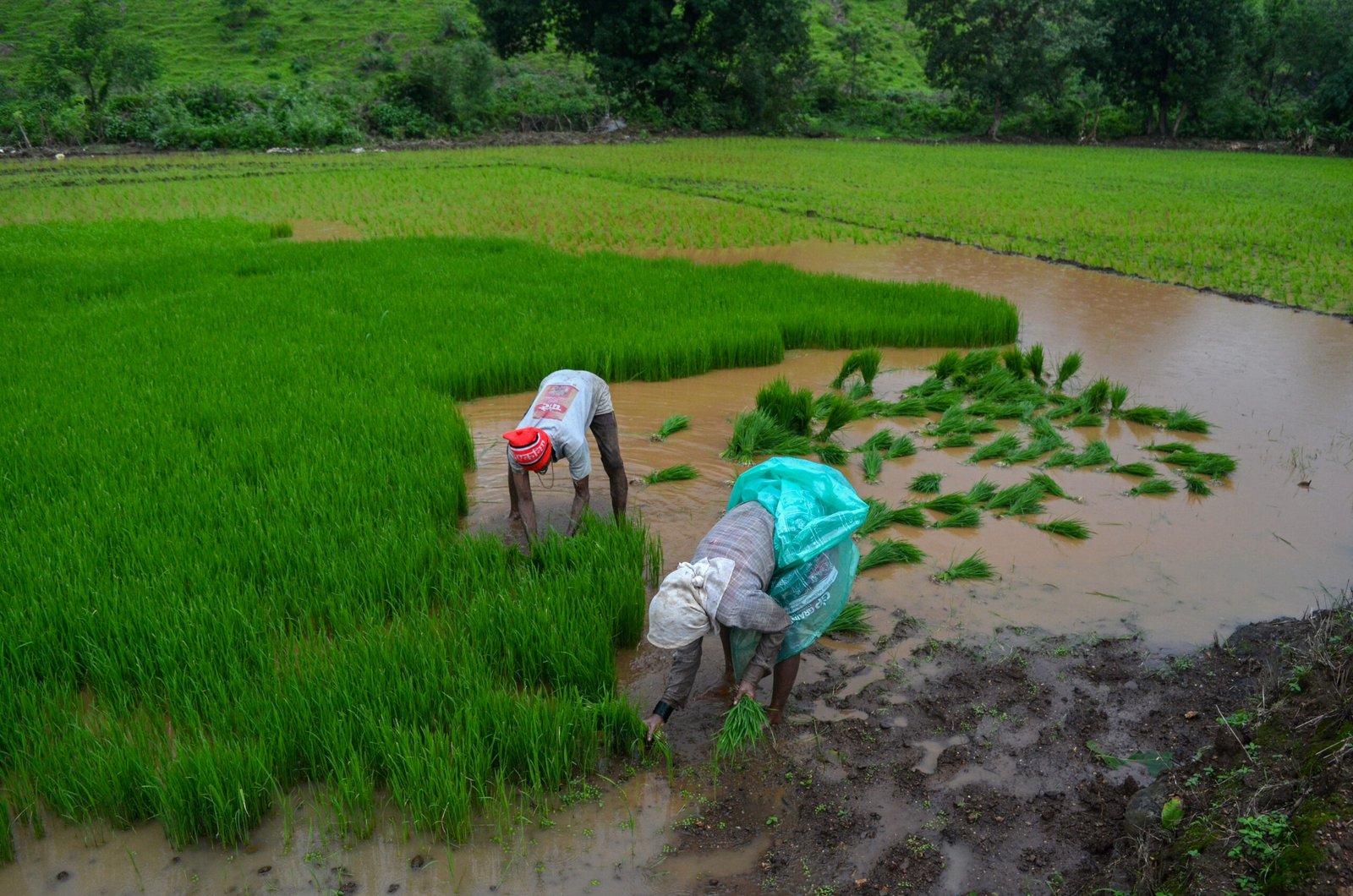
The combination of insufficient rainfall and its uneven geographic distribution has cast a shadow over agricultural stability. With food inflation already climbing for seven consecutive months—reaching 5.95% in August—the agricultural sector is under immense strain. Farmers across the country, who rely on these seasonal rains to irrigate essential staples such as rice, sugar cane, and soybeans, are now facing difficult harvests.
The government has already initiated interventionist measures to stabilize domestic markets. Policy shifts include cutting import taxes on edible oils and permitting the duty-free purchase of raw sugar from international markets. These actions are designed to keep prices stable as the country enters a critical festival season. Furthermore, the economic ripple effects are being felt at the highest levels of governance, with analysts suggesting that the Reserve Bank of India may be forced to hike policy rates for the first time since February 2023 to combat the inflationary pressure.
A Widespread Environmental Impact
The meteorological data highlights a stark regional divide. While approximately 42% of districts recorded normal rainfall, 38% faced significant deficiencies. The East and North-East regions were the most heavily impacted, finishing the season with a 26% shortfall compared to the long-term average.
Mrutyunjay Mohapatra, Director General of the IMD, warned that the challenges are far from over. “Strong El Niño conditions are currently prevailing over the equatorial Pacific Ocean and will continue to strengthen, peaking in November,” Mohapatra noted. Current projections indicate that rainfall will remain below normal throughout the country through December, with only isolated parts of Southern and North-West India expected to see any reprieve.
Energy and Infrastructure Strains
The crisis extends beyond the fields, impacting the country’s power grid. The lack of rain has caused a decline in reservoir levels, which in turn has hampered hydropower generation for the fifth consecutive month. To bridge this energy gap, utilities have been forced to rely more heavily on coal-fired power plants, putting further pressure on national fuel stockpiles to meet industrial and cooling demands.
As India looks toward the winter planting cycle, the persistent moisture deficit remains a primary concern for policymakers. With soil moisture levels depleted and water reserves historically low, the agricultural sector faces a precarious path forward, necessitating careful management to ensure food security for millions in the coming months.
Disclaimer: This content is auto-generated for informational purposes only.
Source: Read Original News