








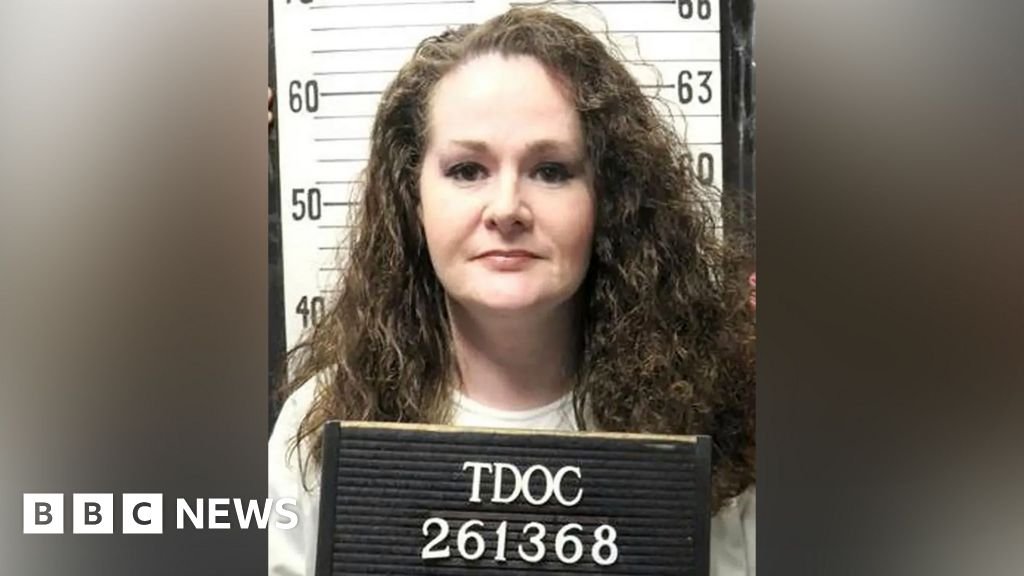
FLORIDA — After spending nearly three decades on death row for the brutal 1996 murder of Colleen Slemmer, Michael Duane Zack III has been executed by the state of Florida. The execution, carried out via lethal injection at the Florida State Prison in Raiford, brings a final chapter to a case that has haunted the Sunshine State for twenty-seven years.
Zack, 54, was pronounced dead at 6:14 p.m. local time following the administration of a three-drug lethal injection protocol. His death came after the U.S. Supreme Court denied a final round of emergency appeals filed by his legal team, who had argued that Zack suffered from fetal alcohol spectrum disorder and severe post-traumatic stress, which they claimed should have mitigated his sentence.
The conviction stemmed from a violent crime spree that took place in June 1996. Zack was found guilty of the kidnapping, sexual assault, and murder of Colleen Slemmer, a 23-year-old woman he encountered at a bar in Pensacola. According to court documents, Zack lured Slemmer to a secluded, wooded area behind an office park under the guise of an alcohol-fueled hangout. Once there, he viciously attacked the victim, beating and kicking her before ultimately killing her with the jagged edge of a broken bottle.
The brutality of the crime sent shockwaves through the community, and the subsequent trial revealed a pattern of violence that had characterized Zack’s life leading up to the murder. Prosecutors successfully argued that the attack was premeditated and cold-blooded, painting a picture of a predator who showed no remorse for the suffering he inflicted on Slemmer. During the sentencing phase, the jury recommended death, a recommendation that was upheld by the presiding judge.
For the family of Colleen Slemmer, the execution offers a long-delayed sense of finality. In the decades since her death, they have appeared at numerous hearings and parole board meetings, consistently advocating for the enforcement of the sentence originally handed down in the late nineties. Despite the length of time that passed, family members have described the trauma of that night as a permanent fixture in their lives.
Governor Ron DeSantis, who signed the death warrant last month, has remained steadfast in his support of the state’s capital punishment laws, framing the execution as an act of justice for the victim. The execution of Zack marks the sixth carried out by Florida this year, continuing a trend of increased capital activity in the state following a period of relative dormancy.
As the legal proceedings conclude, the case of Michael Zack remains a poignant reminder of the enduring legal battles surrounding the death penalty. While death penalty abolitionists continue to cite his mental health struggles as evidence of a broken system, supporters of the sentence insist that the severity of his crimes necessitated the ultimate punishment.
Disclaimer: This content is auto-generated for informational purposes only.
Source: Read Original News