






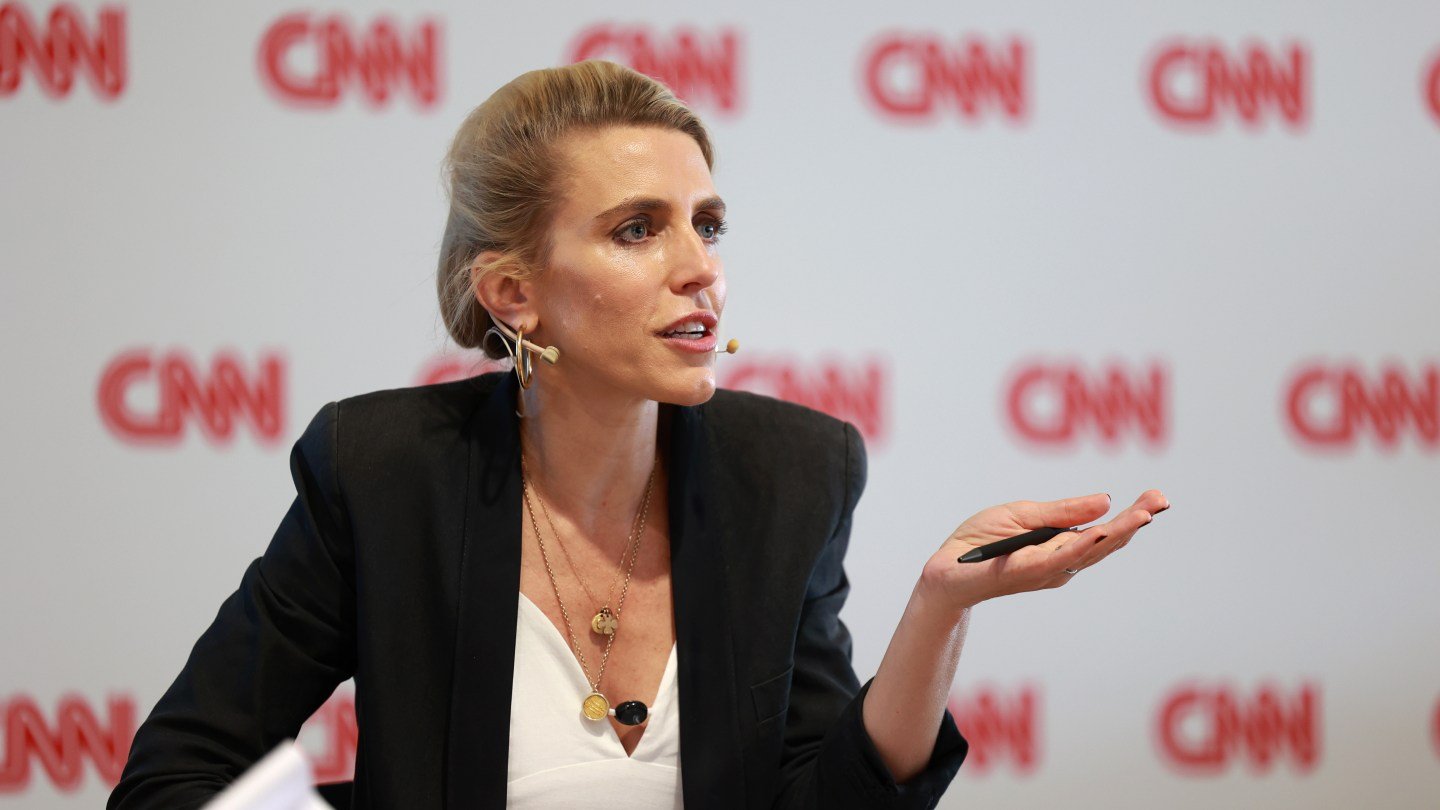
The media landscape is shifting beneath the feet of veteran journalists, and for Clarissa Ward, CNN’s chief international correspondent, the terrain has never been more volatile. As the network transitions into the hands of new owner David Ellison, Ward is navigating a dual crisis: the professional demand of covering global conflicts and the personal uncertainty of working for a legacy institution during a period of corporate upheaval.
## The Changing Face of Field Journalism
In an era defined by rapid digital consumption, Ward is increasingly testing the boundaries of how foreign news is delivered. While her traditional reporting remains rooted in the dangerous frontlines of Ukraine and the restrictive environments of Gaza and Iran, she has begun experimenting with a more informal tone on social media.
From dance videos in train stations to candid kitchen chats, Ward is pushing back against the “formal” traditions of broadcast journalism. She argues that the rigid, high-altitude perspective of legacy media is losing its connection to younger audiences. By “meeting viewers where they are,” Ward is attempting to humanize the role of the foreign correspondent, suggesting that audiences today prioritize authenticity over the stilted, performative delivery of the past. This evolution mirrors a broader trend in the tech industry, where creators and platforms are prioritizing direct, unfiltered engagement to combat skepticism toward traditional institutions.
## Tech, Algorithms, and the Battle for Visibility
The digital shift isn’t just about tone; it is about survival. As media companies grapple with the influence of AI-driven curation and shifting platform algorithms, journalists are finding that their reach is increasingly dictated by how they interface with social ecosystems. Ward’s decision to embrace a more casual, “looser” style is a strategic pivot. She understands that in an attention economy, the old-guard method of reporting is easily buried by more dynamic content.
However, this transition is not without friction. Ward’s online presence has drawn criticism—including a notable jab from White House social media accounts—highlighting the tension between the perceived decorum of a journalist and the high-energy demands of modern social platforms. For Ward, the goal is simple: stripping away the “bullshit” to foster a sense of trust that traditional television often fails to convey.
## Stability in an Age of Uncertainty
The structural instability of the news industry remains a looming shadow. Having recently signed a short-term contract, Ward is acting with a “clear-eyed view” of the industry’s fragility. The uncertainty surrounding CNN’s future ownership serves as a microcosm for the wider media sector, which is currently undergoing a painful transformation.
As the lines between news, entertainment, and digital content creation continue to blur, veteran reporters are finding themselves at a crossroads. While Ward maintains that high-level field reporting still requires the immense resources of a powerhouse like CNN, she acknowledges that the traditional employment model is no longer a guarantee of safety or longevity.
Ultimately, Ward’s approach suggests that the future of journalism may lie in a hybrid model. It requires the institutional weight to access war zones—places where access is being systematically restricted by governments—paired with the agility of a modern content creator. Whether this strategy will be enough to insulate journalists from the systemic shifts in ownership, political hostility, and the tightening grip of AI-filtered information remains the defining question for the next generation of international correspondents.
Disclaimer: This content is auto-generated for informational purposes only.
Source: Read Original News