







Refining the Ecosystem: Version 23.0.1 Deployment
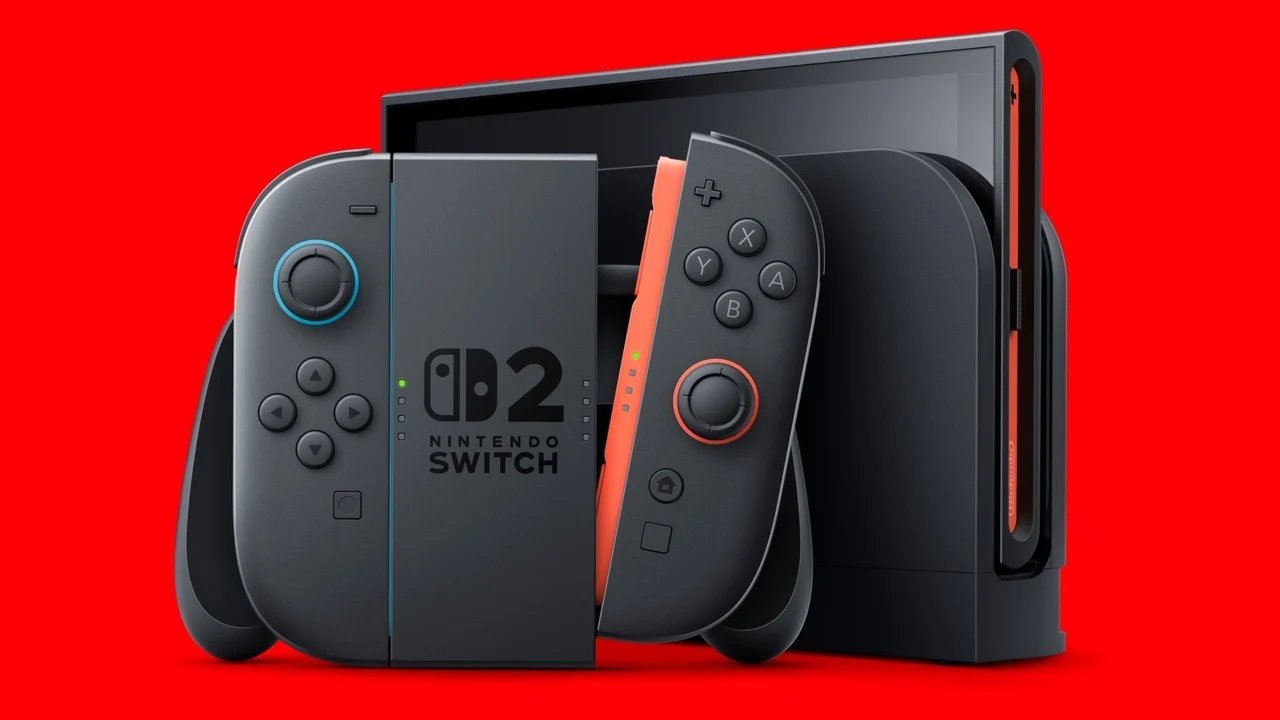
Nintendo has concluded a busy month of infrastructure maintenance with the deployment of system firmware Version 23.0.1 for both the original Nintendo Switch and the newer Nintendo Switch 2. Released on September 30, 2026, this incremental update serves as a corrective measure following the more extensive Version 23.0.0 update that arrived earlier in the month. While major firmware releases often introduce high-profile features, minor patches such as this are critical for maintaining the operational integrity of the underlying hardware software architecture.
The primary objective of Version 23.0.1 is to address specific performance regressions introduced in the previous version. Users had reported latency issues where software titles experienced extended load times during initialization, suspension, or termination. By resolving these bottlenecks, Nintendo ensures that the hardware continues to manage memory and resource allocation efficiently, preventing the system from hanging or becoming unresponsive during state transitions. This update emphasizes the technical commitment to low-latency performance that is essential for both the portability of the legacy hardware and the high-fidelity demands of the current generation.
Understanding the Impact of Firmware Patching
In the context of modern console ecosystems, firmware updates represent the bridge between hardware capability and software execution. When a system update like 23.0.1 is deployed, it often involves fine-tuning the system’s kernel—the core component of the operating system that manages processor and memory requests. The issue addressed in this release, specifically the delay in pausing or closing software, suggests an optimization conflict in how the OS handles thread management or memory cleanup during process suspension.
For the end user, these technical adjustments translate into a more responsive interface. When software takes an unusually long time to close or pause, it often points to a failure in the operating system to successfully flush data from the active memory to the storage subsystem. By correcting this in Version 23.0.1, the system can more reliably manage the transition between active gameplay and the system shell. This maintains the fluidity of the user experience, allowing for seamless task switching between applications, system settings, and the Nintendo eShop.
Building Upon the Version 23.0.0 Infrastructure
Version 23.0.1 does not operate in a vacuum; it acts as a refinement of the significant changes introduced in Version 23.0.0. The earlier release in September was a milestone for the Switch 2, notably introducing Variable Refresh Rate (VRR) output while the console is docked in TV mode. VRR is a sophisticated display technology that synchronizes the refresh rate of a display with the frame rate output of the console, effectively eliminating screen tearing and reducing stuttering in graphically demanding titles.
The inclusion of VRR support necessitated deeper changes to the display driver stack and communication protocols between the console and the television over HDMI. Version 23.0.1 functions as a stabilizing companion to these major architectural additions. By streamlining the execution speeds for software operations, the latest patch ensures that the system resources remain available to support the demands of high-performance rendering features like VRR. Without these granular corrections, the overhead introduced by new display features could potentially tax the CPU, leading to the very latency issues that this current patch successfully mitigates.
The Role of Backward Compatibility Maintenance
Beyond core system firmware, Nintendo continues to prioritize the longevity of its software catalog through targeted compatibility updates. Alongside the system-level patches, the company has released fixes for specific titles such as Ninja Five-O and Go Vacation to ensure they perform correctly on the Switch 2 hardware. These updates are distinct from firmware patches but are equally important to the ecosystem, as they verify that legacy software instructions are correctly translated for the newer hardware environment.
This dual-pronged strategy—maintaining the core firmware while simultaneously auditing legacy title compatibility—creates a cohesive software environment. When system firmware version 23.0.1 is combined with these compatibility updates, the result is a unified platform where both new flagship titles and older classics function with parity. By continuously updating the translation layers and drivers, Nintendo ensures that the Switch 2 remains a versatile platform capable of housing diverse software generations without compromising the integrity of the user’s save data or application performance.
Strategic Optimization for Future Reliability
The release of version 23.0.1 marks a critical transition point for Nintendo’s hardware roadmap as they move further into the lifecycle of the Switch 2. By addressing performance regressions quickly, the company avoids the accumulation of “technical debt,” where small, unresolved issues compound over time to degrade the user experience. The absence of “stability improvements” in the official notes—a term often used as a catch-all for background tweaks—suggests that this release is surgically focused on resolving specific documented performance hitches.
Looking ahead, users can expect that this period of fine-tuning will continue. As the adoption of high-performance features like VRR grows, the demand on the system’s background processes will increase. Version 23.0.1 serves as evidence that Nintendo is monitoring system telemetry to identify how software interacts with these new features in real time. For the average user, the takeaway is clear: keeping the console updated is necessary not only for new features but for the continuous preservation of hardware efficiency. These updates remain the most effective tool for ensuring that the transition between software states remains fast, predictable, and robust across the entirety of the current Switch product line.
Disclaimer: This content is auto-generated for informational purposes only.
Source: Read Original News