







The Evolution of the Foldable Form Factor
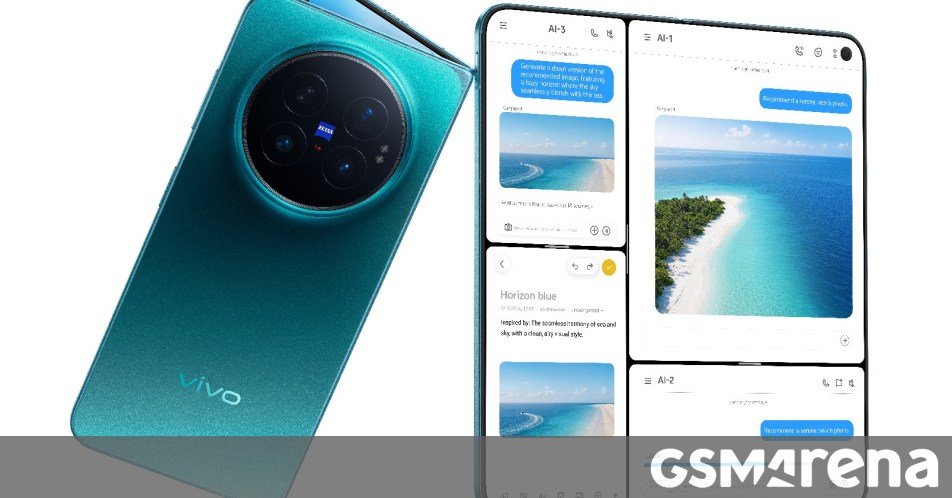
The global rollout of the Vivo X Fold 6 brings a sophisticated piece of hardware to international markets, yet it arrives at a moment where the industry’s design philosophy is shifting rapidly. For several years, the tall, narrow aspect ratio characterized the primary foldable experience. The X Fold 6 adheres to this tradition, featuring a 6.51-inch cover display with a 20:9 aspect ratio. When unfolded, the device reveals an expansive 8.02-inch primary panel that maintains an almost perfectly square shape.
In the current landscape, this design choice positions the X Fold 6 as a classic iteration of the genre. As competitors like Samsung and Apple move toward wider, more traditional smartphone dimensions for their cover screens, the X Fold 6 remains committed to the narrow profile that originally defined the category. While some users prefer the wider reach of contemporary flagships, the narrow format offers specific ergonomic benefits, particularly for one-handed operation and rapid text input while the device is closed. However, the presence of a clearly visible crease on the inner display serves as a reminder that screen engineering remains a hurdle for manufacturers looking to achieve a truly seamless transition between folded and unfolded states.
Advanced Imaging Capabilities
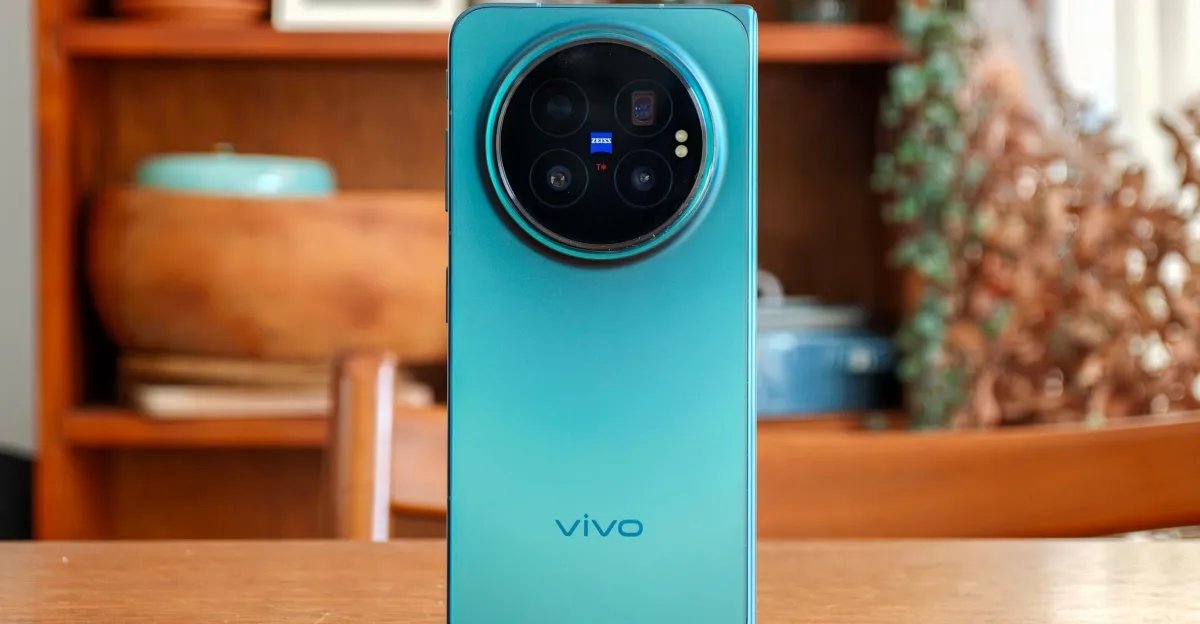
The primary argument for choosing the Vivo X Fold 6 over its contemporaries lies in its imaging system. Vivo has prioritized high-end optics, fitting the device with a 200-megapixel main sensor that measures 1/1.4 inches in size. This sensor size is significantly larger than those found in most competing foldable devices, enabling superior light gathering and natural background separation without relying solely on software-based computational photography.
Beyond the main camera, the triple-lens array is bolstered by 50-megapixel sensors for both the telephoto and ultrawide modules. This consistency in resolution ensures that users can switch between focal lengths without experiencing a significant drop in detail or color accuracy. By investing heavily in a robust camera system, Vivo is clearly targeting power users and mobile photography enthusiasts who are often forced to sacrifice image quality when moving from a traditional candy-bar flagship to a folding device. This commitment to hardware indicates that the X Fold 6 is designed to serve as a primary device for creative tasks rather than a secondary screen for content consumption.
Performance and Internal Architecture
Under the hood, the X Fold 6 is powered by a custom “Super Edition” of the MediaTek Dimensity 9500 chipset. This silicon choice reflects a broader trend of flagship-tier performance shifting away from a single provider, offering a competitive alternative to the processing power found in western-market foldables. The Dimensity 9500 is engineered to handle intensive multitasking, which is a core necessity for a device with an 8.02-inch internal display.
The integration of this processor with high-speed memory and storage allows for smooth transitions between split-screen applications and demanding gaming sessions. Furthermore, the thermal management system required to keep a device this thin running at high clock speeds is a critical component of the architecture. By utilizing a custom variant of the chipset, Vivo likely gains access to proprietary optimizations that better align the hardware with the specific folding UI and power distribution needs of the X Fold 6.
Battery Life and Longevity
Powering such an extensive display configuration requires a significant energy reservoir, and the X Fold 6 addresses this with a 6,900mAh battery. In the context of foldable smartphones, this is an impressive capacity that moves the needle on what users can expect in terms of daily endurance. For a device that acts as both a smartphone and a tablet, the strain on the battery is substantial; a 6,900mAh capacity provides a necessary buffer for power-intensive tasks like high-refresh-rate gaming or extended video conferencing on the internal display.
Regarding durability, the device features an IP59 rating. While this classification represents a robust level of protection against environmental debris and liquid ingress, it is important for consumers to recognize that it does not equal the absolute protection found on some ruggedized handsets. For an internal folding hinge mechanism, maintaining this level of ingress protection is a feat of engineering, ensuring that the device remains reliable throughout its service life despite the inherent vulnerabilities of a moving display assembly.
Market Impact and Future Outlook
The arrival of the Vivo X Fold 6 in global markets signals an attempt to challenge the dominance of established players in the international foldable arena. While it does not conform to the emerging trend of shorter, wider cover screens, its technical strengths—specifically the massive camera sensor and the high-capacity battery—provide a clear value proposition. For users who prioritize hardware specifications over the current trend toward a specific aspect ratio, the X Fold 6 offers a potent alternative.
As Vivo continues to scale its international availability, the success of the X Fold 6 will likely hinge on how it reconciles its classic form factor with the preferences of global consumers accustomed to the latest design iterations. The smartphone market is currently experiencing a period of refinement rather than radical change, and the X Fold 6 is a testament to the fact that high-performance hardware, when prioritized correctly, can remain competitive regardless of the shifting tides in design trends. The inclusion of top-tier imaging and battery life proves that the manufacturer is intent on providing a no-compromise experience for the professional user, setting the stage for future iterations that may eventually integrate the evolving form-factor preferences of the broader market.
Disclaimer: This content is auto-generated for informational purposes only.
Source: Read Original News