









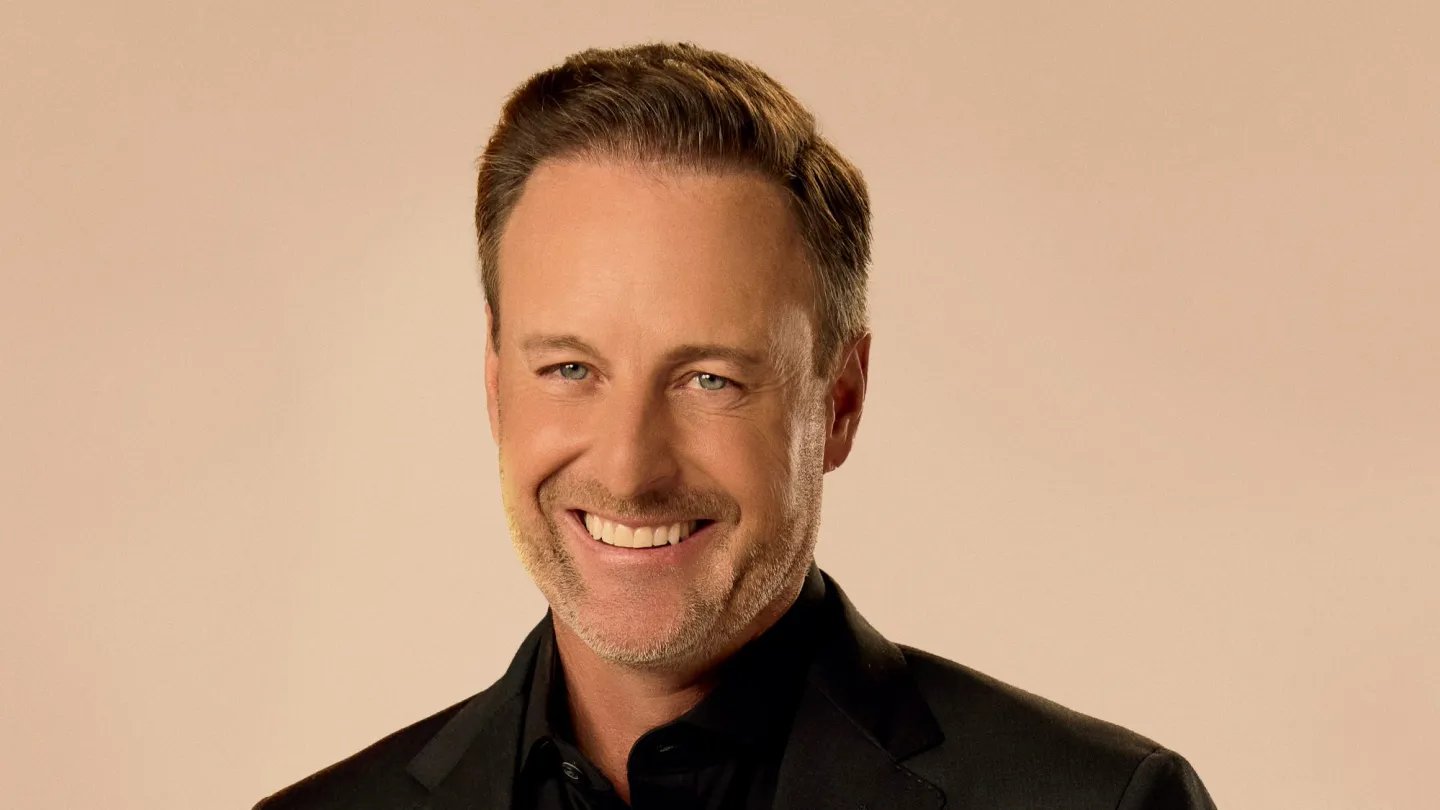
Warner Bros. Television is escalating a legal battle over the promotional strategy for Chris Harrison’s upcoming reality dating series, The Vow. The studio, which produces the long-running The Bachelor franchise for ABC, has issued a formal cease and desist notice to Fox News Media and Lionsgate, claiming that the marketing for Harrison’s new show engages in blatant intellectual property theft.
This standoff highlights the increasingly competitive landscape of the streaming-first entertainment industry, where established media giants are aggressively protecting their brand identities against encroaching rivals.
A Clash Over Brand Aesthetics
At the heart of the dispute are promotional materials for The Vow, which features Harrison—the former face of The Bachelor who stepped down from the role in 2021. According to Warner Bros. TV (WBTV), the promotional footage and imagery are not merely reminiscent of the ABC show; they are allegedly designed to confuse viewers and exploit the goodwill of the franchise.
The legal correspondence, dated September 18, cites specific visual cues utilized by Fox and Lionsgate. Among the problematic elements identified by Warner Bros. are the use of falling rose petals, a man in a tuxedo holding a rose, and the explicit inclusion of the term “The Bachelor” within on-screen text. In the eyes of the studio, these are not coincidences but a deliberate attempt to “ride on the coattails” of Warner Bros.’ highly recognizable assets.
While WBTV clarified that it does not object to Harrison hosting a new project, it argued that the current marketing strategy constitutes a violation of federal trademark, copyright, and unfair competition laws.
Fox Defends its Marketing Strategy
Fox News Media pushed back forcefully in a September 24 response, framing the cease and desist as an act of intimidation rather than a legitimate legal protection. The network’s legal team characterized the complaint as “myopic,” arguing that the themes of falling roses and the colloquial usage of the term “bachelor” are not protected by Warner Bros.’ copyrights.
“It is unfortunate that Warner Bros. is targeting Mr. Harrison in this malicious and vindictive manner,” the Fox response stated. The network further argued that the promotional materials were designed to emphasize how The Vow offers a “different approach” to dating, focusing on long-term commitment rather than the dramatic spectacle often associated with the ABC franchise. Fox concluded its defense with a pointed jab, suggesting that the studio should focus on “choosing love” rather than pursuing what they describe as “meritless claims.”
The Tech and Streaming Landscape
This legal friction underscores a broader shift in how media companies are leveraging AI-driven analytics and digital marketing to capture audience attention in a saturated market. As streaming platforms like Fox Nation fight for market share against traditional network giants, the pressure to cut through the noise—and occasionally borrow from proven successful visual formulas—has never been higher.
In the modern media environment, brand recognition is a primary currency. Warner Bros. TV is signaling that it will not tolerate the use of its proprietary visual “shorthand”—the tropes and aesthetic markers that define its reality television empire—by competitors seeking to lure away viewers.
As the debut of The Vow approaches next month, the industry is watching to see whether this dispute will force a change in the show’s marketing collateral or if it will evolve into a full-scale courtroom showdown. For now, the rift between the two media entities remains wide, serving as a reminder that even as viewing habits shift toward digital platforms, the intellectual property laws governing the content ecosystem remain as rigid and contentious as ever.
Disclaimer: This content is auto-generated for informational purposes only.
Source: Read Original News