








India-Canada Trade: Nations Aim to Scale Bilateral Partnership to USD 70 Billion
India and Canada are aggressively pushing to transform their economic ties, setting an ambitious target to increase bilateral trade from the current USD 30 billion to USD 70 billion within the next five years. This strategic shift comes as both nations enter a critical phase of negotiations for a Comprehensive Economic Partnership Agreement (CEPA), aiming to wrap up the deal in the coming months.
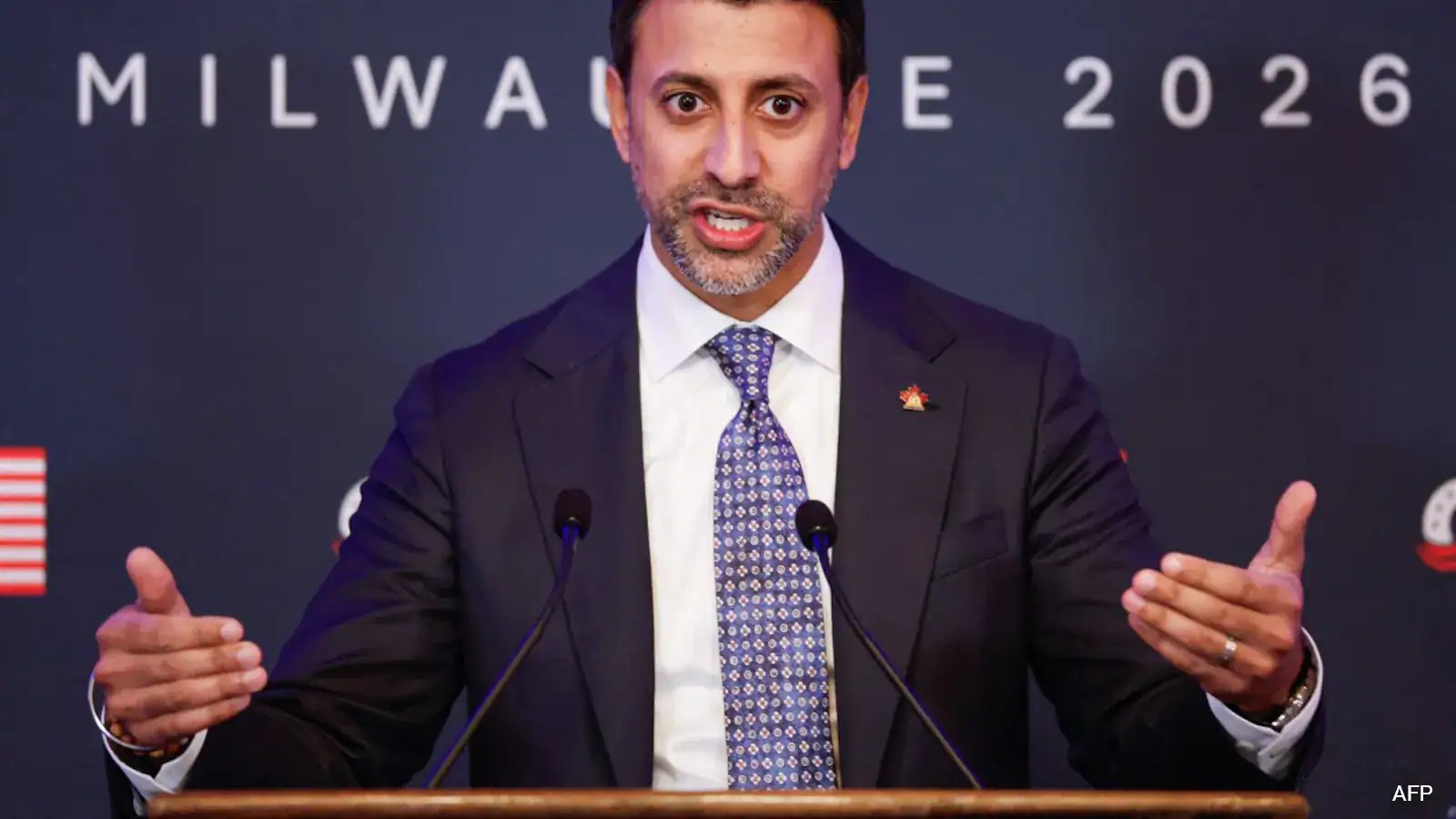
The momentum behind these talks was underscored by Canadian International Trade Minister Maninder Sidhu during the 2026 G20 Trade Ministers Meeting in Milwaukee. Emphasizing a vision of complementary growth rather than competition, Sidhu noted that the upcoming fifth round of negotiations, scheduled for Monday in Ottawa, represents a significant step forward in aligning the two economies.
A Shared Vision for Economic Integration
The commitment to this trade deal follows high-level discussions between Canadian Prime Minister Mark Carney and Indian Prime Minister Narendra Modi. Both leaders have prioritized bringing their respective nations closer, focusing on areas where their economies can leverage each other’s strengths.
“We are looking to see what we can do together to build our economies in a complementary manner,” Minister Sidhu stated. He highlighted that while trade negotiations are inherently complex, the resolve to reach an agreement by the end of 2026 remains firm. Union Commerce Minister Piyush Goyal, who recently met with his Canadian counterpart in Mumbai, echoed this sentiment, describing the next 90 days as a “defining period” for the India-Canada relationship.
Energy and Critical Minerals: The New Growth Engine
A primary driver of this economic cooperation is the energy sector. With India’s economy expanding at an annual rate of 7%, the country is projected to require 70% more energy by 2035. Canada, rich in natural resources, sees itself as a key partner in meeting this demand. The recent launch of the massive LNG Canada Phase 2 project highlights Canada’s capacity to serve as a long-term energy provider for India’s industrial growth.
Beyond energy, the two nations are exploring synergies in critical minerals. As India looks to diversify its supply chains, particularly for its burgeoning automotive and electric vehicle sectors, Canada is positioning itself as a vital supplier. Canada is currently the only country in the Western Hemisphere possessing the full suite of elements required for battery and EV manufacturing, providing a unique opening for collaboration.
Deepening Investment Roots
The partnership is already backed by a substantial financial footprint. Canada stands as the largest collective investor in India, with over USD 100 billion already committed to various sectors, including large-scale infrastructure projects like highways and airports.
Minister Sidhu also extended an invitation to Indian investors, signaling an open-door policy for reciprocal investments in Canada’s energy and mining sectors. “We want to see more cooperation, and we welcome Indian investors to our mining and energy projects so we can grow together,” he added.
A Path to Resumption
The current trajectory marks a successful revitalization of a trade dialogue that had faced a hiatus in 2023. Following a formal relaunch in March 2026, when both sides signed new terms of reference during Prime Minister Carney’s visit to India, the pace of the talks has accelerated. With bilateral trade currently sitting at approximately USD 8 billion for FY 2025-26, both governments view the upcoming months as crucial for achieving their long-term goal of a USD 70 billion trade volume, cementing a robust, future-proof partnership.
Disclaimer: This content is auto-generated for informational purposes only.
Source: Read Original News