







Rebuilding the Gears Formula from the Ground Up
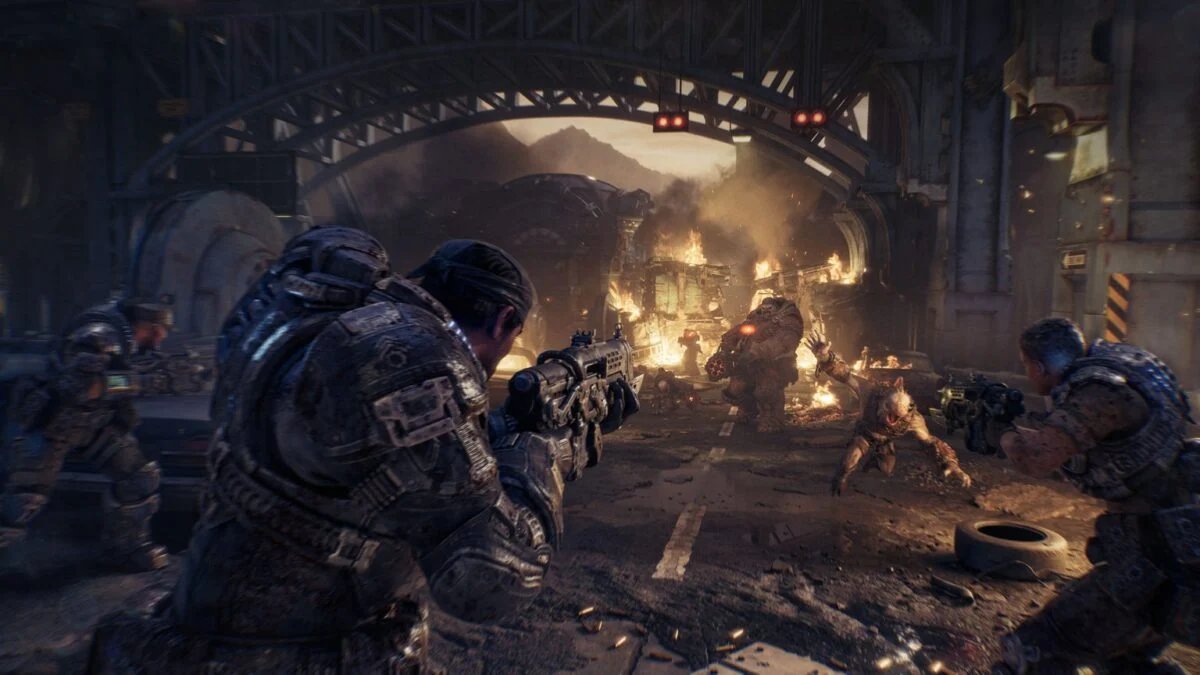
The release of Gears of War: E-Day represents a significant technical pivot for The Coalition. Moving away from the legacy codebases that powered previous entries in the franchise, the studio opted for a clean-slate approach to development. By initializing the project with what the developers describe as an empty hard drive, the team aimed to construct a more unified gameplay sandbox that bridges the gap between Campaign, Player vs. Environment (PVE), and Player vs. Player (PVP) modes.
This structural overhaul was deemed necessary to accommodate modern hardware capabilities and to implement deeper innovations in movement, cover systems, and artificial intelligence behaviors. By standardizing the underlying systems, the developers intended to create a more consistent experience where mechanical interactions—such as collision detection and projectile physics—function identically across all modes. However, this architectural transformation necessitated a difficult compromise: the exclusion of several legacy mechanics that have become synonymous with the Gears identity. Features like Chainsaw Duels and the iconic Meat Shield mechanic, which relied on specific legacy animation and collision triggers, were deemed incompatible with the new sandbox framework at launch.
Impact on Multiplayer Functionality
The most immediate point of friction for the community concerns the absence of specific multiplayer staples at the launch window. Private Lobbies and traditional Ranked leaderboards are currently unavailable, features that have served as the bedrock for the competitive Gears scene for nearly two decades. The omission of these tools stems from the decision to prioritize backend stability and a refined, modernized netcode architecture.
The Coalition has clarified that these features are not permanently excised from the intellectual property. Instead, the current launch strategy emphasizes a controlled environment where the studio can monitor data streams and server performance without the complexities of custom lobby variables. For fans of the franchise, this means a temporary shift in the gameplay loop toward public matchmaking playlists. The developer has confirmed that Ranked Versus play is scheduled to come online on October 13, serving as the first major expansion of the multiplayer ecosystem post-launch. This phased rollout suggests that the studio is prioritizing server-side optimization to ensure that competitive integrity is maintained once the ranked infrastructure is fully integrated.
Technological Innovation and Mechanical Tweaks
Beyond the loss of legacy assets, Gears of War: E-Day introduces substantial upgrades to the moment-to-moment combat experience. The traversal system has been overhauled to provide a more fluid transition between sprinting, vaulting, and locking into cover. By decoupling the camera movement from the character rig in more sophisticated ways, the developers have achieved a higher degree of responsiveness that feels distinct from previous iterations.
Furthermore, the enemy artificial intelligence has received a significant upgrade. The new sandbox allows for more emergent tactical behaviors, with enemies demonstrating improved situational awareness regarding player positioning and ammunition consumption. This iteration of the cover-based shooter forces players to manage their environment more strategically, as the reliance on old “cheese” tactics—such as predictable cover-sliding—has been mitigated by updated pathfinding and enemy aggression parameters. Feedback from the pre-launch beta phase led to precise weapon balance adjustments, particularly concerning time-to-kill metrics and active reload bonuses, ensuring that the weapon sandbox feels impactful despite the removal of certain historical items.
A Seasonal Live-Service Roadmap
The post-launch lifecycle for Gears of War: E-Day is structured around a five-season roadmap designed to reintroduce missing features while expanding the content pool. The immediate objective is to stabilize the core experience before layering in additional depth. Season 1, which runs through December 1, focuses on time-limited community events including Halloween-themed engagements and celebrations of the franchise’s 20-year history.
Following the conclusion of the first season, the roadmap shifts toward the “Legacy and Beyond” theme. This phase is specifically designed to bridge the gap between the new sandbox and the features long-time fans expect. The studio has indicated that future seasons—Infiltration, Pendulum, and Devotion—will systematically bring back fan-favorite mechanics and weapons as the new engine proves its stability. This tiered delivery method serves a dual purpose: it allows the development team to isolate potential bugs during re-integration and provides a consistent cadence of content updates that keeps the user base engaged throughout the initial year of the title’s lifecycle.
The Future of the Gears Sandbox
The shift in development strategy—likely influenced by the cancellation of other smaller projects at The Coalition—points toward a long-term commitment to this new codebase. While the current state of E-Day may feel incomplete to those accustomed to the feature-rich environments of earlier sequels, the technical foundation established here is intended to support the franchise for the next decade.
By prioritizing a unified sandbox, the developers are signaling that future iterations of Gears will no longer be hampered by the “technical debt” of legacy systems. The trade-off is a launch that prioritizes engine stability over feature parity. As the studio continues to iterate based on telemetry data and player feedback, the integration of legacy mechanics will be handled with a focus on modernization rather than simple replication. For both new players and veterans, E-Day serves as a technological reboot, placing the focus on the core combat loop while promising a iterative path toward reclaiming the breadth of content that defines the series.
Disclaimer: This content is auto-generated for informational purposes only.
Source: Read Original News