







The Mechanics of Global Food Inflation
The recent data from the United Nations’ Food and Agriculture Organization (FAO) indicating that global food prices have reached their highest level in nearly four years marks a critical juncture for the international economy. With the FAO Food Price Index climbing to 136.0 points in September, the world is witnessing the convergence of supply-side constraints, geopolitical volatility, and environmental stressors. This upward trajectory is not merely a statistical anomaly but a reflection of systemic fragility in global supply chains.
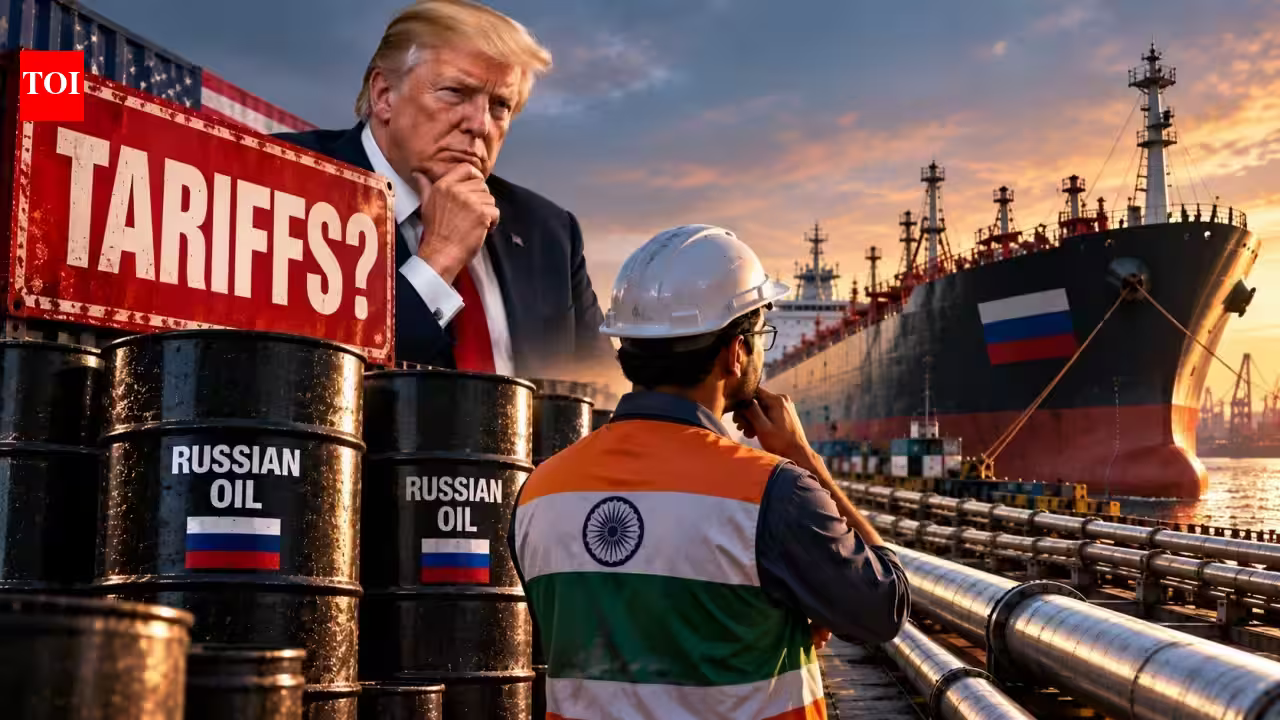
The primary drivers behind this inflation are centered on cereals, sugar, and vegetable oils. The rise in these specific commodities is heavily influenced by the restricted flow of goods through vital maritime corridors, most notably the Black Sea. Since the onset of conflict in Eastern Europe, the reliability of grain exports has been compromised, leading to significant fluctuations in wheat futures. When maritime trade routes are obstructed, the insurance, freight, and logistics costs escalate, which is invariably passed down to the consumer. Furthermore, the instability in the Strait of Hormuz—a crucial artery for energy exports—exacerbates the situation by increasing fuel costs, which in turn inflates the costs of agricultural production and transportation.
Climate Volatility and Agricultural Yields
While geopolitical tensions provide a structural floor for high prices, climate-related phenomena act as the primary catalyst for short-term price spikes. The prevalence of El Nino patterns has introduced a level of unpredictability into agriculture that modern supply chains are struggling to absorb. Sugar, for instance, has seen prices soar to 18-month highs due to weather-induced crop concerns.
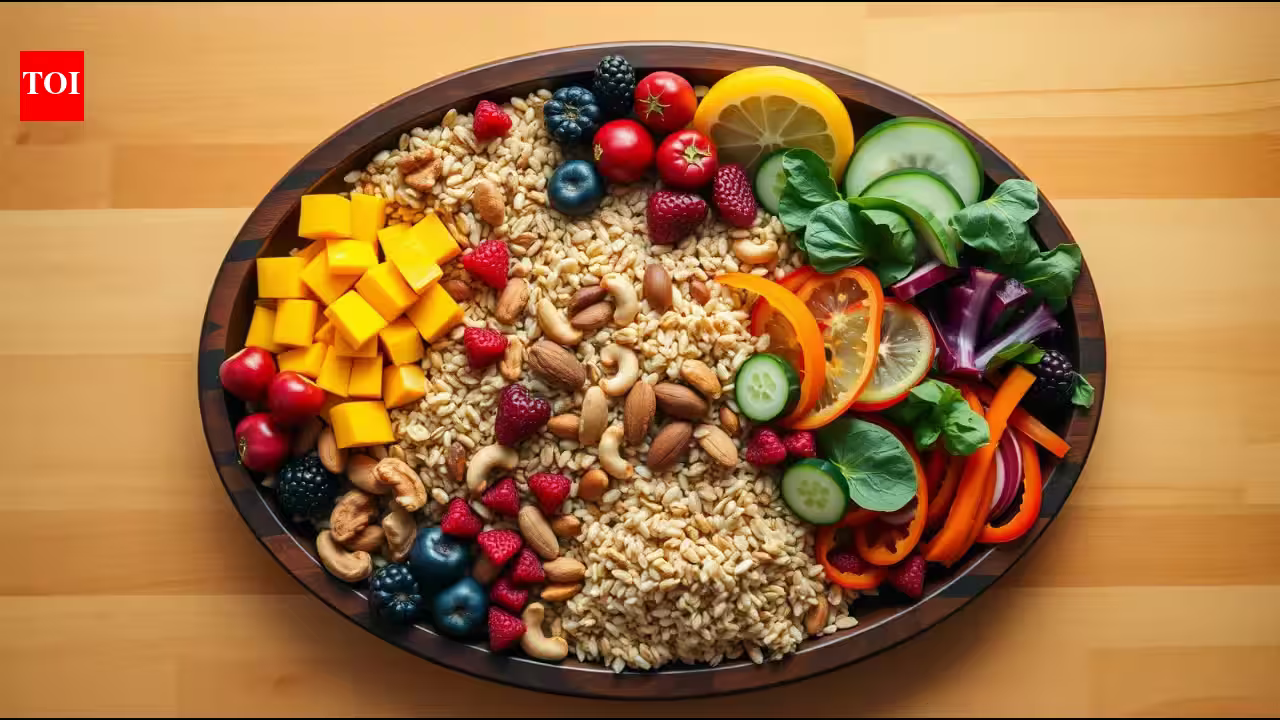
This climate sensitivity highlights an important reality: the global agricultural output is becoming increasingly vulnerable to extreme weather events. Despite the FAO forecasting a 2026 global cereal production of 2.979 billion metric tonnes—the second-largest harvest on record—the disparity between production volume and market availability is growing. The reduction in the global trade forecast for cereals by 0.7% illustrates that even when yields are high, the inability to move those goods efficiently due to logistical bottlenecks renders production statistics somewhat misleading. For the global market, the bottleneck is no longer solely about the ability to grow crops; it is about the ability to move them from surplus regions to deficit regions without incurring prohibitive logistical costs.
Implications for the Indian Economy
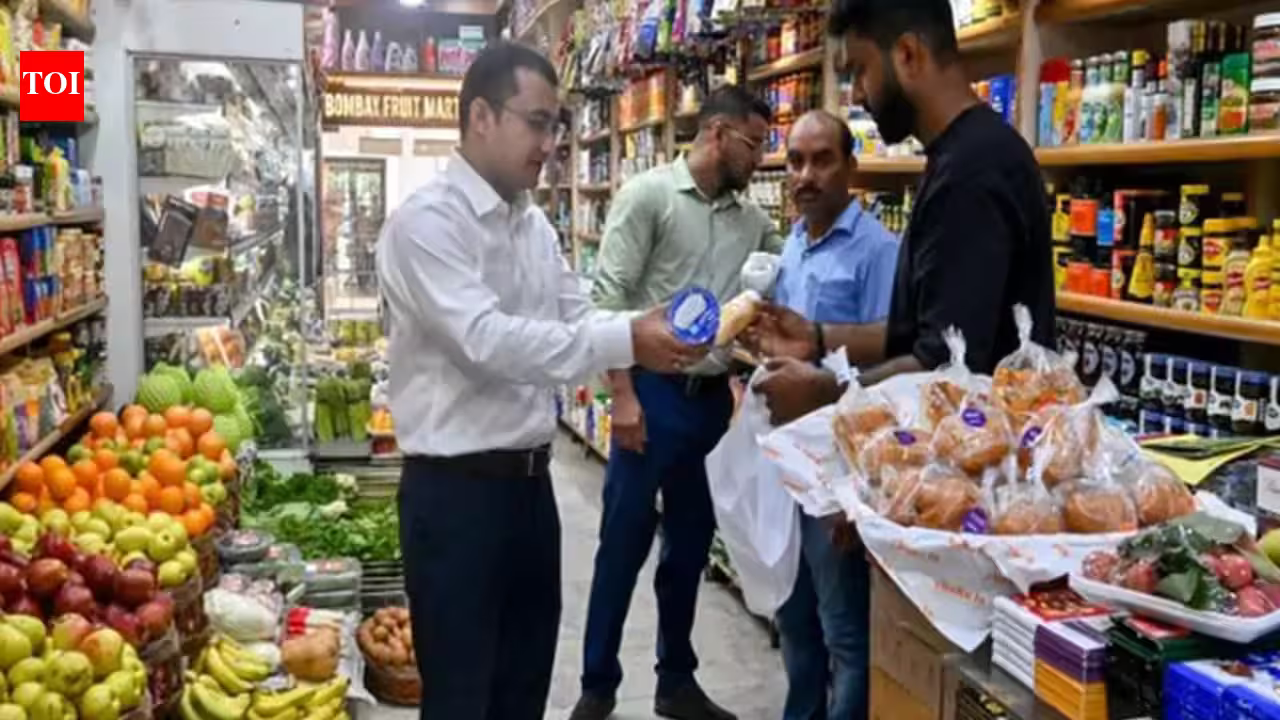
India presents a complex case study within this global narrative. As a major producer of cereals and sugar, the country is often buffered from global supply shocks by its significant domestic production. However, India is also a substantial importer of edible oils, a category that has faced consistent upward pressure in the international indices. When global vegetable oil prices rise, the inflationary impact is felt directly by the Indian consumer, affecting household budgets and the profitability of the domestic food processing industry.
Furthermore, the Indian business context is deeply integrated with global commodity cycles. For domestic food companies, rising raw material costs—specifically wheat and sugar—squeeze margins, forcing management to decide between absorbing losses or passing the price burden to consumers. In an economy where food inflation is a major constituent of the Consumer Price Index (CPI), any sustained rise in global commodity prices complicates the policy work of the Reserve Bank of India. Inflationary pressures in the food basket often restrict the central bank’s capacity to lower interest rates, thereby impacting the broader credit environment for Indian businesses. While the Indian government has frequently employed export restrictions to stabilize domestic supplies, these measures are often reactive, highlighting the need for more robust, long-term strategic reserves and logistical efficiencies.
Logistics as the New Frontier of Risk
The FAO’s report draws a direct line between the current state of food commodity markets and the broader disruptions in global shipping. The “broad-based build-up” in prices mentioned by FAO chief economist Maximo Torero is a testament to the interconnectedness of modern logistics. When energy costs fluctuate due to maritime tension, the ripple effect on fertilizer prices, harvesting machinery operation, and food processing energy consumption is immediate.
For industries involved in food export-import, the current environment necessitates a re-evaluation of risk management strategies. Reliance on just-in-time delivery models for agricultural commodities has become increasingly hazardous. Businesses operating in this space must now consider longer lead times and higher insurance premiums as part of their standard operating procedures. The transition from a focus on “lowest cost” to “supply chain resilience” is no longer a theoretical debate; it is an economic necessity. Companies that have diversified their sourcing locations and invested in local storage capacities are better positioned to navigate the volatility described in the latest FAO findings.
Future Outlook and Strategic Adaptability
Looking forward, the persistence of these price pressures will depend heavily on the evolution of geopolitical conflicts and the stabilization of international freight routes. The fact that the current index remains below the 2022 peaks seen after the start of the Ukraine conflict provides some perspective, yet the trend remains concerning. For food-import-dependent nations, the risk of “pass-through” inflation is high, and governments will likely intensify their focus on food security through increased trade protectionism or state-led procurement efforts.
For the private sector, specifically those in agriculture, food processing, and retail, the takeaway is clear: stability is not expected in the near term. The combination of structural logistical barriers and volatile weather cycles suggests that price swings will be a recurring feature of the commodity landscape. Strategic planning must now account for this heightened baseline of cost. Businesses that can leverage predictive data to anticipate supply disruptions and invest in value-added processes to mitigate the impact of raw material cost volatility will likely outperform their peers. In the current economic climate, the ability to navigate supply chain complexity has become as important as the ability to drive operational efficiency, as the global food market remains firmly in the grip of external systemic pressures.
Disclaimer: This content is auto-generated for informational purposes only.
Source: Read Original News