








A Strategic Shift in Leadership at HDFC Bank
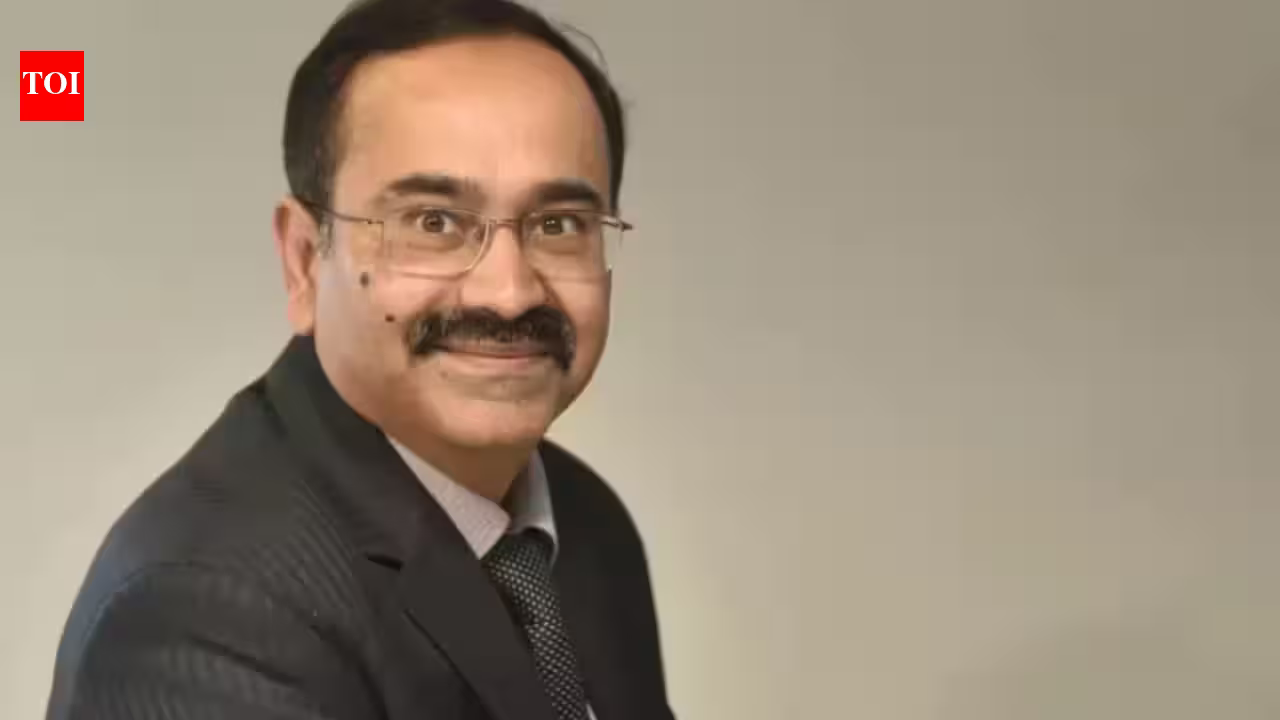
The appointment of Anup Bagchi as the future Managing Director and Chief Executive Officer of HDFC Bank marks a significant watershed moment in the landscape of Indian private banking. For decades, HDFC Bank was defined by its internal succession planning, often characterized by the long-standing stability of its leadership. By appointing an executive whose professional identity was forged within the halls of its primary rival, ICICI Bank, the board of HDFC Bank has signaled a departure from insular traditionalism toward a more pragmatic, market-oriented approach to leadership recruitment.
This transition is noteworthy not merely because of the candidate’s history, but because of the symbolic reconciliation of two banking giants. Historically, ICICI and HDFC have existed in a state of perpetual competition, each shaping the other’s evolution. HDFC Bank, often considered the gold standard for asset quality and conservative growth, now inherits a leader who understands the mechanics of its most aggressive competitor. Bagchi’s transition represents a professional coming-of-age for the Indian financial sector, where institutional loyalty is increasingly being balanced against the necessity of cross-pollination and the acquisition of diverse operational experiences.
The Professional Trajectory of a Financial Architect
Anup Bagchi’s credentials offer a comprehensive map of the modern Indian financial landscape. An alumnus of IIT Kanpur and IIM Bangalore, his academic background in chemical engineering followed by finance provided a quantitative foundation that has served him well in high-stakes environments. His early career, particularly his involvement in launching ICICI Direct during the dotcom era, positioned him at the epicenter of India’s digital retail revolution. This early exposure to tech-integrated financial services is perhaps his most relevant asset for HDFC Bank, an institution currently grappling with the challenges of scaling digital transformation while maintaining its core banking integrity.
Bagchi’s journey through the ICICI ecosystem is marked by a rare versatility. Unlike executives who remain siloed in corporate lending or retail operations, Bagchi has rotated through treasury, insurance, wealth management, and wholesale banking. This breadth of experience is critical for a position like the CEO of HDFC Bank, which is effectively a massive, multi-faceted conglomerate encompassing everything from credit cards and personal loans to complex treasury management and bancassurance. His tenure as CEO of ICICI Prudential Life Insurance, where he spearheaded significant growth in annualised premium equivalent, demonstrates his capacity for revenue generation in highly competitive, commoditized markets.
Management Philosophy and Institutional Adaptability
One of the most defining characteristics of Bagchi’s leadership style is a preference for decentralization and team autonomy. Colleagues describe a management approach that prioritizes clear strategic objectives over micro-management. In an organization as large and structurally complex as HDFC Bank, the ability to empower vertical heads without losing sight of the broader institutional mission is a vital skill. His tendency to engage with staff in public spaces like common cafeterias, rather than insulating himself behind executive suites, suggests an emphasis on organizational transparency and a desire to remain connected to the ground-level operations of the bank.
Furthermore, Bagchi is known for his ability to integrate into new environments without bringing large entourages. In the context of corporate mergers and leadership transitions, the arrival of a new CEO often leads to organizational instability as the new leader replaces legacy management with their own recruits. Bagchi’s track record of “traveling light” suggests a more evolutionary approach to change management. He is likely to respect the existing institutional culture at HDFC Bank while making incremental adjustments to strategy, rather than attempting a radical, disruptive overhaul that could risk the bank’s delicate equilibrium.
Challenges and Market Realities in the Modern Banking Era
HDFC Bank currently faces a unique set of challenges that differ significantly from the growth-focused era of the past. As India’s banking sector becomes increasingly competitive, with aggressive entry from fintech firms and the rapid digital modernization of public sector banks, HDFC Bank must balance its reputation for risk aversion with the need for aggressive digital adoption. Bagchi’s mandate will likely involve steering the bank through the complexities of its recent merger with its parent mortgage lender, HDFC Ltd, which has significantly altered the bank’s balance sheet and operational structure.
The integration of a massive housing finance book into a commercial banking infrastructure requires a leader who understands both retail consumer behavior and long-term asset-liability management. Bagchi’s experience in the insurance sector provides him with a unique vantage point on long-term capital management, a skill set that will be indispensable as HDFC Bank looks to optimize its liquidity and funding costs in a high-interest-rate environment. Moreover, the bank must navigate a regulatory environment that is increasingly focused on governance, data privacy, and customer service quality. Bagchi’s background in diverse regulatory environments within the ICICI conglomerate suggests he is well-equipped to navigate these institutional expectations.
The Future of Competition and Collaboration
The appointment of Bagchi could usher in a new era of “co-opetition” between the major private banks in India. While HDFC Bank and ICICI Bank will undoubtedly remain fierce rivals in the marketplace, having a leader at the helm who understands the internal DNA of the competition may lead to a more nuanced rivalry. It may also signal to the market that the top tier of Indian private banks is moving toward a more fluid talent market, where the movement of top-level executives serves to elevate the standards of corporate governance and operational efficiency across the board.
For stakeholders and investors, the move is a signal of continuity combined with modernization. The HDFC Bank board has essentially hedged its bets: it has secured a candidate with deep, established ties to the traditional Indian banking system while ensuring that he brings a refreshed, outsider perspective on digital innovation and systemic agility. As Bagchi steps into the role, the focus will shift from his origins to his execution. His ability to maintain the bank’s pristine asset quality while reclaiming the momentum in retail market share will be the primary metric by which his tenure is judged.
Ultimately, the selection of Anup Bagchi is a validation of the professionalization of Indian management. It highlights the importance of pedigree, broad functional experience, and an adaptable leadership style in navigating one of the most demanding CEO roles in the Indian corporate sector. If he can successfully translate his experiences from the ICICI group into the specific, high-pressure context of HDFC Bank, he may well prove that the most effective way to lead a legacy institution into the future is to embrace the lessons of its closest peers while remaining firmly grounded in the principles of disciplined, sustainable growth.
Disclaimer: This content is auto-generated for informational purposes only.
Source: Read Original News