









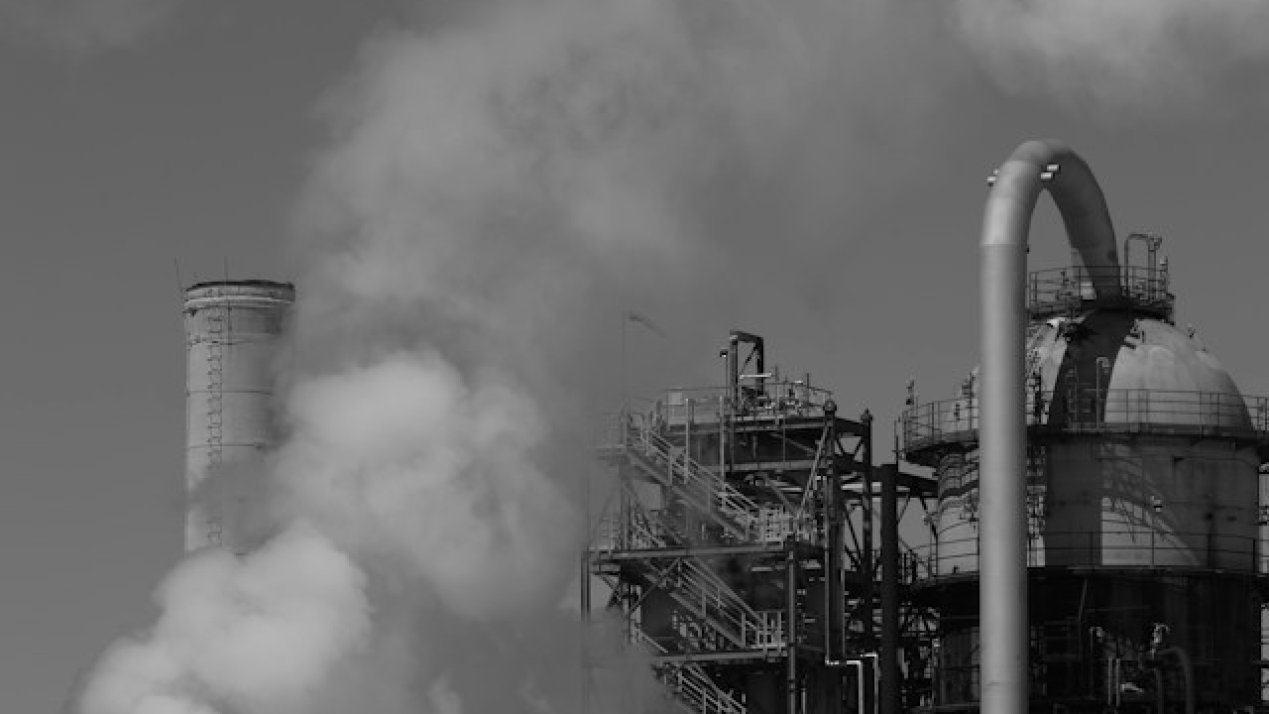
Mexico’s energy strategy is navigating a high-stakes crossroads as global oil benchmarks push past the US$100-per-barrel threshold. While the state-owned oil company, PEMEX, has successfully reduced dependency on foreign fuel imports, this progress has come at the cost of its traditional role as a major crude oil exporter. As the world faces volatile energy markets and supply chain disruptions, Mexico must balance the pursuit of domestic energy sovereignty against the urgent need for the foreign currency generated by exporting raw oil.
## Global Market Volatility and Operational Realities
In mid-September 2026, international oil markets experienced significant turbulence. Brent futures reached US$109.29/b, while WTI hit US$104.26/b, triggered by geopolitical instability in the Middle East and restricted maritime transit. These disruptions have sent shockwaves through the global economy, pushing US retail diesel prices to record highs of US$6.06 per gallon.
For PEMEX, these soaring prices present a double-edged sword. While global competitors are reaping record profits, Mexico’s extraction levels have hit historic lows. Data indicates that crude extraction dropped to 1.33 million barrels per day (MMb/d) in August, a 2.7% decline from the previous year. This output represents the lowest monthly volume since 1990. Consequently, as PEMEX redirects more of its dwindling supply to feed its domestic refineries—such as the newly operational Olmeca refinery in Dos Bocas—its ability to participate in the lucrative export market is severely constrained.
## The Strategy Behind Refining Sovereignty
Despite the loss of export revenue, industry experts argue that prioritizing domestic refining remains a sound long-term economic strategy. José Verdugo, a fuel and refining analyst for S&P Global, notes that the global surge in refined product prices—such as diesel and jet fuel—has outpaced the price of unrefined crude. By processing oil locally, Mexico adds value to its raw resources, theoretically insulating itself from the extreme volatility of global refined product markets.
The success of this pivot is visible in the numbers. Mexico has managed to slash its import dependency for gasoline and diesel to 44%, a significant improvement from the 67% dependency seen just a few years ago. By rehabilitation of existing facilities and the ramp-up of the Dos Bocas complex, PEMEX is moving toward a self-sustaining model. However, this shift remains vulnerable; current national inventory levels for gasoline and diesel cover less than 10 days of demand, leaving little room for error if a major supply disruption occurs.
## Tech and Industrial Implications for Stakeholders
The ongoing transformation of Mexico’s energy landscape is not occurring in a vacuum. It relies heavily on increasingly sophisticated data analytics and AI-driven monitoring systems. PEMEX’s operational shift involves intricate supply chain management, where digital twin technology and cloud-based predictive maintenance are essential to ensure that aging refineries, alongside new infrastructure, maintain maximum throughput.
For the industrial manufacturing sector, these shifts are critical. Stable access to diesel and other middle distillates is the lifeblood of logistics and supply chains. As Mexico maneuvers through this transitional phase, the digital integration of its refining infrastructure becomes paramount for stakeholders looking to avoid the shortages that have plagued other regions. Analysts suggest that until major deepwater assets like Trion and Zama come fully online, the country will continue to balance on a thin margin. The ability to leverage advanced data tools to optimize extraction and refining efficiency will ultimately determine whether Mexico can successfully sustain its path toward energy independence while maintaining the fiscal stability required for long-term growth.
Disclaimer: This content is auto-generated for informational purposes only.
Source: Read Original News