








Ontario is facing an increasingly complex environmental landscape as provincial authorities and climate scientists grapple with the dual challenges of rapid urbanization and the protection of vital natural corridors. As Canada’s most populous province, Ontario serves as a critical bellwether for how the nation balances economic expansion with the urgent need for environmental conservation.
Recent data concerning land-use policies and regional development in the province have sparked a renewed debate among policymakers and ecological advocacy groups. At the heart of the discourse is the preservation of Ontario’s biodiversity, particularly within the Greenbelt, a protected area of nearly two million acres of farmland, forests, wetlands, and watersheds. Maintaining the integrity of these ecosystems is viewed by experts as essential for climate resilience, flood mitigation, and the security of the province’s agricultural output.
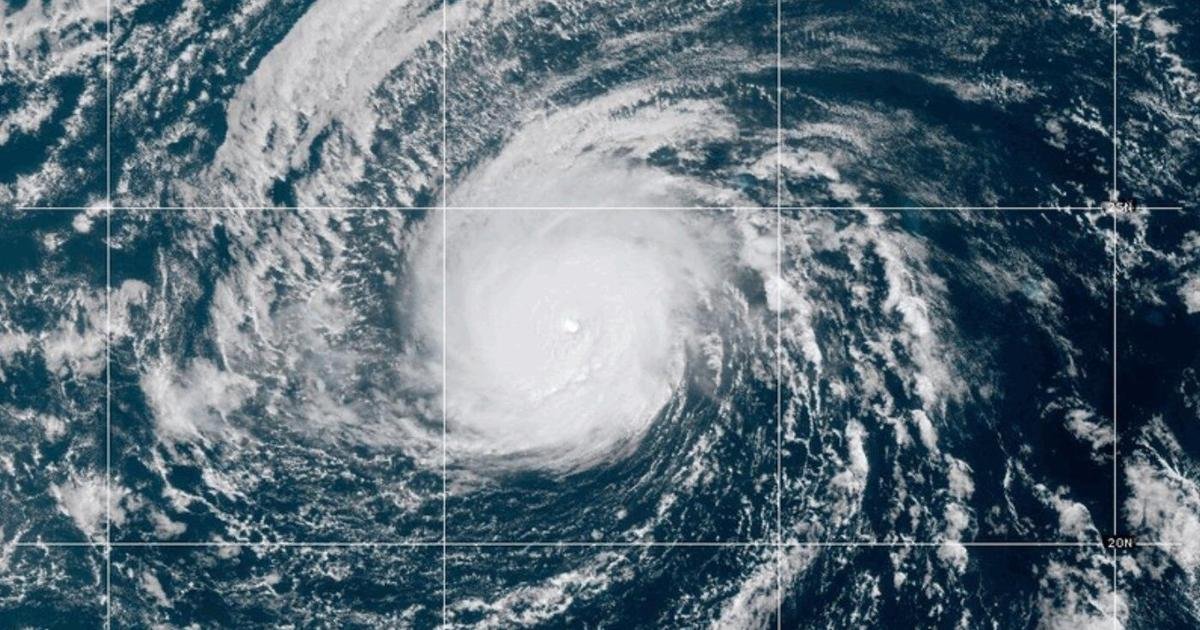
The environmental stakes are high. Ontario’s geography is diverse, spanning from the industrial hubs in the south to the vast, carbon-sequestering boreal forests of the north. Scientists note that the warming climate is shifting the migratory patterns of wildlife and altering the health of the Great Lakes, which hold roughly 20 percent of the world’s surface freshwater. Stressors such as agricultural runoff, urban sprawl, and the introduction of invasive species continue to pose significant risks to these aquatic ecosystems.
In response, provincial environmental agencies have begun emphasizing the integration of “natural infrastructure” into urban planning. This approach advocates for the restoration of urban wetlands and the expansion of green spaces to manage stormwater and mitigate the “urban heat island” effect, which has become increasingly problematic in densely populated regions like the Greater Toronto Area. By investing in nature-based solutions, proponents argue, Ontario can reduce the long-term costs associated with climate change-induced disasters, such as extreme flooding and severe heat waves.
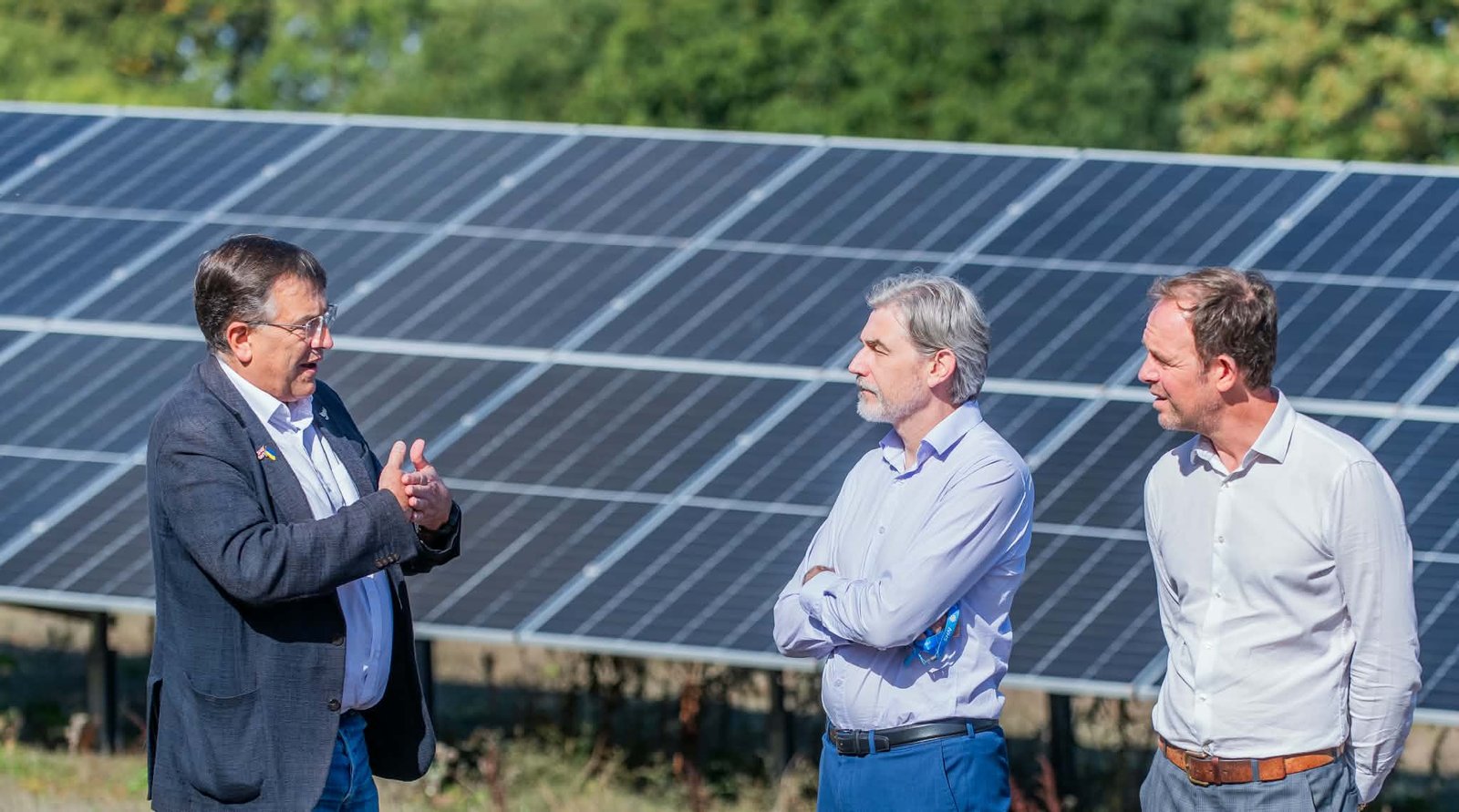
Simultaneously, there is an ongoing push to transition the province’s energy sector toward greater sustainability. While Ontario historically relies heavily on nuclear and hydroelectric power, current policy discussions are focused on the integration of emerging green technologies and the electrification of transportation. These shifts are being watched closely, as the energy sector remains the province’s largest contributor to greenhouse gas emissions. Ensuring that this transition does not compromise the natural habitats required for new infrastructure remains a delicate balancing act.
Local conservation authorities are also stepping up efforts to engage the public in long-term stewardship. Citizen science programs and community-led restoration projects are gaining momentum, reflecting a growing public awareness of the intrinsic link between human health and the health of the provincial environment. From the protective regulations surrounding the Niagara Escarpment to the management of forestry practices in Northern Ontario, the strategy relies on both top-down regulatory frameworks and bottom-up community participation.
As Ontario moves forward, the consensus among environmental scientists is clear: the path to a sustainable future requires a rigorous, data-driven approach that prioritizes long-term ecological health over short-term developmental gains. With the climate continuing to fluctuate, the decisions made today regarding land use, water protection, and energy policy will dictate the environmental legacy of the province for generations to come. The challenge remains to harmonize a growing economy with the fundamental necessity of preserving the natural capital that sustains all life in the region.
Disclaimer: This content is auto-generated for informational purposes only.
Source: Read Original News