








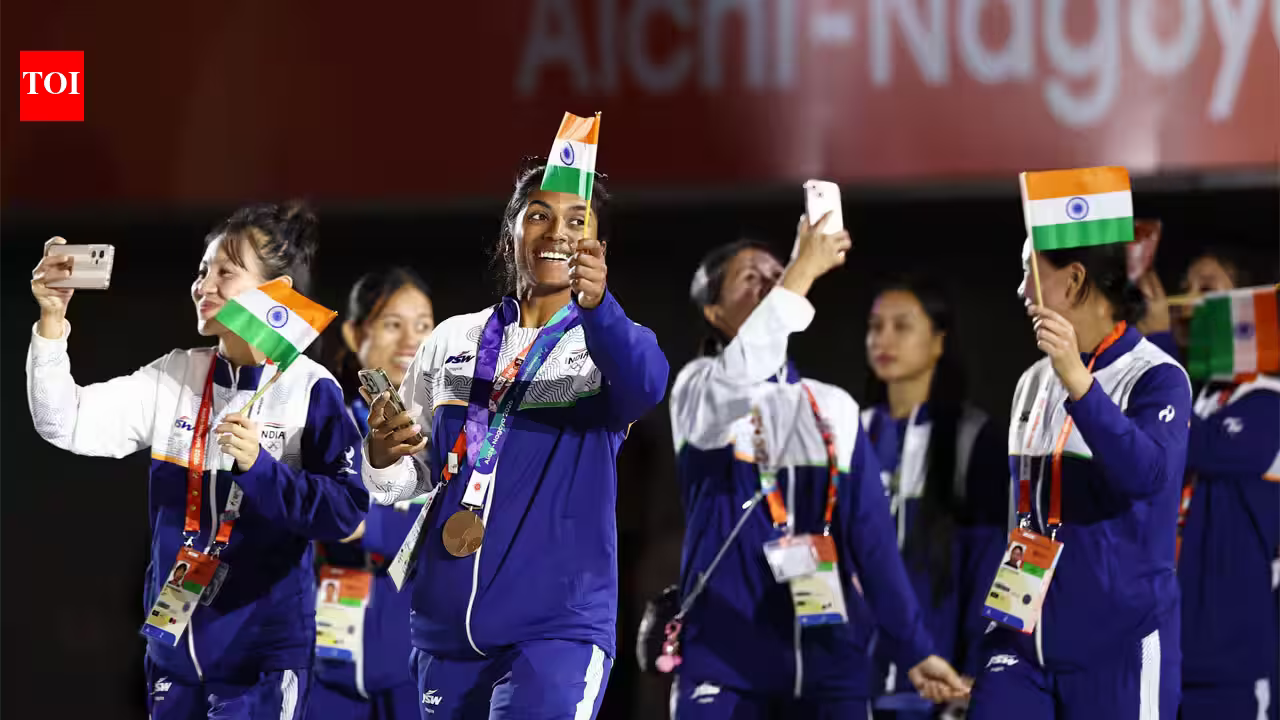
AICHI-NAGOYA — The 20th Asian Games reached a spectacular conclusion on Sunday, as the Mizuho Park Athletic Stadium played host to a glittering farewell ceremony that celebrated the spirit of unity under the theme “One Asia.” With the Olympic Council of Asia (OCA) President Sheikh Joaan bin Hamad Al Thani officially declaring the Games closed, the sporting world’s gaze now shifts toward the Arabian Peninsula, as Doha prepares to take up the mantle for the 2030 edition.
Over the past two weeks, Aichi-Nagoya has been a crucible of high-stakes athleticism, witnessing 17,000 athletes and officials compete across a sprawling, modern program of 43 sports. From the high-intensity debut of padel and mixed martial arts to the traditional grit of track and field, the Games once again served as a testament to the continent’s evolving and deepening competitive landscape.
India finishes fourth with 85 medals
For the Indian contingent, the 20th Asian Games were a masterclass in resilience and growth. India concluded its campaign with a formidable tally of 85 medals—comprising 21 gold, 27 silver, and 37 bronze—securing a commendable fourth-place finish in the overall medal table. While the final count dipped slightly from the historic 100-medal milestone achieved at Hangzhou 2023, the performance solidified India’s standing as a rising continental powerhouse.
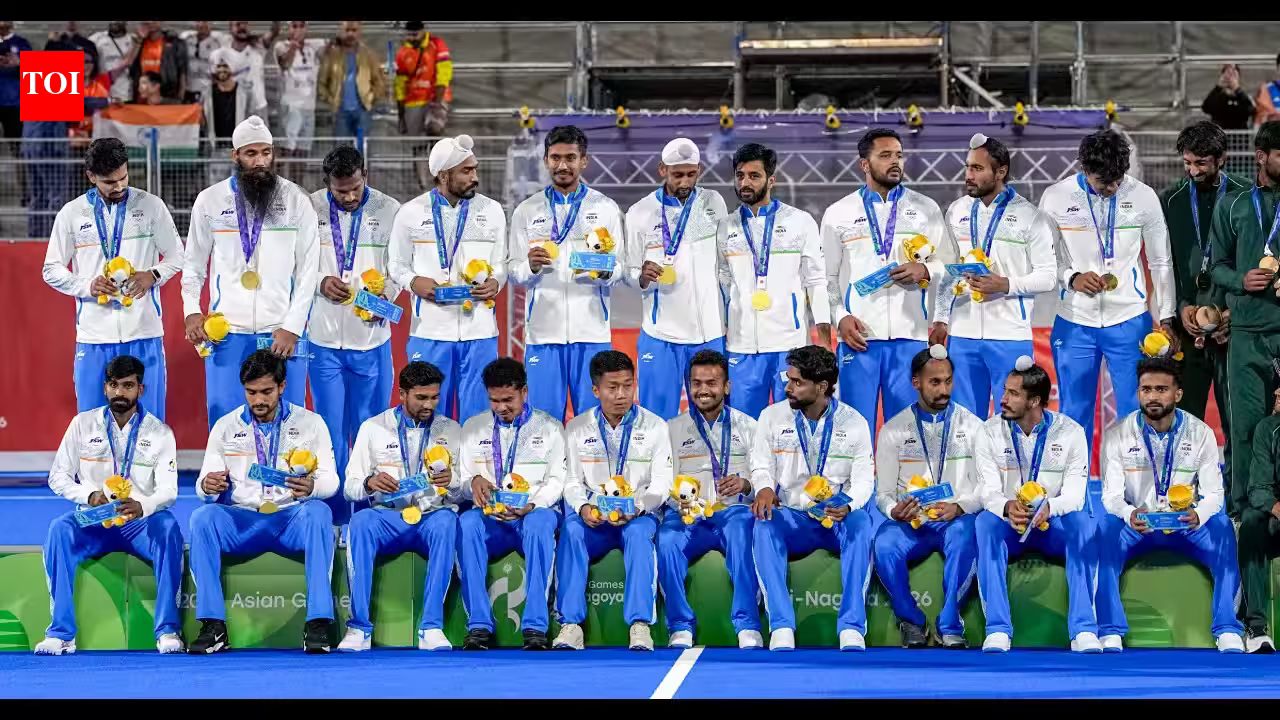
The spotlight at the closing ceremony rested firmly on flag-bearer Neeru Dhanda, whose extraordinary performance in the shooting range yielded two gold medals and a silver, marking her as one of the standout athletes of the Games. Beyond the individual brilliance of stars like Dhanda, the collective success of India’s hockey programs provided a pivotal narrative, with gold-medal finishes that effectively punched the team’s ticket to the Los Angeles 2028 Olympic Games. This consistency across disciplines—from boxing and athletics to tactical team sports—signals a maturation in India’s high-performance ecosystem.
Doha receives the baton for 2030
The formal handover ceremony, characterized by grandeur and anticipation, saw Qatari representatives receive the OCA flag. For Doha, the 2030 Games will represent a return to center stage, as the city builds upon the legacy of its first hosting duty in 2006.
The Aichi-Nagoya Games were defined by massive scale, featuring 469 gold-medal events. China continued its regional dominance, topping the leaderboard with a staggering 169 gold medals. Their total haul of 341 medals serves as a historic high for the nation in an event hosted outside its own borders. Hosts Japan also had much to celebrate, finishing a strong second with 83 golds and 269 medals—a performance that shattered their previous record set at the 1994 Hiroshima Games.
Sporting brilliance amid organisational challenges
While the records fell and new stars were minted on the field, the 20th Asian Games were not without their hurdles. The organizing committee faced significant scrutiny regarding the logistics of the event. In a departure from traditional host models, Aichi-Nagoya opted against the construction of a centralized athletes’ village. Instead, the decentralized housing strategy—utilizing a mix of hotels, modular units, and even a cruise ship—sparked consistent criticism from national delegations.
Reports of registration delays, friction in room allocations, and unreliable shuttle networks plagued the early days of the tournament. These operational bottlenecks, coupled with occasional diplomatic friction and accessibility issues that kept venue attendance lower than anticipated, provided a stark contrast to the brilliance displayed in the arena.
Despite these logistical shortcomings, the narrative of the Games will ultimately be shaped by the caliber of competition. The rise of young phenoms, such as Chinese swimming sensation Yu Zidi and the multi-gold-medal winner Zhang Zhanshuo, reminded spectators why these Games remain the crown jewel of Asian sports.
As the stadium lights dimmed in Aichi-Nagoya, the prevailing sentiment was one of optimism. The lessons learned in Japan will undoubtedly serve as a blueprint for Doha 2030. For now, the continent bids farewell to a chapter defined by both the growing pains of a modern multi-sport event and the undeniable, awe-inspiring talent of Asia’s finest athletes. The baton has been passed, and the four-year countdown to the next continental showdown has officially begun.
Disclaimer: This content is auto-generated for informational purposes only.
Source: Read Original News