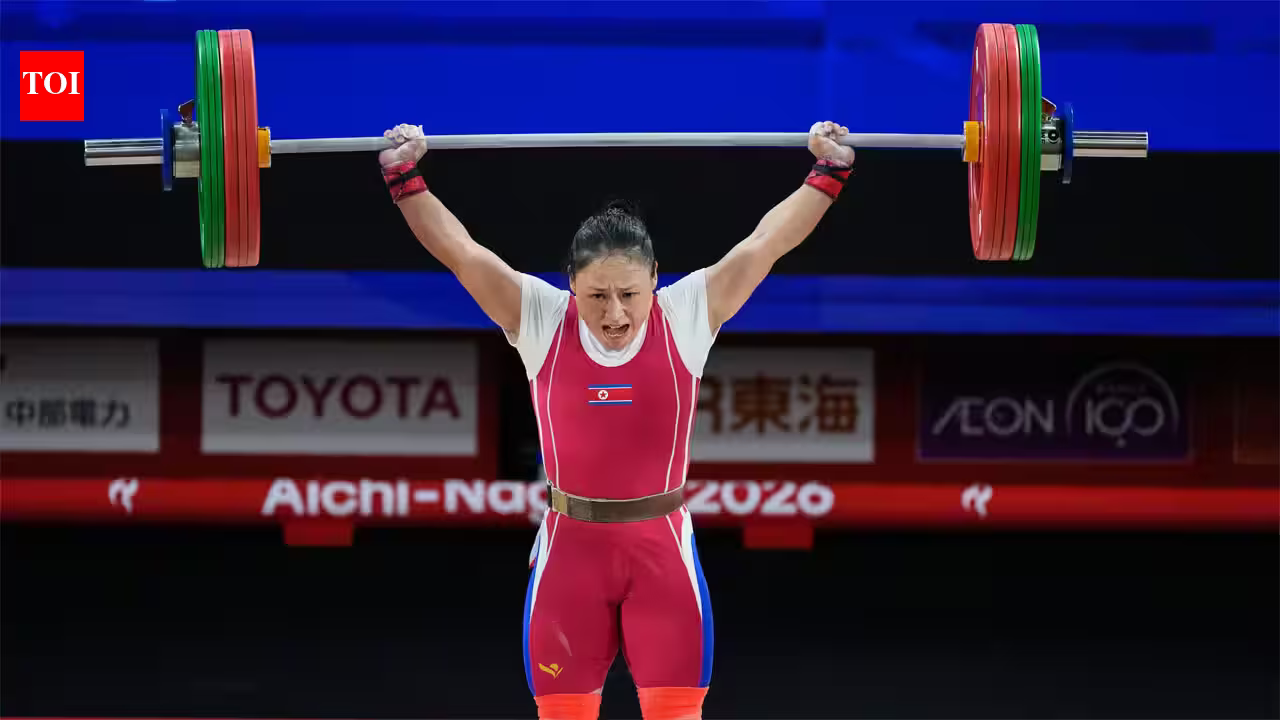









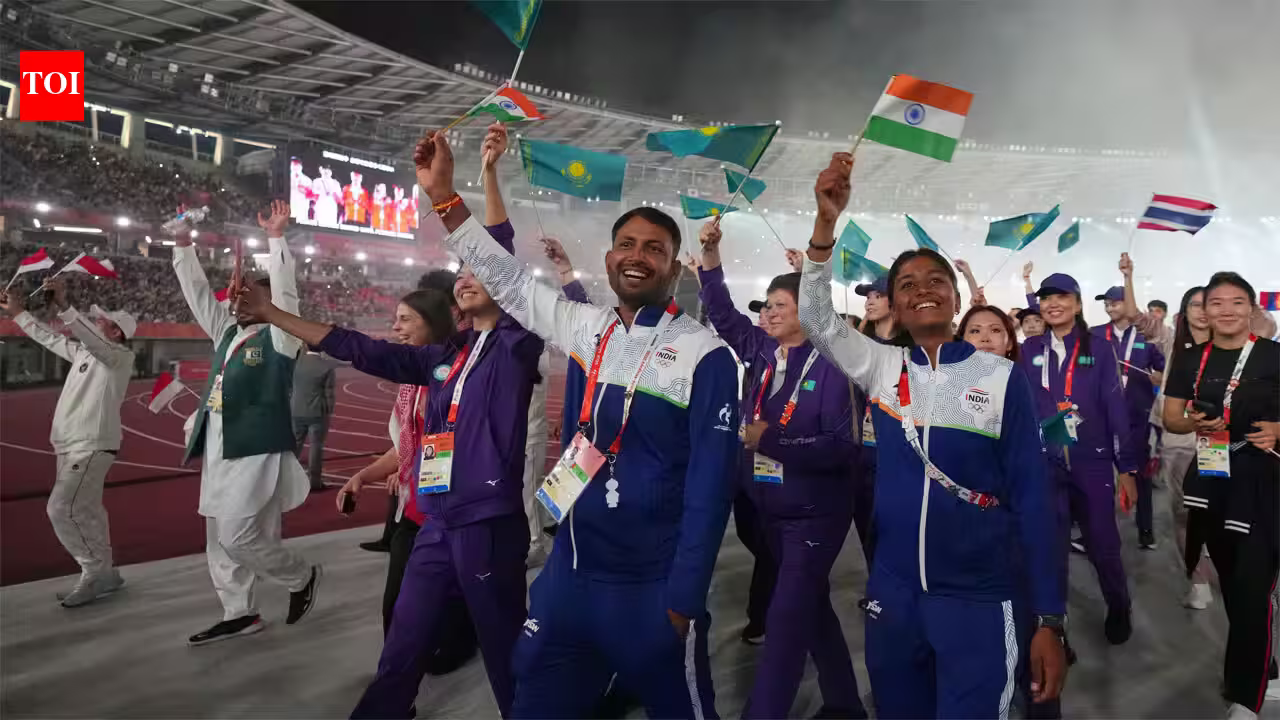
Aichi-Nagoya marked a significant chapter in India’s sporting evolution, but for Olympic gold medallist Abhinav Bindra, the conclusion of the 2026 Asian Games serves as a starting gun for a much larger mission. As the dust settles on a campaign that saw Team India secure a commendable fourth-place finish with 85 medals, the legendary shooter has issued a rallying cry for the nation to pivot its focus toward the imminent challenge of the Los Angeles 2028 Olympic Games.
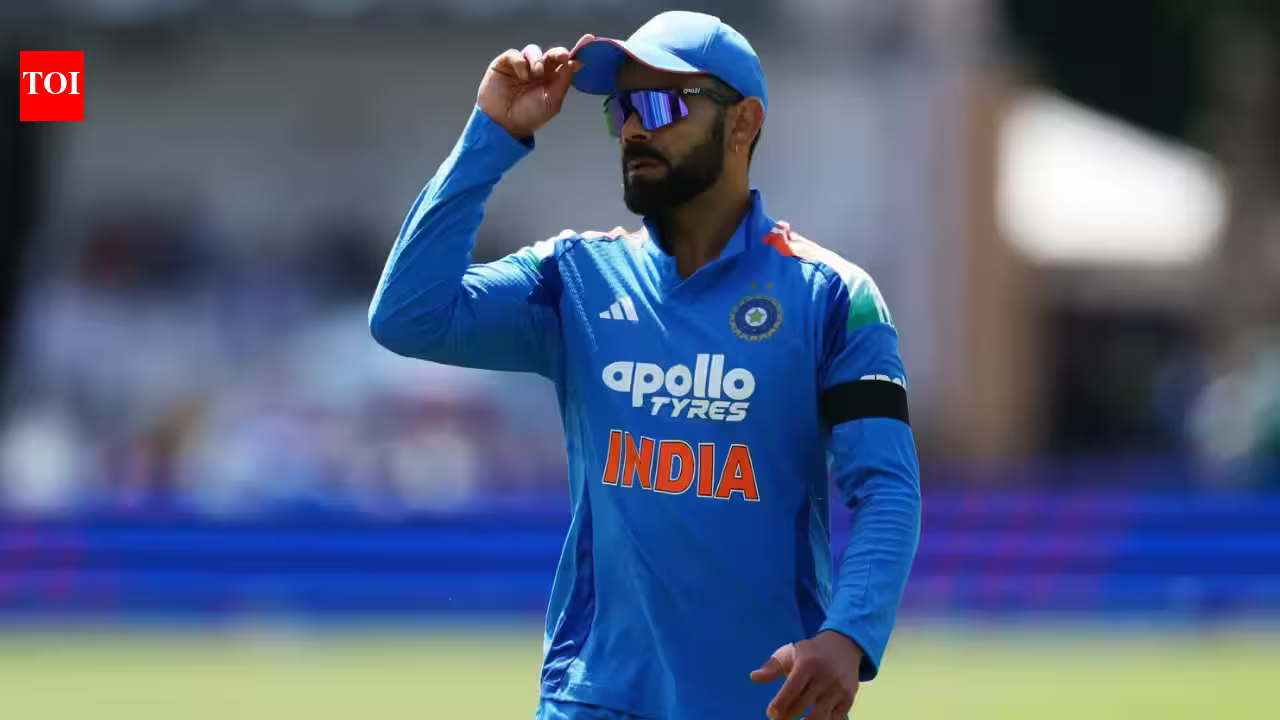
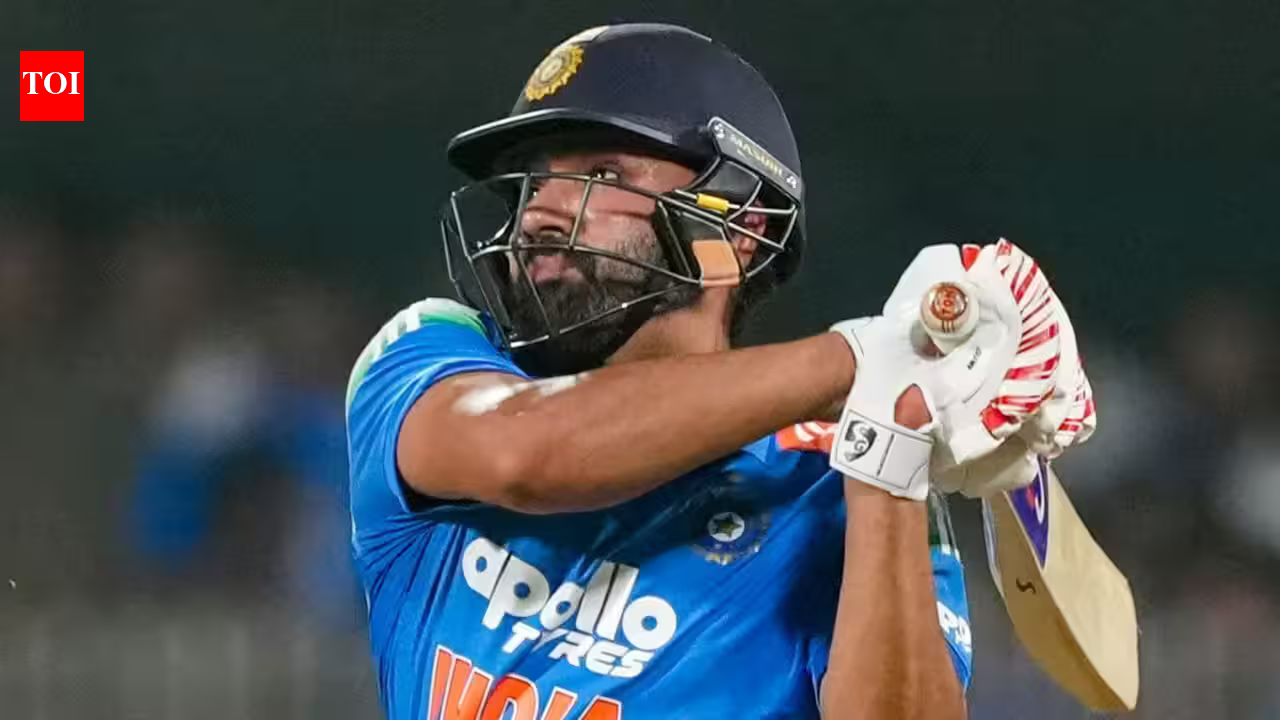
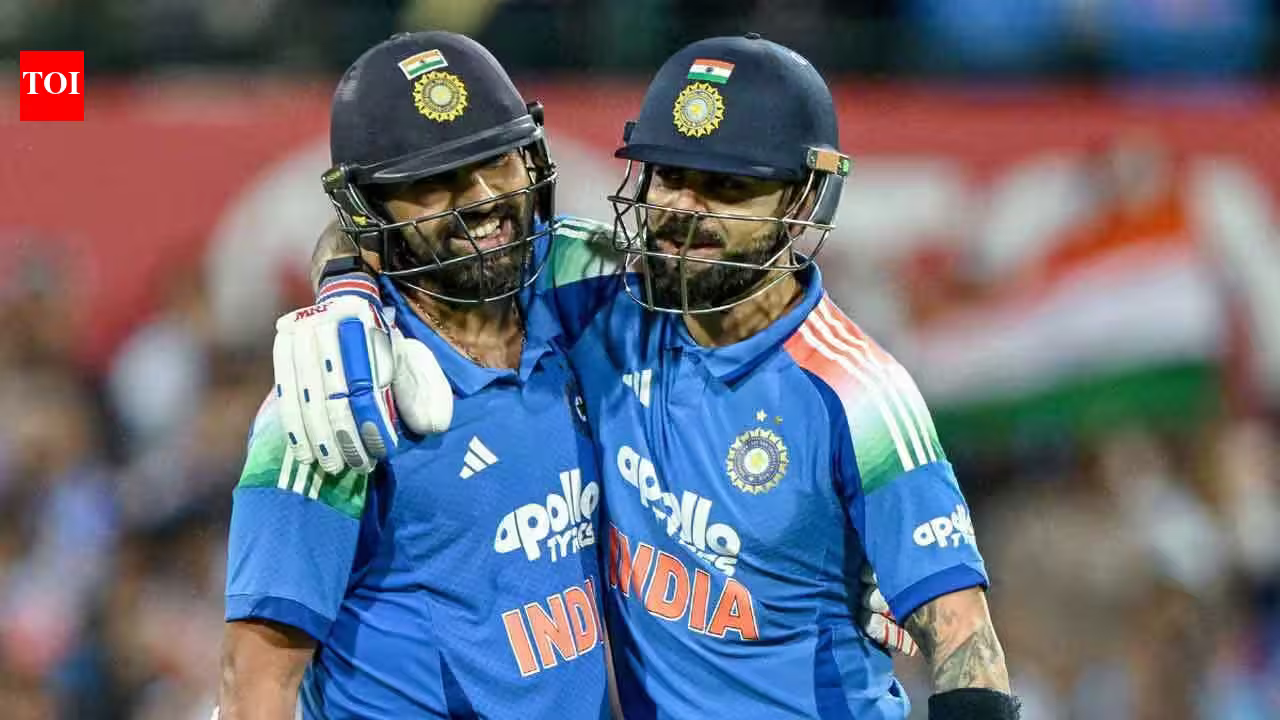
India’s performance in Japan—comprising 21 gold, 27 silver, and 37 bronze medals—while impressive, represented a slight dip from the record-breaking 106-medal haul achieved at Hangzhou 2023. Yet, the narrative of these Games was defined by more than just raw numbers; it was characterized by dominant displays in team sports, including gold-medal sweeps in cricket, kabaddi, and hockey, and the emergence of a new generation of talent ready to transition to the global stage.
‘Enormous respect to our athletes’
In a heartfelt and analytical statement released via social media, Bindra, who etched his name in history with his 10-meter air rifle gold at the 2008 Beijing Games, sought to humanize the grueling reality behind the podium finishes. He emphasized that a continental campaign is merely the tip of an iceberg, the culmination of years of invisible labor.
“A Games campaign is never just the few days we see on television,” Bindra wrote. “It is years of early mornings, injuries, doubts, missed occasions, and countless hours of work. So first and foremost, enormous respect to our athletes and also to their families who live this journey with them and make sacrifices that are rarely seen.”
Bindra extended his gratitude to the broader sporting ecosystem—coaches, support staff, the Sports Authority of India (SAI), and government bodies—acknowledging their vital role in the infrastructure of success. However, his praise was balanced by a call for professional introspection. He noted that while breakthroughs by young athletes provide reasons for optimism, the inevitable disappointments of the Games must be treated as critical data points rather than hushed failures.
“There have been some terrific breakthrough performances at these Games,” Bindra noted. “There have also been disappointments. That is sport, and every Games will have them. What matters now is how honestly we learn from them.”
The Blueprint for High Performance
The core of Bindra’s message rests on the modernization of India’s high-performance ecosystem. For years, the criticism of India’s sporting policy has been its reactive nature—often pouring resources into athletes only once they have entered medal contention. Bindra argues that this model is no longer sustainable in a hyper-competitive international landscape.
“High performance cannot only be about reacting when an athlete is close to a medal,” he asserted. “We have to keep building systems that understand the athlete over several years.”
According to Bindra, a world-class system requires a holistic integration of sports science, data-driven decision-making, and precise long-term planning. He specifically highlighted training-load management, mental resilience, and injury prevention as non-negotiable pillars for any athlete vying for Olympic glory. Perhaps most pointedly, he warned against the “too little, too late” approach, insisting that the correct expertise must be accessible to athletes at every developmental stage of their careers, rather than only during the final push for an Olympic cycle.
‘LA is less than two years away’
The urgency in Bindra’s tone is driven by the calendar. With the Los Angeles Olympics less than 24 months away, the margin for error is razor-thin. In the world of elite Olympic sports, two years is a blink of an eye, and the athletes who will stand on the podium in 2028 are likely already deep into their preparation cycles.
For the Indian sporting establishment, Bindra’s message is clear: celebrate the hardware brought home from Nagoya, but do not mistake these results for the final destination. The transition from Asian supremacy to global relevance requires a shift from sporadic bursts of support to a sustained, high-performance culture.
As the Indian contingent returns home, the roadmap for Los Angeles remains the ultimate test. Bindra’s parting words serve as both a mandate and an encouragement for the country’s elite: “Be proud of what has been achieved. Learn from these Games and keep moving forward.”
The path to Los Angeles is officially open. Whether India can build on the foundation laid in Nagoya to make a historic impact in 2028 will depend on how quickly and effectively they act on the lessons learned in the wake of these Games.
Disclaimer: This content is auto-generated for informational purposes only.
Source: Read Original News