







The ongoing conflict involving Iran is inflicting severe and potentially irreversible damage on the sensitive marine and coastal ecosystems of the Persian Gulf. According to a new analysis published in the International Journal of Research and Innovation in Social Science, military strikes, oil spills, and the destruction of critical coastal infrastructure have created a compounded ecological crisis, exacerbating existing pressures from climate change, industrial development, and unsustainable resource exploitation.
The Persian Gulf is a globally significant biodiversity hotspot, hosting more than 700 species of fish and serving as a vital sanctuary for dolphins, whales, dugongs, sharks, and various endangered sea turtles. Furthermore, its extensive mangroves and seagrass beds are essential for carbon sequestration and coastal protection. Researchers warn that these habitats are now at the center of an escalating environmental emergency as the conflict directly threatens the biological integrity of the region.
The environmental fallout is primarily driven by the contamination of marine waters. Attacks on tankers and energy infrastructure have resulted in significant oil releases. The toxicity of this crude oil poses a lethal threat to marine life, causing direct harm to the cardiac, respiratory, and immune systems of animals. Furthermore, the neurotoxic components of oil can disrupt the sensory processing and navigation capabilities of marine mammals, leaving them disoriented in a volatile environment.
A primary example of this degradation is the Iranian vessel Shahid Bagheri, which was struck in March. Following the strike, the vessel remained grounded in the shallow waters near Qeshm Island for at least a month, leaking heavy oil into the Khuran Strait. Despite the urgency of the situation, cleanup efforts have stalled due to persistent maritime tensions and the disruption of critical communication infrastructure. The interference with GPS and AIS signals has effectively blocked international environmental response teams from coordinating a containment strategy. Models indicate that prevailing currents have already carried the contamination toward the Hara wetlands, a UNESCO-recognized biosphere reserve that serves as a crucial habitat for migratory birds and endangered species.
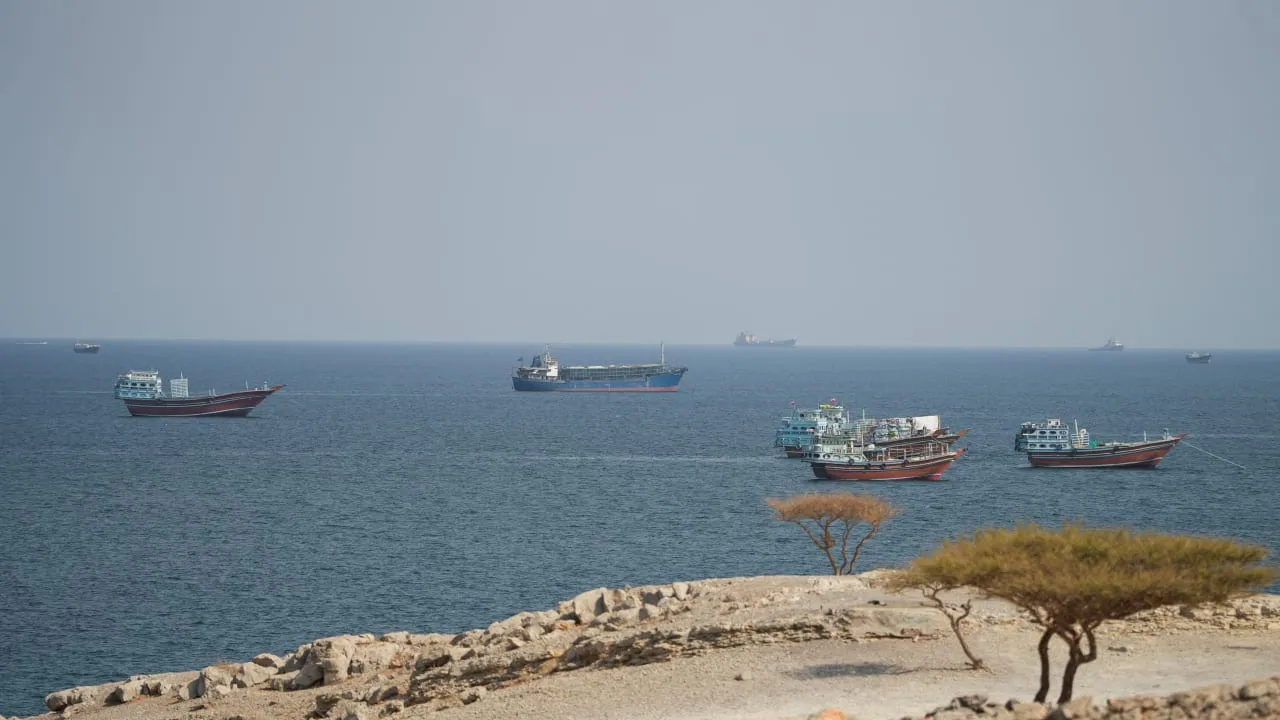
Beyond localized spills, the broader conflict has left nearly 2,000 ships stranded due to blockades and attacks. These vessels collectively hold an estimated 21 billion liters of oil, presenting a constant, catastrophic risk to the Strait of Hormuz—one of the world’s most vital maritime corridors. Meanwhile, Kharg Island, which serves as Iran’s primary oil export hub, has become a high-priority military target. The potential for further strikes against this hub poses an existential threat to the surrounding coral reefs, which have already been weakened by years of dredging and land reclamation.
The research underscores that this ecological devastation constitutes a significant breach of multiple international and regional environmental frameworks, including the UN Convention on the Law of the Sea, the Convention on Biological Diversity, and the Ramsar Convention.
Despite the grim outlook, the report offers a roadmap for recovery through targeted regional intervention. Proposed solutions include large-scale coral transplantation projects in areas such as Kuwait’s Kubbar and Qaru islands and the reefs surrounding the Strait of Hormuz. Additionally, the study calls for the restoration of seagrass meadows in Qatar and Bahrain to stabilize sediments and revitalize marine nurseries.
To address the immediate lack of oversight, the researchers advocate for a UN-led “Gulf ecological union.” This body would be tasked with bypassing geopolitical friction to coordinate essential activities, such as a basin-wide oil spill response system, regular health assessments of marine megafauna, and conflict-sensitive environmental governance. As the conflict persists, experts emphasize that only through depoliticized cooperation can the Gulf’s fragile marine ecosystems be protected from further collapse.
Disclaimer: This content is auto-generated for informational purposes only.
Source: Read Original News