







Advancements in Audio Engineering: The Evolution of AirPods Pro 3
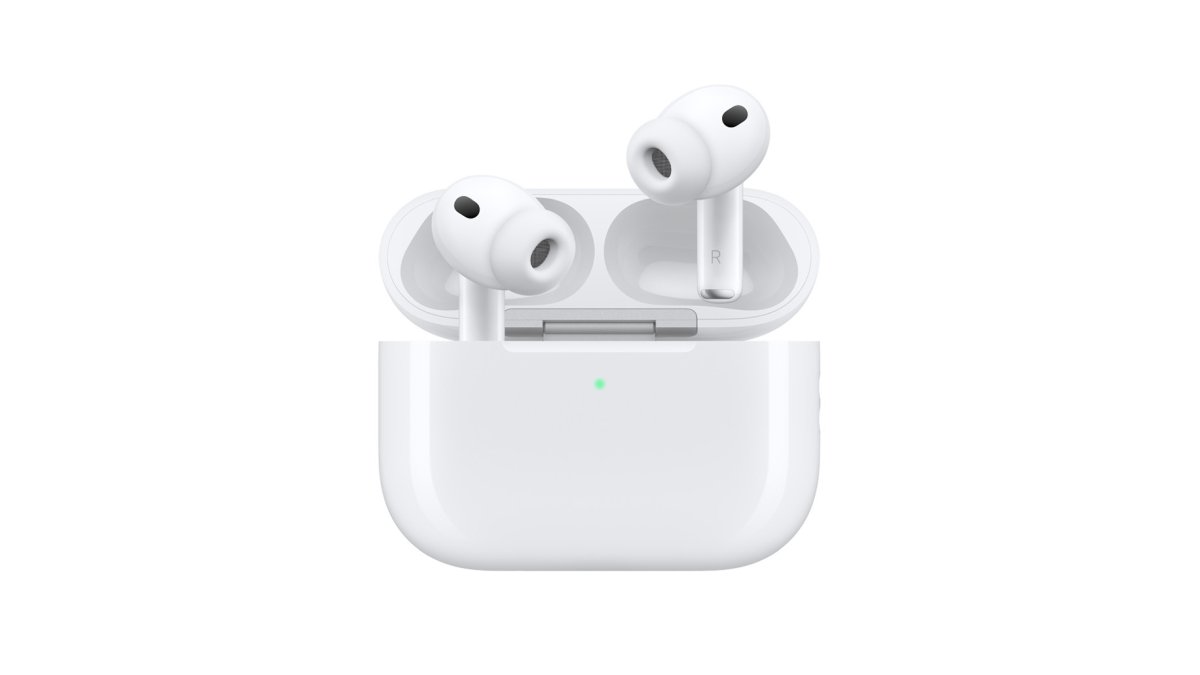
The landscape of personal audio continues to shift as Apple refines its flagship wearable technology. With the release of the AirPods Pro 3, the focus has moved beyond simple high-fidelity sound reproduction to integrated biometric monitoring and advanced computational audio processing. These earbuds represent a significant leap in hardware capabilities, effectively bridging the gap between consumer electronics and specialized health-monitoring devices.
Engineered with an updated internal architecture, the AirPods Pro 3 utilize a proprietary silicon chip designed to handle complex audio algorithms in real time. This allows for superior active noise cancellation (ANC) and more nuanced control over transparency modes. By analyzing external sound environments at a high sampling rate, the internal processors can effectively isolate unwanted frequencies, providing an optimized listening environment regardless of the external setting.
Biometric Integration and Health Monitoring
One of the most notable technical shifts in the AirPods Pro 3 is the integration of biometric sensors. The earbuds now include heart-rate sensing capabilities, a feature traditionally reserved for fitness trackers or smartwatches. By utilizing photoplethysmography (PPG) technology located within the earbud housing, the device can monitor cardiovascular activity with high consistency.
This addition serves a dual purpose. For the fitness-oriented user, it offers a discreet method of tracking performance metrics without the necessity of a chest strap or a wrist-worn device. Furthermore, the data generated by these sensors feeds into the broader health ecosystem of the connected device, providing users with a comprehensive view of their vitals during physical activity. This integration signals a move toward proactive health monitoring, where wearable audio devices become essential components of personal medical data collection.
Hearing Health and Accessibility Innovations
Perhaps the most significant advancement in the AirPods Pro 3 is the inclusion of sophisticated hearing health features. By implementing clinical-grade hearing aid functionality, Apple has transformed the earbuds into an accessible tool for individuals experiencing mild to moderate hearing loss. This software-driven implementation allows users to conduct an audiometric test directly through their connected devices.
Once the testing phase is complete, the earbuds apply an individualized amplification profile to the audio input. This technology works in tandem with the device’s transparency mode, effectively acting as an external sound processor that enhances vocal frequencies and mitigates background noise. By integrating these features into a consumer device, the barriers to entry for hearing assistance technology are lowered, offering a more inclusive solution for a wide range of users who might otherwise avoid traditional, cost-prohibitive hearing aid solutions.
Computational Intelligence and Live Translation
The AirPods Pro 3 are deeply integrated with advanced language processing, powered by the latest iterations of Siri AI. This computational intelligence extends to real-time translation features, which have seen a major performance upgrade. When using the earbuds in conjunction with a compatible smartphone, the device can process incoming foreign speech and provide near-instantaneous audio translation.
This feature relies on the high-speed data transfer and low-latency processing capabilities of the internal hardware. For international travelers or professionals working in multilingual environments, this capability serves as a high-utility tool. The system is designed to minimize lag, ensuring that the translated feedback remains synchronized with the rhythm of natural conversation. Combined with improved microphone array performance, which excels at beamforming and voice isolation, the AirPods Pro 3 are becoming a primary communication interface.
Battery Efficiency and Practical Performance
Technical innovation is frequently hindered by energy limitations, but the AirPods Pro 3 address this with improved power management. Despite the addition of biometric sensors and continuous computational background tasks, the device maintains an 8-hour battery life on a single charge. This efficiency is achieved through architectural optimizations in the power-delivery system and the utilization of a more energy-efficient wireless communication protocol.
The integration of such high-density features into a compact form factor presents significant thermal and electrical management challenges. Apple’s design approach involves balancing the power draw of the neural engine with the physical limits of the battery cell. The result is a device that supports a full day of typical usage, including noise cancellation and health tracking, without requiring frequent charging cycles.
Market Impact and Consumer Availability
As market competition intensifies, pricing strategies have become increasingly aggressive. The recent reduction of the AirPods Pro 3 price to $179 reflects a strategic effort to capture a larger share of the premium audio segment ahead of major retail events. By positioning these high-capability earbuds at a more accessible price point, the hardware becomes a more attractive entry point for consumers looking to upgrade their audio ecosystem.
The value proposition of the AirPods Pro 3 lies in the convergence of multiple technologies—ANC, health monitoring, and AI-driven communication—into a single, unified device. As manufacturers continue to add features that perform critical diagnostic and linguistic tasks, the role of the earbud will likely continue to expand. For users, this means that the device is no longer just a peripheral for media consumption, but a multifaceted tool that provides tangible benefits to health and social interaction. For those seeking to integrate these features, the current market climate presents a rare opportunity to acquire high-performance technology at a significant discount, marking a standard for premium consumer hardware.
Disclaimer: This content is auto-generated for informational purposes only.
Source: Read Original News