








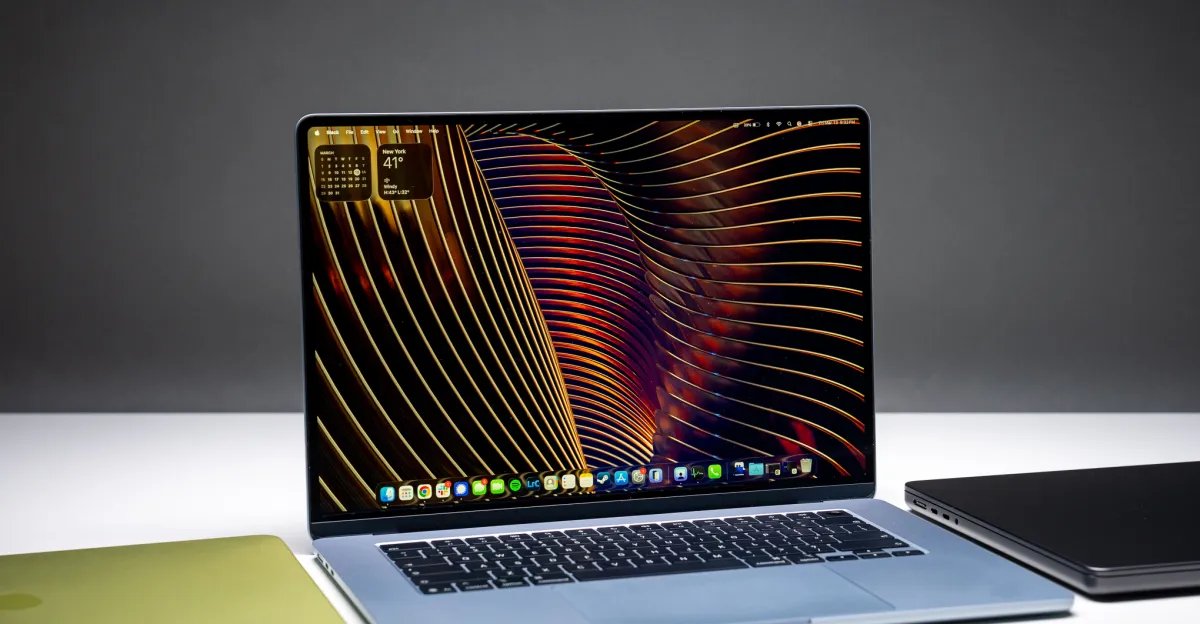
The Silicon Leap: Understanding the M5 Chipset
The latest iteration of Apple’s MacBook Air lineup, powered by the M5 silicon, represents a strategic refinement rather than a total hardware revolution. While the physical chassis remains familiar to users of previous generations, the internal architecture has undergone a significant performance boost. The M5 chip is engineered with a focus on efficiency per watt, utilizing an advanced manufacturing node that allows for higher clock speeds while maintaining the thermal envelope required for a fanless laptop design.
For professional users and students alike, the shift to the M5 translates into faster task completion across the board. Whether it is compiling code, rendering high-resolution video, or multitasking between dozens of resource-heavy browser tabs, the M5 handles sustained workloads with increased stability. The integration of improved memory controllers also ensures that data retrieval times are minimized, keeping the system responsive even when running heavy creative suites. This performance jump is particularly notable when compared to entry-level alternatives like the MacBook Neo, positioning the Air as a superior value for those who require genuine computational horsepower without the bulk of the Pro-tier devices.
Storage Architecture and Throughput Improvements
One of the most critical, yet frequently overlooked, upgrades in this latest MacBook Air release is the enhancement of the storage subsystem. Apple has moved to higher-bandwidth NAND flash memory, which significantly reduces the time required to boot the operating system, launch applications, and move large files across the internal drive. The 512GB configuration—now subject to substantial discounts during the October Prime Day sales—offers enough headroom for most users to store extensive libraries of documents, raw media files, and local applications without needing external expansion.
The importance of this storage speed cannot be overstated in modern computing. With applications becoming increasingly bloated and operating systems requiring frequent read/write cycles to manage virtual memory, the throughput of the internal storage acts as a bottleneck for system performance. By increasing the read/write speeds, Apple ensures that the M5 chip is rarely waiting on data. This creates a cohesive experience where the hardware and software operate in unison, resulting in a machine that feels just as fast two years into its life cycle as it does on the day of purchase.
The 15-Inch Advantage: Graphical and Audio Fidelity
While the 13-inch MacBook Air is praised for its portability, the 15-inch model offers distinct hardware advantages for power users who prioritize screen real estate and multimedia performance. Beyond the physical size of the Liquid Retina display, which provides a more expansive canvas for split-screen workflows and precision editing, this larger form factor houses a more robust internal configuration.
The most notable differentiator is the inclusion of two additional GPU cores. These cores provide a tangible boost in graphical performance, which is felt during video transcoding, 3D modeling, and even casual gaming. Furthermore, the 15-inch model features a six-speaker array, compared to the four speakers found in the 13-inch variant. This array supports spatial audio with a wider soundstage and better low-frequency response, making it a viable machine for audio engineers or media consumption enthusiasts who need consistent sound quality without the aid of external speakers or headphones. For users weighing their purchasing decisions, these hardware modifications make the 15-inch version a compelling candidate for those who intend to use the machine as a primary workstation.
Battery Efficiency and Thermal Management
A core tenant of the MacBook Air series remains its exceptional battery longevity. The M5 architecture achieves this through advanced power gating, which shuts down segments of the processor that are not currently in use. This granular control over power distribution allows the laptop to remain powered through long work sessions or cross-country flights without necessitating a trip to a wall outlet.
Thermal management is equally impressive. Because the M5 is optimized for high energy efficiency, the need for internal cooling fans is effectively eliminated. This allows for a completely silent operating environment, which is highly appreciated in quiet workspaces like libraries or professional meeting rooms. Even under load, the chassis manages to dissipate heat effectively through passive conduction. This design choice contributes to the overall reliability of the product, as the absence of moving parts like mechanical fans reduces the points of potential hardware failure over time, ensuring the longevity of the internal components.
Market Impact and Value Assessment
The current pricing adjustments offered during the October retail event provide a rare opportunity to acquire high-performance hardware at a reduced entry cost. By effectively reversing the price increases seen earlier this year, Apple and its retail partners are making the M5 MacBook Air one of the most cost-effective machines on the market. When evaluating the total cost of ownership, the combination of build quality, battery efficiency, and software support provided by Apple ensures that these units maintain their utility for years.
In the broader context of the tech industry, these discounts signify a maturation of the laptop market. Consumers are increasingly prioritizing efficiency and performance-per-dollar over experimental features. The M5 MacBook Air satisfies this demand by delivering a reliable, fast, and capable machine that excels at the tasks most users perform daily. Whether as a secondary device for a creative professional or a primary driver for an academic or business user, the M5 MacBook Air at its current price point represents an investment in long-term productivity. As hardware cycles continue to accelerate, the stability of this platform stands out as a prudent choice for those looking to upgrade their technology stack without overextending their budget.
Disclaimer: This content is auto-generated for informational purposes only.
Source: Read Original News