







A New Era for MacBook Design
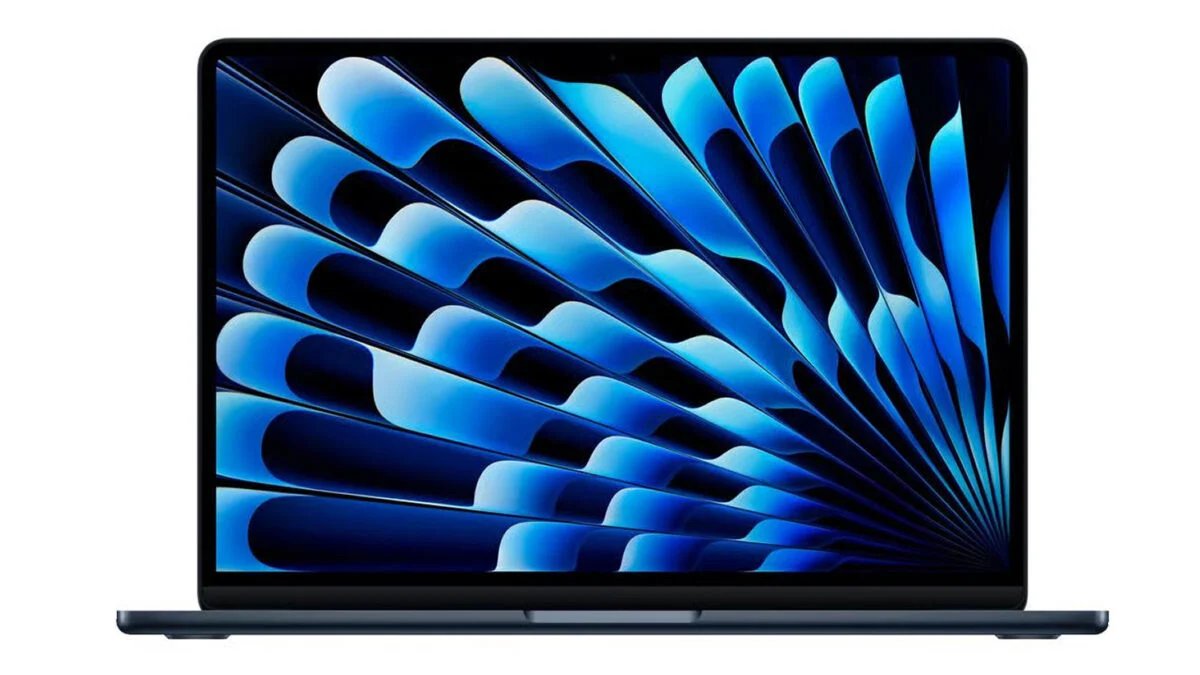
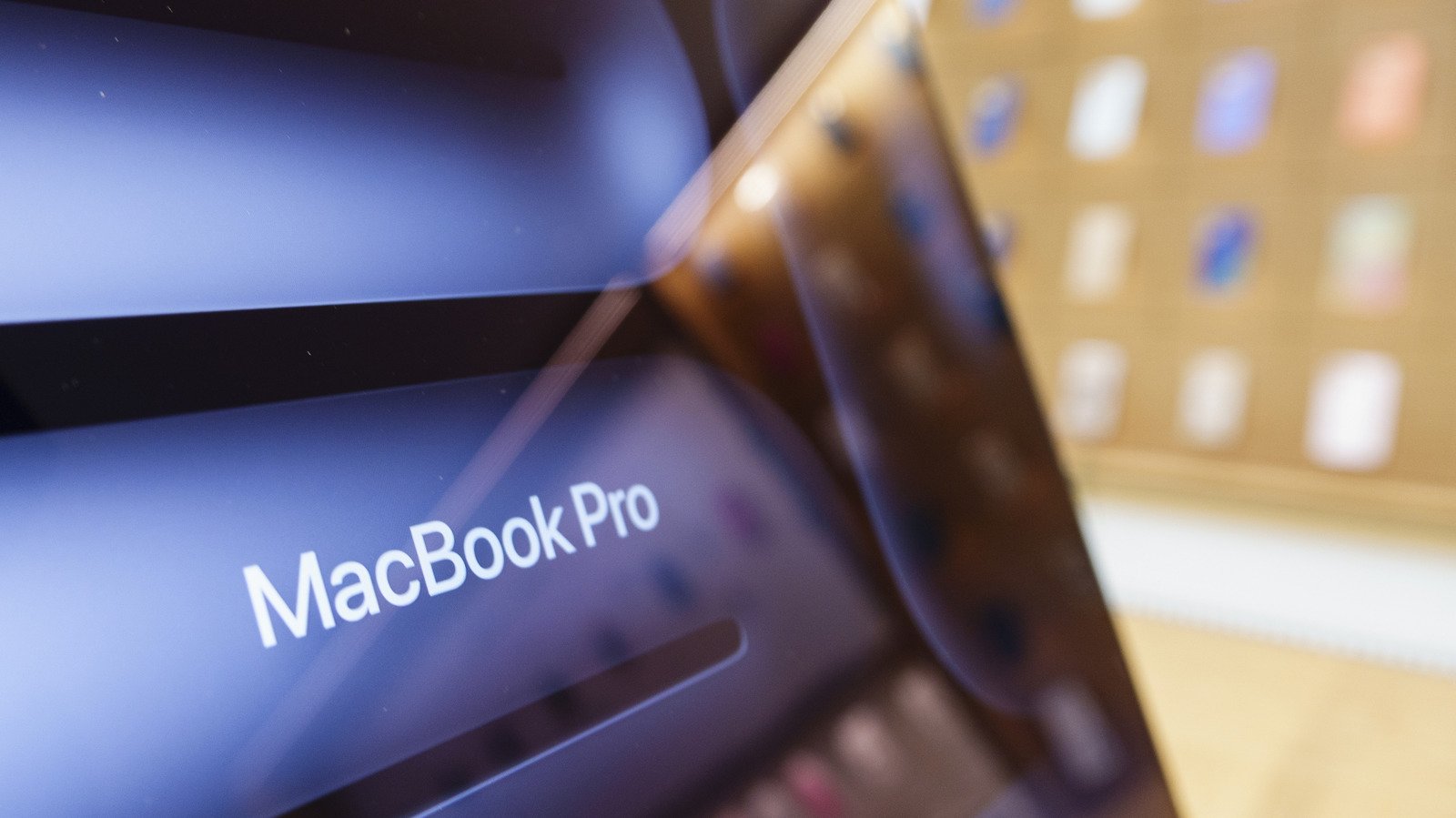
The laptop market is on the cusp of a significant transformation as Apple prepares to introduce its latest iteration of the MacBook Pro. Industry reports indicate that this new model will not merely serve as a performance refresh but as a substantial architectural overhaul. By integrating both OLED display technology and a touchscreen interface, Apple is signaling a departure from its historical resistance to touch-based computing on the macOS platform. Beyond the screen upgrades, the device is expected to be substantially lighter than its predecessors, a feat achieved through a radical redesign of the internal engineering.
This upcoming hardware release arrives at a pivotal moment for the company. Under the leadership of newly appointed CEO John Ternus, the focus appears to be shifting back toward prioritized industrial design. Unlike previous eras that emphasized supply chain optimization, the current trajectory suggests a push toward miniaturizing internal components and optimizing physical space. This engineering challenge requires the dense rearrangement of logic boards, thermal management systems, and battery cells to shave weight off the chassis without sacrificing the structural integrity or the high-performance cooling required by pro-grade processors.
Transitioning to OLED and Touchscreen Functionality
The integration of an OLED panel into the MacBook Pro lineup is a long-anticipated move for creative professionals. Unlike traditional Liquid Retina LCDs that rely on backlighting, OLED technology allows for individual pixel dimming, resulting in perfect blacks, superior contrast ratios, and improved energy efficiency. For users engaged in video production, graphic design, and color-critical workflows, this hardware update offers a more accurate representation of digital content.
Furthermore, the addition of a touchscreen marks a distinct evolution in human-computer interaction for Apple. While the company has long maintained a clear boundary between the touch-optimized iPad and the cursor-driven MacBook, this new model suggests a convergence of these philosophies. By incorporating touch, Apple may be looking to streamline workflows that require frequent navigation of complex interfaces, potentially allowing for more intuitive control in professional software suites that are currently optimized for pointer input.
Internal Engineering and Weight Reduction
One of the most notable aspects of the upcoming device is the reported weight reduction. Current MacBook Pro models, which range from approximately 3.4 pounds for the 14-inch version to 4.7 pounds for the 16-inch variant, represent a portable yet substantial form factor. Achieving a “significantly lighter” build requires aggressive miniaturization of the motherboard and a complete rethink of how components are arranged within the enclosure.
Reports suggest that the engineering team has focused on consolidating specialized integrated circuits and reducing the physical footprint of the cooling architecture. This shift is consistent with the broader internal goal of streamlining product design under Ternus. By rearranging the components to optimize the internal volume, Apple aims to maintain the high performance of its proprietary M-series silicon while simultaneously making the device more comfortable for mobile professionals who prioritize portability in their daily work.
Performance Expectations and Hardware Capabilities
While technology cycles often lead to speculation regarding the next generation of silicon, the upcoming MacBook Pro is slated to feature high-end M5-series chips rather than the forthcoming M7 generation. This strategic choice balances the current production cycles with the immediate need for a robust hardware refresh. The M5 architecture continues to provide the necessary multi-core performance and integrated neural engine capabilities required for tasks such as machine learning training, code compilation, and high-bitrate video rendering.
Retaining the M5 architecture allows Apple to focus the device’s unique selling proposition on its physical display technology and revised chassis design rather than waiting for the next iteration of processing power. This move ensures that the laptop remains a competitive tool for power users today while establishing the foundation for future OS updates that will likely be designed to better exploit the new touchscreen interface.
Strategic Leadership and Future Design Direction
The release of this laptop serves as a test case for John Ternus’s influence on the company’s product roadmap. His background as a hardware engineer is reflected in the emphasis on internal redesigns rather than incremental updates. By restructuring the design teams to report directly to him, Ternus is positioning the company to respond more fluidly to shifts in hardware capabilities and user requirements.
This shift in governance indicates that the company is placing a premium on the synergy between software functionality and industrial design. If the touch-enabled, lightweight OLED MacBook Pro succeeds, it may set a new standard for high-end notebooks, potentially compelling other manufacturers to similarly re-evaluate how they balance weight, display quality, and input methods. As the launch approaches, the industry remains focused on how these hardware improvements will translate into tangible improvements for professional productivity and long-term hardware durability.
Disclaimer: This content is auto-generated for informational purposes only.
Source: Read Original News