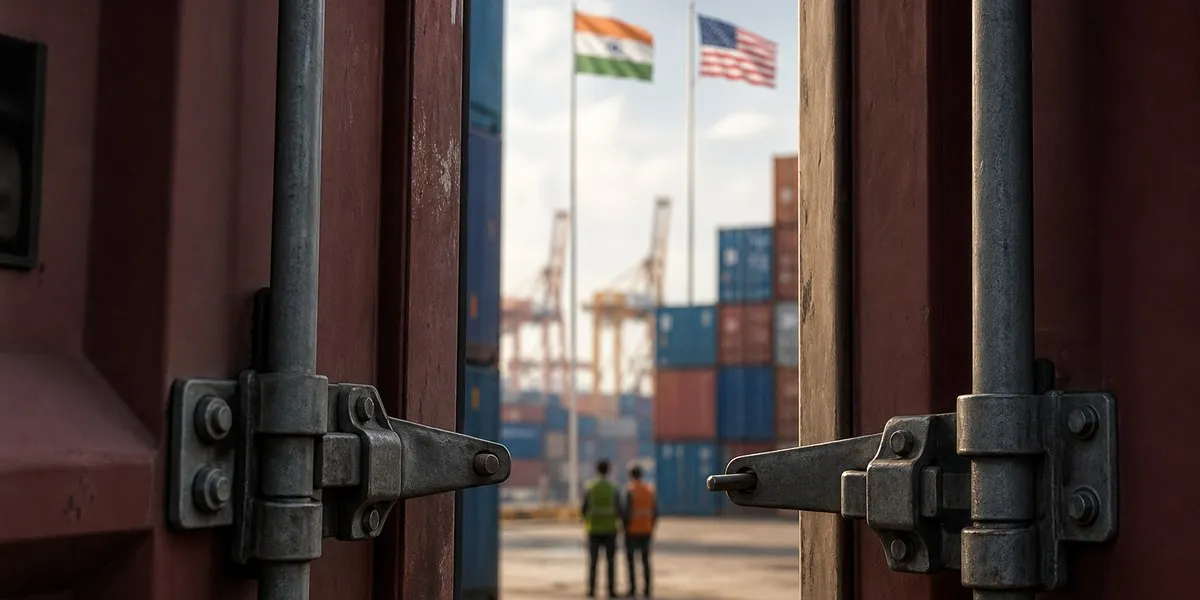







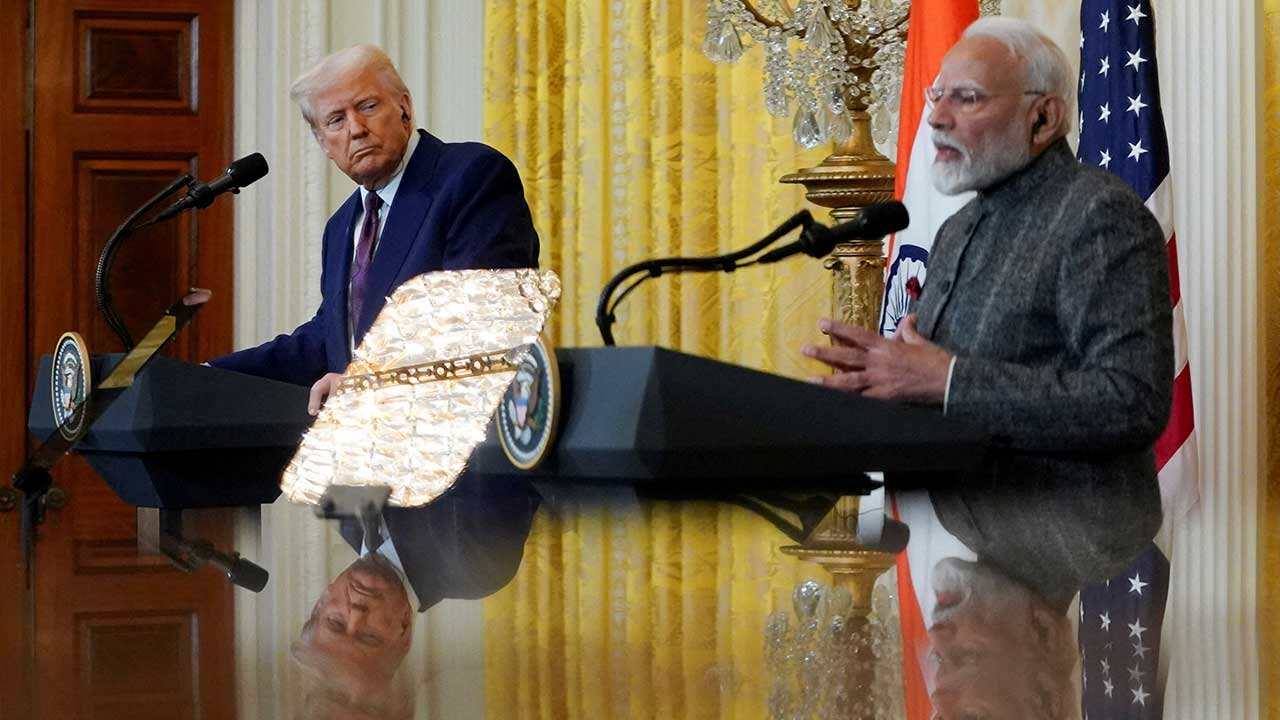
NEW DELHI: Prospects for a comprehensive trade agreement between India and the United States have reached a definitive standstill, with Finance Minister Nirmala Sitharaman signaling that both nations have hit a structural ceiling in their ongoing discussions.
Speaking at a public event in the capital on Monday, the Finance Minister candidly addressed the state of the bilateral negotiations, suggesting that the path forward has become increasingly narrow. According to Sitharaman, the two sides have arrived at a “plateau,” implying that the compromises already on the table represent the maximum flexibility both governments can afford at this stage.
A Negotiating Deadlock
The remarks follow a period of intense diplomatic activity aimed at resolving long-standing friction regarding market access and regulatory frameworks. Last week, U.S. Trade Representative Jamieson Greer confirmed that a breakthrough remains elusive, noting that an agreement is not imminent despite recent consultations with India’s Commerce Minister, Piyush Goyal, in Washington.
Sitharaman acknowledged the arduous nature of these talks, describing them as a “hard and very vigorously negotiated” process. While she noted that dialogue remains technically active, she emphasized the difficulty of extracting further concessions. “Maybe if there are rooms to operate from, both sides would do it,” she stated, while simultaneously cautioning that pushing for more might be “very, very difficult” given the domestic political and economic constraints in both New Delhi and Washington.
The Core Friction: Trade Imbalance
At the heart of the friction lies a significant trade imbalance that has become a recurring point of contention. Data indicates that the current trade surplus sits firmly in India’s favor, a reality that the United States is keen to address.
“They would want to reduce that imbalance,” Sitharaman observed, highlighting that the deficit is viewed from the American side as a primary issue to be rectified. For India, however, the challenge lies in balancing these U.S. demands against its own domestic economic priorities. Reports from earlier this year suggested that Indian negotiators have been firm in holding out for more favorable terms, particularly regarding agricultural and industrial market access, which are critical to protecting local interests.
Deepening Economic Ties
The current round of negotiations, which began in February 2025, was intended to serve as a cornerstone for a deeper strategic economic partnership between the two global powers. Both nations have identified trade as a vital pillar in their broader geopolitical alignment, aiming to harmonize standards and streamline supply chains to bolster economic security.
Despite the current stagnation, both governments have refrained from calling off the talks entirely. The diplomatic rhetoric continues to lean toward a search for creative solutions that could bridge the remaining gap. However, the Finance Minister’s comments indicate that the “low-hanging fruit” of the negotiations has already been harvested, and the remaining issues involve fundamental disagreements that neither side seems currently prepared to concede.
As the talks drag on, observers remain watchful for whether high-level intervention or a shift in policy priorities might provide the necessary momentum to push past this current plateau, or if the agreement will remain indefinitely stalled.
Disclaimer: This content is auto-generated for informational purposes only.
Source: Read Original News