







Donald Trump Misfires: Confuses Brazil Presidential Vote for India in Social Media Rant
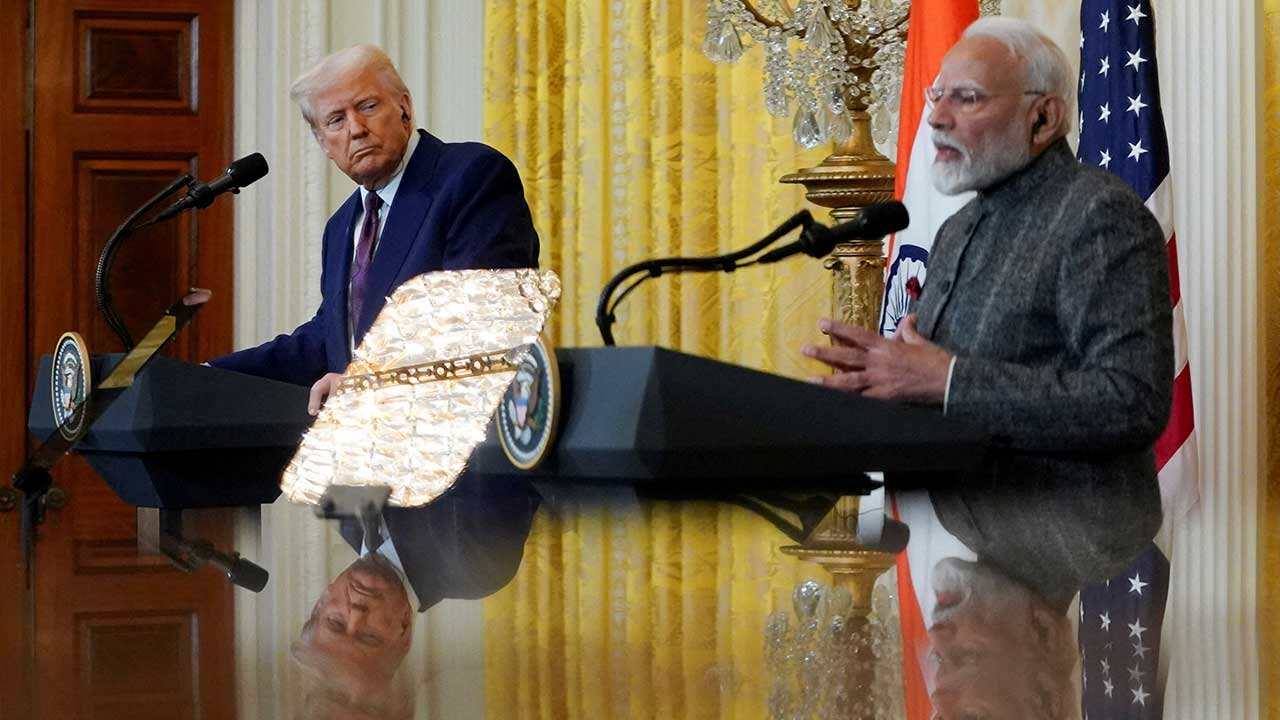
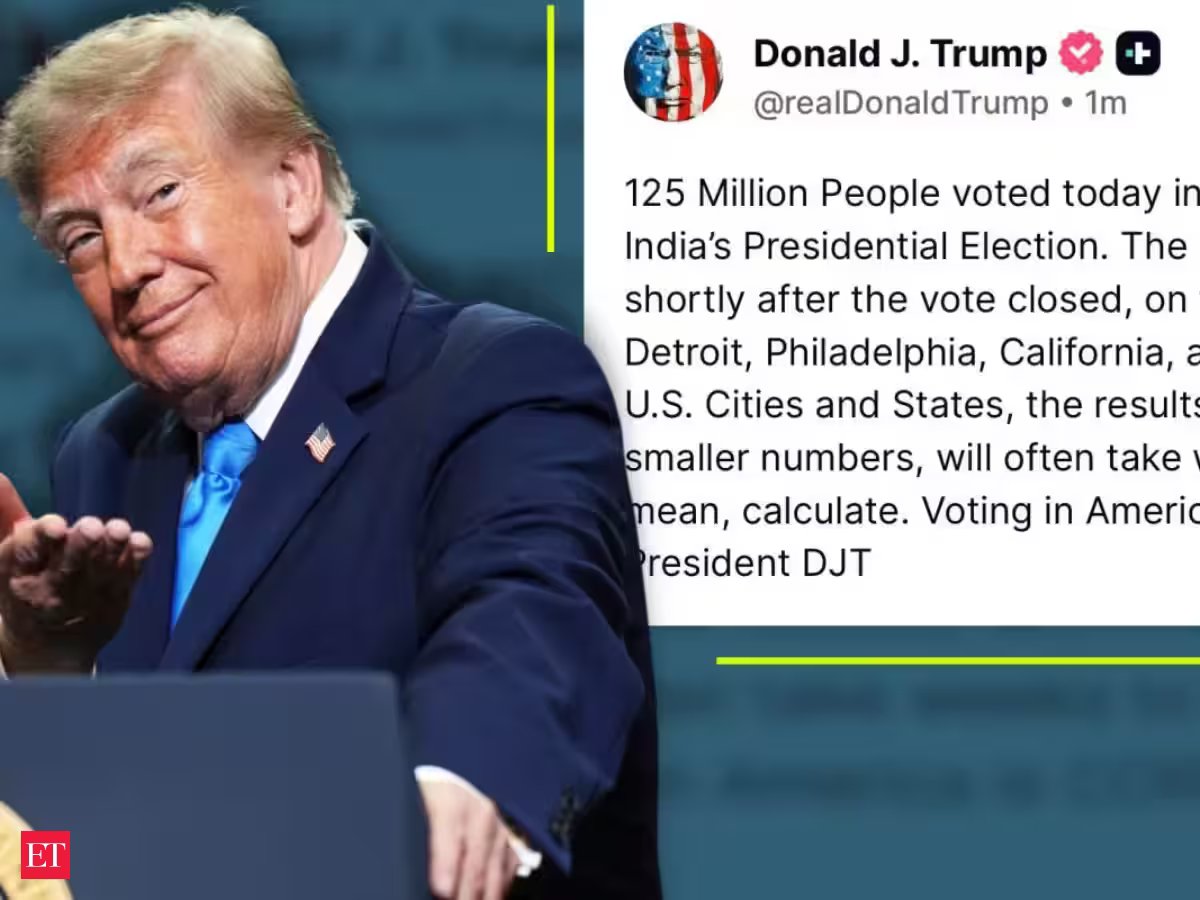
US President Donald Trump has sparked confusion and amusement after claiming that India held a presidential election this past Sunday, asserting that 125 million people cast their ballots and that results were declared within hours. The statement, posted on his Truth Social platform, appears to be a major geographical and political error, as no such election took place in India.
The former President used the erroneous claim to launch a fresh critique of the American electoral process. By contrasting the supposed speed of the Indian vote count with the multi-day process often seen in US states like Michigan and Pennsylvania, Trump aimed to paint the domestic voting system as “corrupt.”
Identifying the Source of the Confusion
Political analysts quickly pointed out that the figures and the timeline cited by the US President correspond precisely with the first round of the presidential election held in Brazil. On Sunday, Brazil recorded approximately 125.27 million valid votes in a high-stakes contest between incumbent Luiz Inacio Lula da Silva and challenger Flavio Bolsonaro.
Brazil’s highly digitized electronic voting system is renowned for its ability to process massive volumes of data and produce near-instantaneous results, a feature that aligns with the speed Trump lauded in his post. It appears that while Trump was referencing the Brazilian election, he erroneously attributed the event to India.
The Reality of India’s Electoral System
The claim is inaccurate on several fundamental levels regarding India’s constitutional structure. First, India—the world’s most populous democracy—did not hold a presidential election on Sunday. Droupadi Murmu, who assumed office in July 2022, remains the current President of India.
Furthermore, India does not utilize a direct presidential election system. Under the Indian Constitution, the President is chosen by an Electoral College consisting of elected members of the Parliament and state legislative assemblies. Unlike the US model or the Brazilian direct vote, the Indian public does not directly cast ballots for the President of the country. Citizens of India participate in general elections to choose members of the Lok Sabha, or in state elections to choose representatives for their local assemblies; the Prime Minister is then appointed based on the party or coalition that gains a majority in the lower house.
A Pattern of Criticism
This incident marks yet another instance of Donald Trump questioning the efficiency and integrity of the American voting apparatus. He has frequently pointed to the scale of Indian elections—which involve hundreds of millions of voters—as a benchmark to suggest that the United States should be capable of producing election results in a single evening.
By blending the demographic scale of India, the electoral calendar of Brazil, and his own frustrations with US ballot counting timelines, the President has inadvertently created a geopolitical mix-up. As of now, there has been no official clarification from the White House regarding the confusion, though the post has drawn significant attention from international observers and election experts who note the vast differences between the three nations’ distinct voting models.
Disclaimer: This content is auto-generated for informational purposes only.
Source: Read Original News