







The wearable technology landscape is set to expand with the emergence of the Fitbit Edge, a new fitness-focused device from Google. Positioned as a strategic middle ground between the minimalist Fitbit Air and the highly capable Pixel Watch 5, the Edge aims to provide a balance of health tracking and essential smart connectivity. Recent leaks have provided a detailed look at the device, revealing a design language that suggests it will be a primary competitor in the mid-range tracker market.
Design and Build Specifications
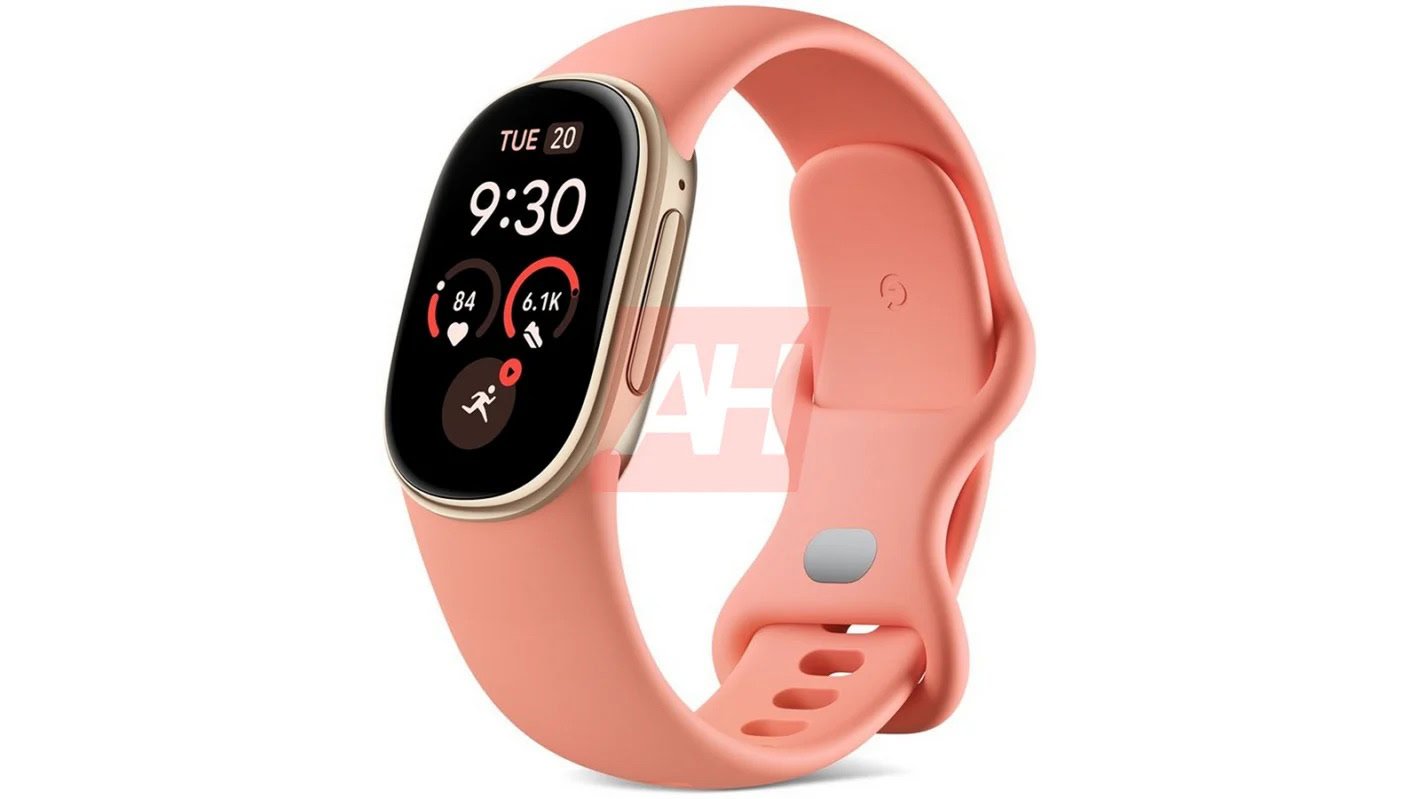
The Fitbit Edge adopts the classic aesthetic of a fitness band, featuring a compact, oval-shaped display. Unlike the circular hardware found on the Pixel Watch line, the Edge follows a linear orientation. The device includes a physical button on either side of the chassis, likely serving as shortcuts for navigation or tracking initiation. On the reverse side, the sensor array appears to draw inspiration from the Fitbit Air, though analysts suggest the hardware may be upgraded to capture a broader spectrum of biometric metrics.
A notable departure from previous designs is the attachment mechanism for the wrist straps. Rather than utilizing the proprietary lug system found on the Pixel Watch, the Edge employs a simple pinch-and-release mechanism. This design choice is typically favored for ease of use, allowing users to swap bands quickly to match different physical activities or professional settings. The leaked promotional imagery highlights three specific color configurations: black, green, and orange. These hues align with the branding of the Pixel 11 Pro series, indicating a unified visual identity across Google’s upcoming hardware ecosystem.
Functional Capabilities and App Integration
While the Fitbit Edge is marketed as a tracker, it includes specific smart features that distinguish it from basic step counters. The device is reported to support a curated selection of Google services, including Google Maps for navigation and YouTube Music for media control. Users will also have access to the Find My Phone utility, enhancing the utility of the band for those who prefer not to carry their smartphone during exercise.
Notification management remains a core feature, allowing users to receive alerts from their paired smartphone directly on their wrist. The inclusion of internal GPS and an altimeter ensures that distance, speed, and elevation tracking remain accurate for outdoor activities like hiking, cycling, and running. These features, combined with automatic activity recognition, suggest a focus on users who require reliable performance metrics without the complexity of a full-scale wearable operating system.
Hardware Performance and Battery Life
Battery efficiency is often a primary concern for fitness enthusiasts who rely on continuous health monitoring. The Fitbit Edge is expected to provide up to seven days of battery life on a single charge. This longevity is a significant advantage over many full-featured smartwatches that require nightly charging, making it a functional device for sleep tracking and long-duration fitness challenges.
The internal architecture appears optimized for power efficiency, allowing the device to maintain persistent sensor connectivity for heart rate, oxygen saturation, and activity tracking while still delivering display-based updates throughout the week. By stripping away the power-hungry internals required for third-party app stores and cellular connectivity, the Edge maximizes the time between charges, focusing on the core utility of a persistent, low-maintenance companion.
Market Positioning and Strategic Role
The absence of a new Fitbit Charge model since 2023 left a distinct gap in Google’s product catalog, causing ambiguity regarding the company’s commitment to dedicated fitness bands. The introduction of the Edge fills this void, offering a solution for consumers who find the Pixel Watch too expensive or feature-heavy, yet desire more functionality than the entry-level Fitbit Air provides.
Because the device supports both Android and iOS, it maintains the broad cross-platform appeal that has historically been a strength of the Fitbit brand. By bridging the gap between a distraction-free tracker and an advanced smartwatch, Google is creating a tiered ecosystem where consumers can select a device based on their specific relationship with technology—ranging from those who want minimal digital interference to those who require a powerful, wrist-worn computer.
Anticipated Pricing and Launch Timeline
Industry reports suggest that the Fitbit Edge could see a market release within the month, effectively positioning the product for the upcoming holiday shopping season. Given the existing pricing structure of Google’s wearables—where the Air starts at $99 and previous Charge models ranged between $129 and $179—market analysts estimate the price for the Edge to fall within the $149 to $199 bracket.
This pricing strategy targets a competitive segment, pitting the device against other premium activity trackers. With its blend of refined hardware, essential software integrations, and an emphasis on long-term battery performance, the Fitbit Edge is positioned to become a central component of Google’s strategy to maintain a presence in the health and fitness market while providing a clear alternative to the more expensive, battery-intensive smartwatch market.
Disclaimer: This content is auto-generated for informational purposes only.
Source: Read Original News