







The Return to Wuhu Island
Nintendo is preparing to launch a significant expansion to its motion-controlled gaming catalog with Nintendo Switch Sports Resort, arriving this holiday season. Bundled alongside the upcoming Switch 2 hardware, the title serves as a strategic cornerstone for Nintendo’s new console generation. The game marks a return to Wuhu Island, a setting iconic to the company’s history, moving away from the menu-centric design of previous entries to offer an environment built for exploration, competition, and leisure.
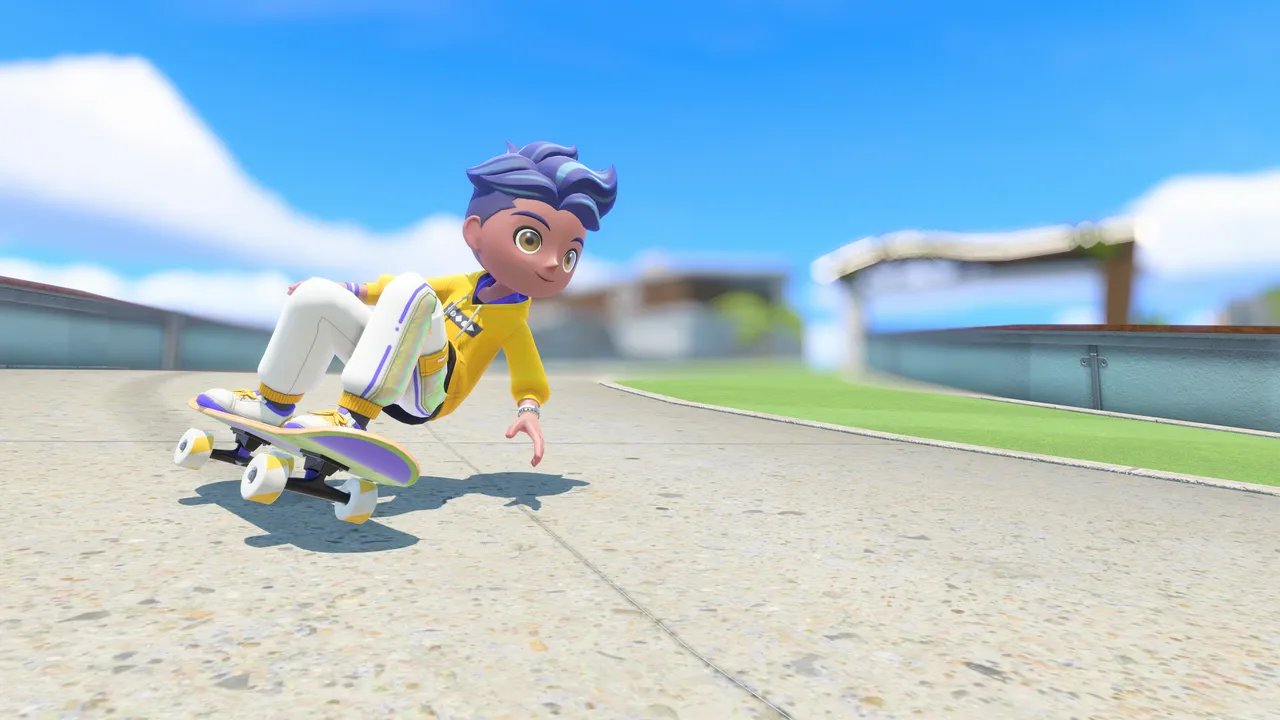
The shift in design philosophy is apparent immediately. Where previous iterations served primarily as hubs for selecting minigames, Wuhu Island functions as an interactive space. Whether engaging in Power Cruising, skateboarding, or aerial maneuvers, players are encouraged to traverse the geography of the island. Features such as in-game tracking—similar to navigation logs found in open-world titles—allow players to visualize their paths and shared journeys across the map.
Diverse Gameplay and Mechanics
The technical implementation of motion controls varies across the lineup of 12 sports, utilizing the precision of current-generation Joy-Con controllers. Skateboarding serves as a highlight for input complexity, requiring players to mimic physical motions—such as dragging the controller to represent a foot—while using tilt-based leaning for navigation and flicking gestures for aerial tricks.
Beyond high-intensity sports, the title emphasizes variety in its engagement models. Archery introduces a competitive format where target quadrants are assigned to specific players, forcing a high-stakes balance between aggressive play and the risk of gifting points to opponents. Meanwhile, the inclusion of Boxing brings back a fan-favorite mode, now supplemented by a structured single-player progression system. This “ladder” format pits players against increasingly difficult CPU opponents, providing a more robust solo experience that was largely absent in earlier motion-controlled sports titles.
Exploration and Reward Systems
A primary point of distinction for Switch Sports Resort is the integration of exploration-based rewards. Players can engage in sightseeing tours or free-play modes where the objective shifts from competitive scoring to discovery. The island is populated with landmarks, collectible items, and hidden zones, such as the interior of the Maka Wuhu volcano.
This environment serves as more than a background; it is a repository for rewards. Achievements and collectibles earned during these sessions contribute to a system of points that can be spent on cosmetic enhancements for player avatars, known as Sportsmates or Mii characters. By providing tangible incentives for exploring the island, the developers have successfully extended the life of the game beyond simple competitive sessions, allowing for a more relaxed, long-term player experience.
Competitive Integrity and Multiplayer
Despite the addition of exploration, the competitive core of the franchise remains intact. Classic modes like Bowling and Tennis return, maintaining the accessible, pick-up-and-play mechanics that defined the original series. The multiplayer component is designed for seamless, local co-op experiences, catering to the “couch gaming” demographic that Nintendo has prioritized throughout the Switch era.
The balancing acts built into these competitive modes ensure that matches remain engaging. For instance, the dynamic adjustment of target sizes in competitive Archery acts as an equalizing mechanic, allowing for fluctuations in skill levels without compromising the tension of the match. While the current roster includes some redundant categories—such as the presence of three different net-based sports—the inclusion of diverse activities like Thumb Wrestling offers a lighthearted contrast to the more traditional sports, rounding out the package as a comprehensive party game.
Technical Impact on the Switch 2 Ecosystem
The strategic decision to bundle Nintendo Switch Sports Resort with the Switch 2 suggests that Nintendo views the title as a foundational piece of the hardware’s launch identity. For the casual demographic, the game offers a low barrier to entry while providing enough mechanical depth to satisfy veteran players. By replacing the sterile menus of its predecessors with an explorable, dense, and meaningful virtual world, the game sets a high bar for what the platform’s motion-tracking capabilities can achieve.
The project effectively bridges the gap between the nostalgia of older titles and the technical capabilities of modern hardware. Whether the player is racing against others or simply traversing the skies of Wuhu Island, the experience is clearly designed to be a durable component of the user’s library. As Nintendo enters this new hardware cycle, the focus remains on accessible, high-engagement software that encourages both short-term competitive play and long-term exploration.
Disclaimer: This content is auto-generated for informational purposes only.
Source: Read Original News