






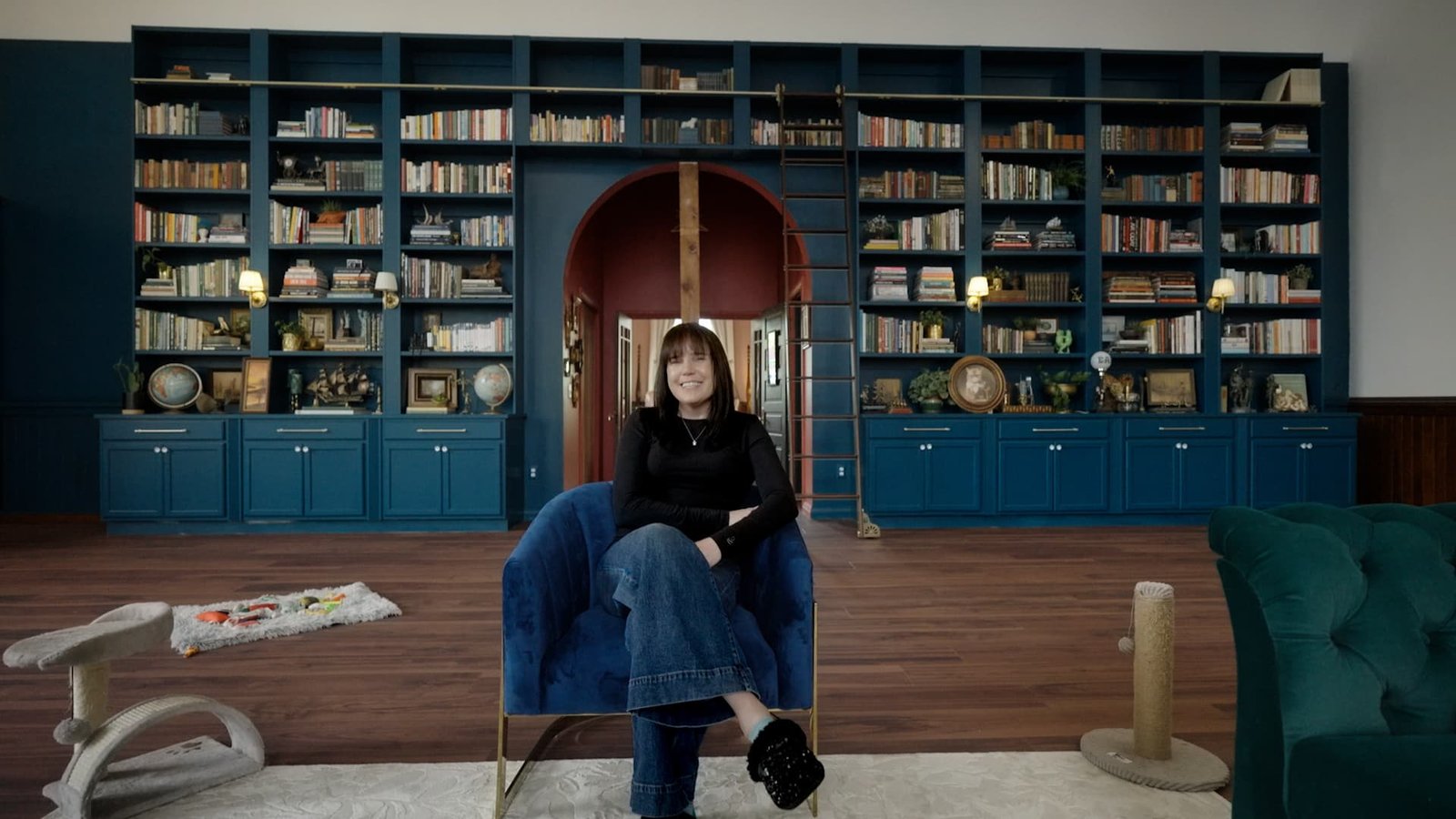
The intersection of adaptive reuse architecture and digital content creation has found a unique focal point in a 128-year-old Methodist church in Michigan. Whitney Anderson, an interior stylist formerly based in New York City, has spent the last two years executing a comprehensive renovation of this historic structure, transitioning it from a derelict, water-damaged property into a functional, multi-use residence. This project, which Anderson refers to as her “chouse,” serves as a case study in both the technical challenges of historical preservation and the modern acceleration of renovation through social media integration.
Technical Challenges in Adaptive Reuse
Renovating an 1898 structure required significant structural intervention before any aesthetic improvements could be considered. The initial state of the property was characterized by severe water intrusion, leading to compromised roof integrity and substantial mold development. The remediation process necessitated the use of industrial-grade safety equipment, such as respirator masks, to mitigate health risks during the initial phases of demolition.
Beyond structural stabilization, the project involved the integration of modern living standards into a building originally designed for assembly. This required the modernization of building envelopes, waterproofing, and the installation of contemporary utilities. For the primary living space, Anderson utilized an 80-foot boom lift to facilitate exterior work, demonstrating the high-risk, high-effort nature of self-performed renovation on large-scale architectural projects. The endeavor highlights the logistical difficulties of sourcing specialized professional services in rural areas while maintaining a strict budget, which has currently reached approximately $194,000.
Preservation and Material Repurposing
A core requirement of the renovation was the preservation of the building’s historical integrity. This involved protecting the original stained-glass windows, which were a primary driver in the site’s acquisition. Anderson opted for a philosophy of material circularity, repurposing non-original elements discovered within the property.
Specifically, discarded pews were processed and integrated into interior infrastructure, including the construction of a large-scale library wall and a custom dining set. Further material recycling occurred in the kitchen, where original entryway doors and a former communion table were repurposed to create functional kitchen islands. This strategy serves a dual purpose: it reduces the demand for new building materials—thus lowering costs—and maintains a consistent architectural language throughout the conversion of the sanctuary into a residential floor plan.
Digital Acceleration and Monetization
The timeline of the project was significantly altered following a surge in digital visibility. In March 2025, a short-form video documenting the renovation gained extensive traction on social media, garnering 16 million views. This digital amplification acted as a catalyst for professional support, leading to a partnership with the Magnolia Network.
The involvement of a television production crew necessitated an accelerated work schedule, shifting the renovation from a multi-year, self-paced effort to a compressed eight-month intensive period. While this shift created significant operational strain, it provided a framework for sponsorships and partnerships. Manufacturers provided kitchen appliances, cabinetry, flooring, and professional labor at no cost, effectively subsidizing a portion of the project’s high overhead. This outcome illustrates a growing trend where project documentation on digital platforms provides the necessary capital and trade support required for large-scale, high-cost residential renovations.
Future Utility and Operational Planning
The long-term strategy for the property extends beyond personal residence. The current site includes the converted church and an adjacent four-bedroom parsonage. The technical roadmap for the next stage of development involves an estimated $40,000 excavation project on the parsonage, essential for site stability and future habitability.
Anderson intends to leverage the full footprint of the property to establish a bed-and-breakfast business. The conceptual layout involves hosting guests in the parsonage while utilizing the main “chouse” as a communal dining and gathering space. This transformation of a single-use religious facility into a hybrid residential and commercial entity highlights the economic necessity of creating revenue-generating models when restoring large, older structures.
Strategic Impact of Small-Scale Restoration
The project serves as a practical blueprint for those pursuing the restoration of historic, underutilized commercial buildings. By balancing personal labor with social media-driven sponsorships, Anderson has mitigated the financial risks inherent in large-scale property speculation. The goal of remaining under a $400,000 total investment—inclusive of acquisition and structural repair—is an aggressive target for a 3,500-square-foot property with an additional secondary structure.
The success of the “chouse” demonstrates that the viability of such endeavors often relies on a combination of technical adaptability, historical sensitivity, and the strategic use of contemporary digital tools to attract industry partnerships. As the project moves toward its 2028 completion target, it continues to serve as an example of how digital engagement can directly influence the physical restoration of historic architecture.
Disclaimer: This content is auto-generated for informational purposes only.
Source: Read Original News