






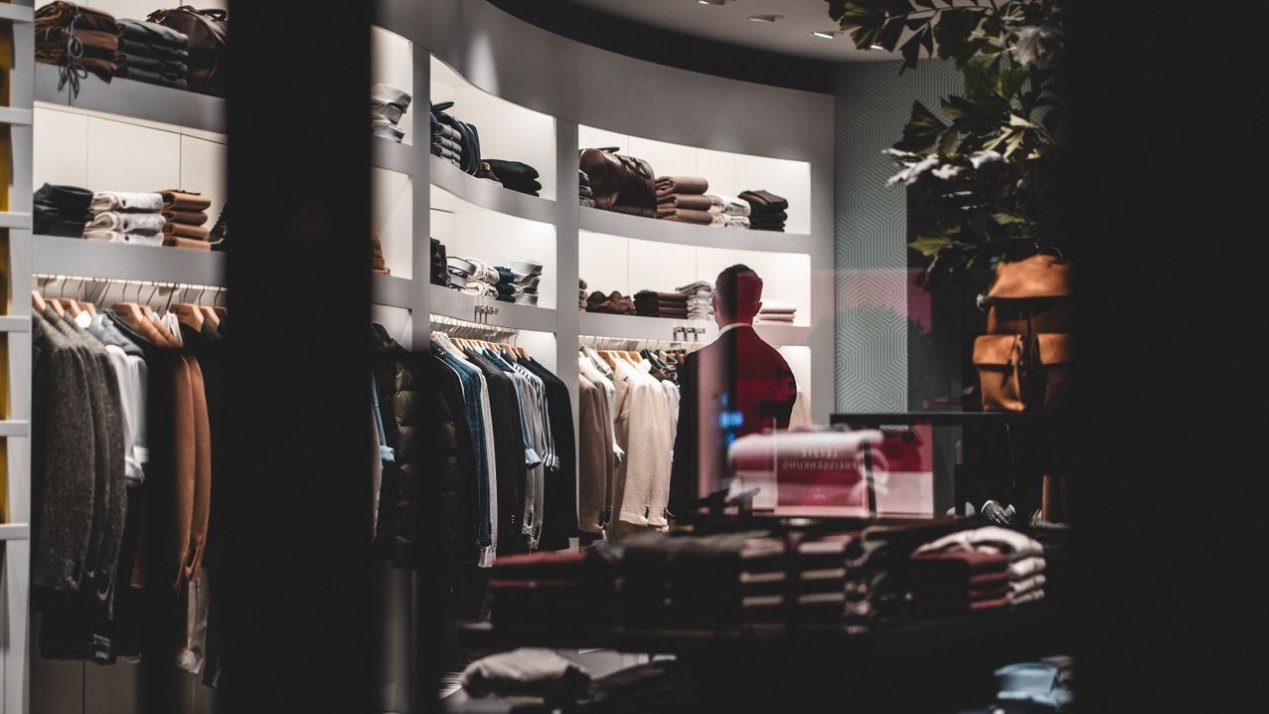
Mexico’s retail sector is bracing for a wave of aggressive physical and digital expansion in 2026, as industry leaders aim to capture market share despite ongoing economic headwinds. Industry forecasts from the consultancy Todo Retail indicate that the nation will see the debut of at least 3,000 new storefronts, spanning everything from neighborhood convenience shops to major department store chains. This localized growth is projected to bolster retail sales by a minimum of 5%, as companies pivot toward sophisticated, tech-driven business models.
## The Omnichannel Imperative and AI Integration
The modern retail landscape in Mexico is no longer defined by physical presence alone. To maintain competitiveness, major players are pouring capital into what experts call the “omnichannel” model—a seamless integration of brick-and-mortar locations with robust e-commerce capabilities.
Central to this transformation is the strategic deployment of artificial intelligence. Retailers are increasingly turning to AI-driven logistics to optimize supply chains and manage inventory with high precision. For instance, Grupo Coppel has allocated a significant portion of its MX$14.3 billion 2026 investment plan specifically toward technological overhauls. By leveraging AI to predict regional demand and streamline last-mile delivery, the company aims to reach 98% of all Mexican postal codes within a three-day window.
Beyond logistics, technology is being used to bridge the gap between digital and physical shopping. Innovations such as biometric authentication, cross-device shopping carts, and in-store digital kiosks are becoming standard, allowing customers to browse massive online catalogs while physically present in a store.
## Strategic Investments: H-E-B and Grupo Coppel
While the national trend focuses on digital acceleration, regional physical expansion remains a priority for retailers targeting high-growth areas. H-E-B México, for example, is doubling down on Northern Mexico, recently unveiling a MX$350 million “Mi Tienda del Ahorro” location in Juarez, Nuevo Leon. This facility, which adds to a network of 91 stores nationwide, highlights the continued importance of physical hubs in key manufacturing regions where population growth continues to drive demand.
In contrast, Grupo Coppel’s strategy reflects a massive, multifaceted transformation. With plans to open over 80 new stores and renovate approximately 100 existing locations in 2026, the company is also diversifying its footprint to include specialized boutiques and motorcycle dealerships. This aggressive scaling is supported by a long-term, MX$80-billion, five-year commitment that treats sustainability and energy transition as foundational to its operational success.
## Navigating Consumer Behavior Shifts
Retailers are under increasing pressure to respond to a changing consumer profile. Economic uncertainty and tighter household budgets have altered shopping habits, with consumers visiting physical stores less frequently but making larger, more intentional purchases when they do.
This behavior shift has made digital advertising and data analytics more critical than ever. Younger generations in Mexico are leading the charge, frequently utilizing their smartphones to cross-reference prices and product specifications while in-store. Consequently, retailers who fail to harmonize their digital interface with their physical shopping environment risk losing customers who prioritize convenience and price transparency.
As the industry moves forward, the divide between stagnant firms and market leaders will likely be defined by their ability to embrace these technological shifts. As Jorge Quiroga, founder of Todo Retail, noted, failing to embed AI and data-driven intelligence into the core of the retail experience is no longer an option for those looking to survive in an increasingly competitive, digitally-connected market. The race for 2026 is clear: the winners will be those who successfully use data to make their physical stores feel as responsive as their online applications.
Disclaimer: This content is auto-generated for informational purposes only.
Source: Read Original News