







The Long-Awaited Arrival of the Saleen S1
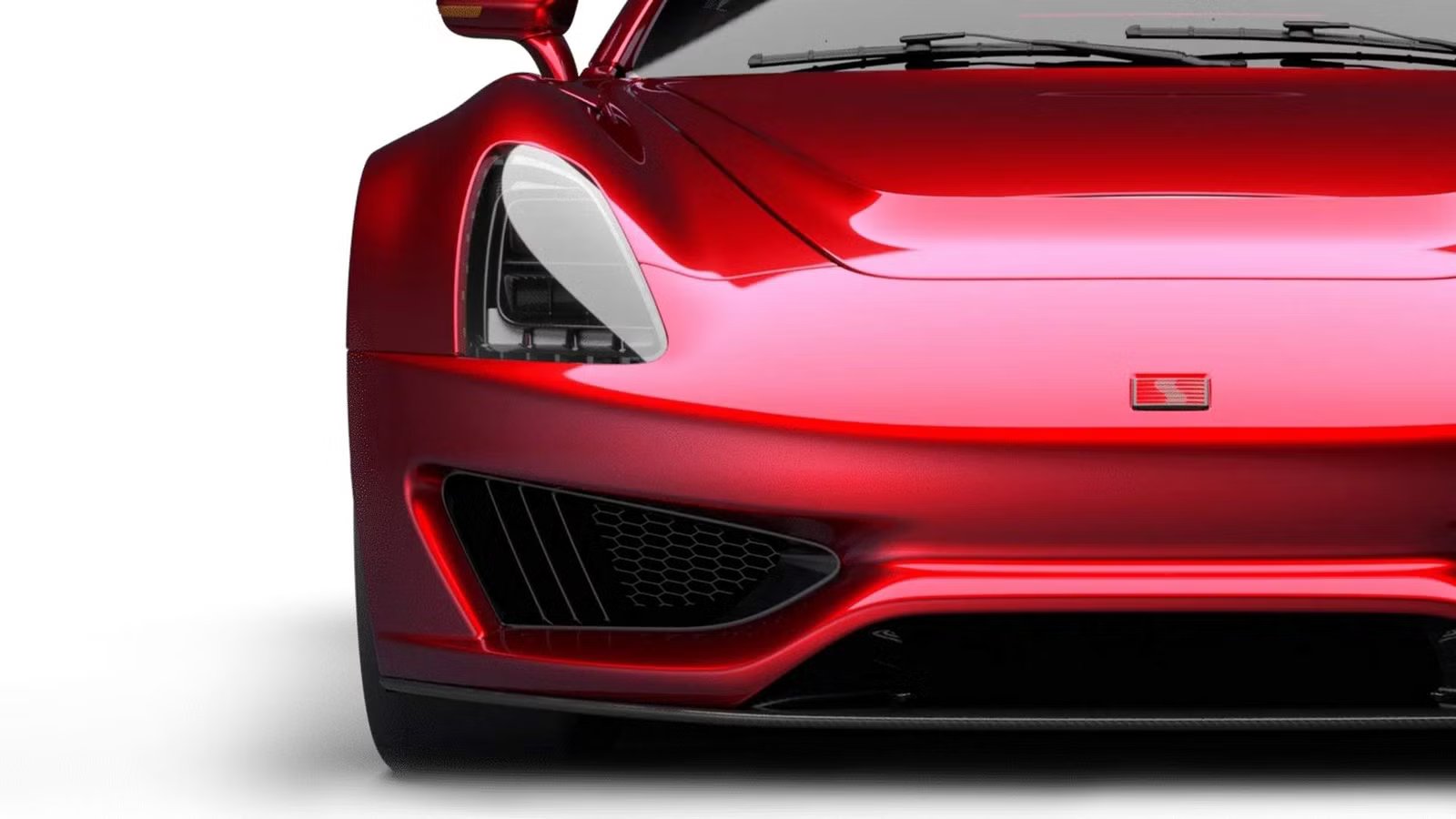
After nearly a decade of anticipation, developmental hurdles, and strategic pivots, Saleen Automotive has officially re-introduced its S1 sports car to the public. Known primarily for high-performance modifications to the Ford Mustang platform, founder Steve Saleen is shifting focus toward a proprietary mid-engine machine. The S1, first teased at the LA Auto Show nearly ten years ago, has emerged from the shadows with finalized performance specifications that aim to carve out a niche in the competitive sports car market.
The unveiling arrived via a stylized social media production, emphasizing the engineering pedigree behind the project. While the visual presentation leaned into dramatic flair, the technical data buried within the campaign provides a clearer picture of what the S1 brings to the table. The vehicle is rated at 450 horsepower and 425 pound-feet of torque. These figures suggest a significant refinement in the powertrain department; while the horsepower output remains consistent with original projections from 2015, the torque has seen a notable increase, contributing to a factory-claimed zero-to-60 mph sprint of 3.2 seconds—an improvement over the previously stated 3.5-second estimate.
Engineering and Performance Metrics
The S1 occupies a unique space in the current automotive landscape. While specific mechanical details regarding the powertrain—such as the status of the previously discussed 2.5-liter four-cylinder engine—remain somewhat opaque, the company emphasizes the development process. Saleen maintains that the car has undergone rigorous testing, incorporating advanced automotive engineering practices.
The company explicitly lists laminar flow analysis, comprehensive crash testing, and sophisticated shock valving as core components of the S1’s development cycle. By positioning the S1 as a “scientific triumph,” the manufacturer is attempting to bridge the gap between boutique, low-volume production and the high-performance standards required for modern road legality. Saleen’s marketing materials lean heavily on the brand’s history, citing 119 race wins and 13 championships as proof that their manufacturing standards are derived directly from the pressures of competitive motorsport.
Market Positioning and Competitive Impact
It is vital to clarify that the S1 is not a successor to the legendary Saleen S7. That vehicle, which debuted in 2000, was a raw, high-displacement hypercar featuring a 7.0-liter Ford V8 capable of generating up to 750 horsepower and achieving speeds in the realm of 250 mph. The S1 is a more approachable, modern take on the mid-engine sports car format.
In the current market, the S1 faces a vastly different environment than the one present at its initial announcement. With competitors like the McLaren Artura offering hybrid-assisted performance and the Chevrolet Corvette C8 pushing the boundaries of price-to-performance ratios, the $160,000 starting price of the S1 puts it in a challenging segment. It targets enthusiasts who value the exclusivity of a boutique American manufacturer over mass-produced performance vehicles, yet it must deliver on its promise of “highest level” performance to justify the premium over more established rivals.
Reservation Logistics and Production Outlook
Saleen has opened the reservation process for the S1, requiring a $1,000 deposit that the company characterizes as fully refundable. This move signals that the company is transitioning from the conceptual and development phases toward a production-ready model. However, prospective buyers should note that while the specifications are now set, a firm production timeline remains absent.
The journey of the S1 has been fraught with complications, including a failed expansion into the Chinese market that stalled the vehicle’s progress for several years. Now that the project has been revived, the burden of proof rests on the company’s ability to deliver a consistent, reliable final product. Given the rapid evolution of automotive technology over the last ten years, the S1 will be judged not only by the promises made when it was first unveiled but by its ability to compete against modern machinery that has since raised the bar for acceleration, handling, and electronic integration.
Future Relevance in a Changing Industry
The release of the S1 represents a critical junction for the Saleen brand. Having survived the fiscal and logistical volatility of the past decade, the company is attempting to prove that its engineering expertise remains relevant. The primary challenge the S1 faces is “time-lag” relevance. In an era dominated by hybrid powertrains, active aerodynamics, and advanced digital cockpits, the S1 must demonstrate that its specific blend of mechanical engineering and boutique styling still resonates with a performance-oriented audience.
Whether the S1 becomes a successful cornerstone for the brand’s future or a historical curiosity depends on the final production output. If the vehicle lives up to the performance claims and the rigorous testing standards promised by Steve Saleen, it may find a dedicated following. If it falls short of those metrics, it risks being overshadowed by manufacturers who have continued to innovate during the S1’s long gestation period. For now, the automotive community awaits the first official road tests to see if the S1 can truly deliver on the ambitions that kept it in development for nearly a decade.
Disclaimer: This content is auto-generated for informational purposes only.
Source: Read Original News