








The Arrival of the RTX Spark Architecture
Nvidia has officially entered the high-end thin-and-light laptop market with the launch of its new RTX Spark chip. This architecture represents a significant departure from the company’s traditional focus on discrete graphics cards, moving toward a unified system-on-a-chip (SoC) design that integrates robust processing power with advanced artificial intelligence acceleration. By entering this territory, Nvidia is positioning its hardware as a direct competitor to Apple’s M-series silicon, specifically targeting the professional-grade MacBook Pro demographic.
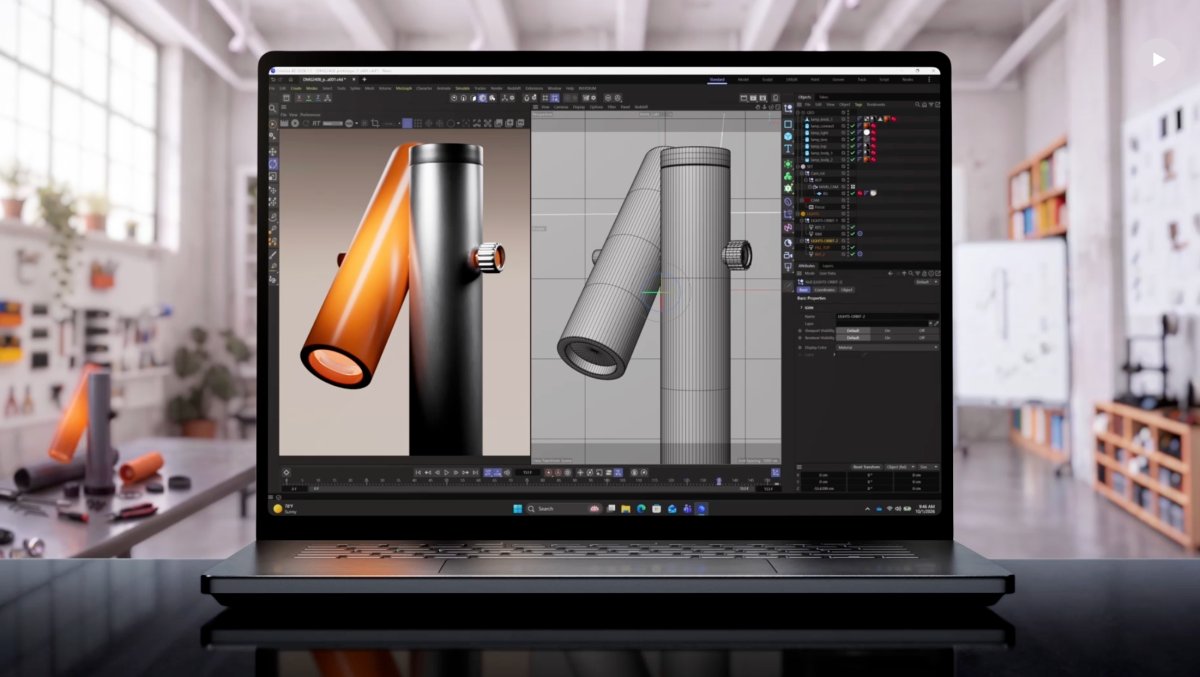
The RTX Spark line brings a new level of silicon integration to Windows-based devices. Manufacturers including Dell, Lenovo, MSI, HP, and Asus have already committed to the platform, signaling a major industry shift toward consolidated, high-performance computing. These laptops are engineered to handle demanding creative workflows, such as 8K video editing, complex 3D rendering, and local large-language model (LLM) execution, all within a portable form factor.
Performance and Technical Specifications
The RTX Spark chip features a scalable core count, with base models starting at 18 cores and performance-tier units scaling up to 20 cores. This multi-core architecture is designed to handle high-throughput tasks by balancing CPU instruction cycles with dedicated AI tensor cores. A critical aspect of the RTX Spark design is the implementation of unified memory. By allowing the CPU and the onboard graphics engine to share a high-speed memory pool, the system eliminates traditional data bottlenecks between discrete components.
Entry-level configurations start at 24GB of unified memory and 512GB of solid-state storage. However, the hardware supports configurations up to 128GB of memory, addressing the needs of data scientists and video engineers who require massive memory overhead. While storage capacity remains user-dependent based on the manufacturer’s design, the core platform is built for speed, utilizing advanced bus architectures to ensure that the memory latency remains as low as possible during heavy computational loads.
Market Positioning and Pricing Strategies
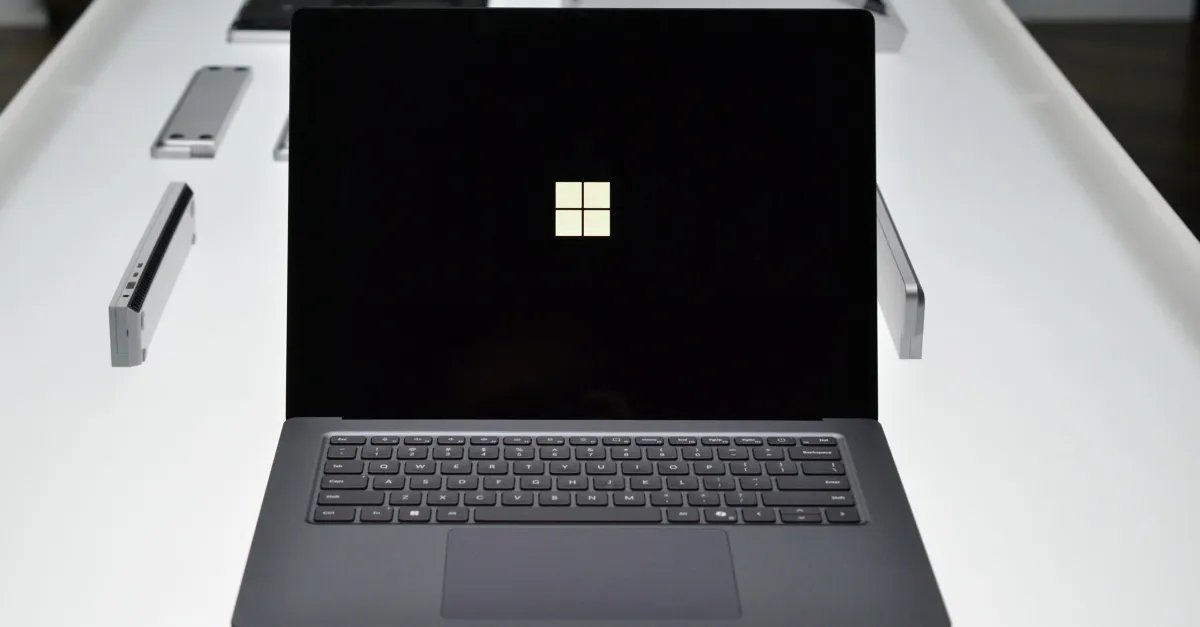
The pricing for RTX Spark laptops reflects their status as premium, flagship devices. With base prices starting at $2,599, these machines occupy a segment previously dominated almost exclusively by high-end Apple hardware. For instance, the Surface Laptop Ultra, Microsoft’s primary offering in this ecosystem, is positioned to serve as a reference design for the capabilities of the new chip.
At the upper end of the spectrum, the cost scales aggressively. Enthusiast-grade configurations, such as the kitted-out Asus ProArt P16, reach nearly $7,000 when equipped with the maximum 128GB of RAM and high-capacity storage. This pricing strategy signals that Nvidia and its partners are not attempting to undercut the market, but rather are focusing on providing a hardware experience that justifies a premium investment through professional-grade build quality, specialized display technology—typically 3K OLED panels—and optimized AI performance.
Impact on the Professional Workflow
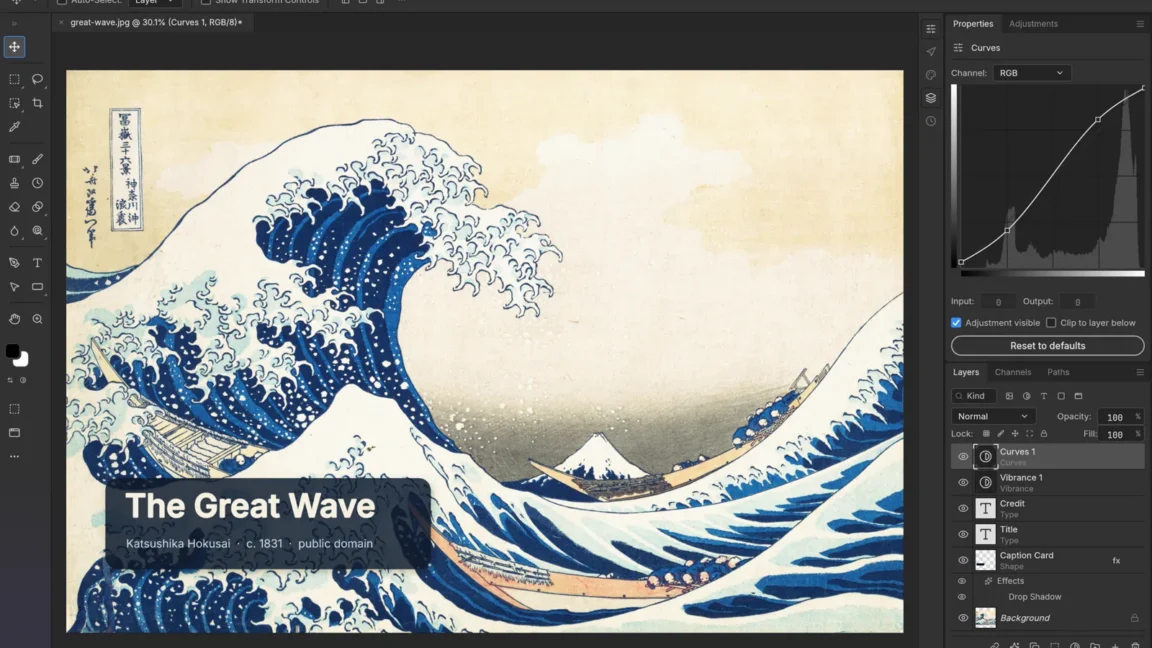
For content creators, developers, and AI researchers, the promise of the RTX Spark is the ability to perform complex tasks locally without relying on cloud-based processing. The integration of specialized AI cores allows for real-time acceleration of software suites like Adobe Creative Cloud and various machine learning development environments. By shifting the workload to local hardware, professionals can ensure data privacy and maintain productivity in scenarios where high-speed, low-latency cloud access is not guaranteed.
The transition toward unified memory is perhaps the most significant impact on the workflow. In traditional laptop architectures, the separation of system RAM and dedicated GPU VRAM often hindered performance in memory-intensive tasks. By consolidating these resources, the RTX Spark architecture allows developers to train larger neural networks and load high-resolution assets into memory more effectively. This shift represents a fundamental improvement in how Windows laptops handle resource-heavy creative applications.
Industry Implications and Future Outlook
The launch of the RTX Spark ecosystem is a pivotal moment for the Windows-based PC market. For years, Apple has held a distinct advantage in performance-per-watt and memory bandwidth due to its custom Silicon designs. Nvidia’s entry suggests that the Windows hardware industry is moving toward a more tightly integrated hardware-software model to close this gap.
As these devices reach consumers starting in mid-October, the market will gain a clearer picture of how well the hardware translates into real-world efficiency. If the RTX Spark architecture succeeds in providing the performance stability that users expect from a $3,000+ machine, it could lead to a permanent shift in how manufacturers approach high-end laptop design. This evolution suggests that the future of premium computing will be defined by specialized, domain-specific silicon, further raising the barrier for entry in the ultra-thin, high-performance laptop market. Whether these devices can maintain their performance under thermal constraints remains the key question that will determine their long-term adoption in professional environments.
Disclaimer: This content is auto-generated for informational purposes only.
Source: Read Original News