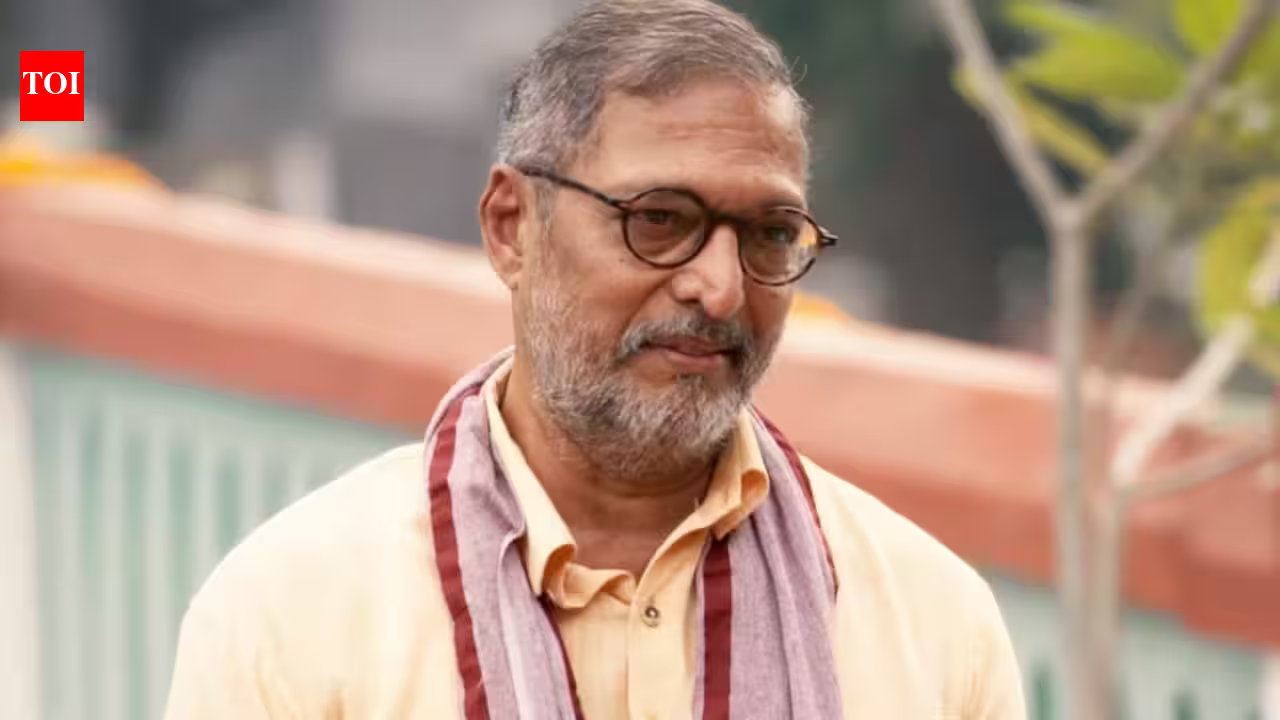






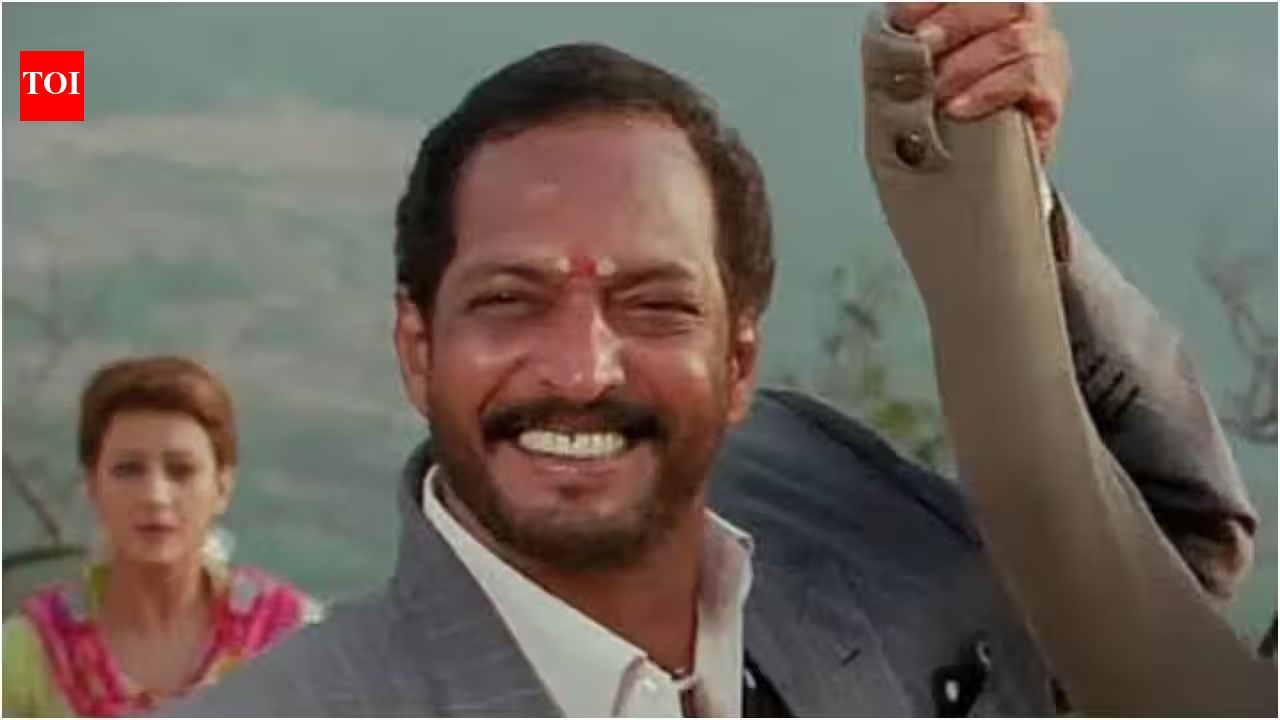

The Indian film industry is currently draped in mourning, grappling with the sudden and heartbreaking loss of one of its most formidable icons. Nana Patekar, the mercurial, intense, and deeply respected veteran actor, passed away on October 8 at the age of 75. His death, triggered by a cardiac arrest at his residence in Goa, has sent shockwaves through the cinematic landscape, leaving behind a void that arguably no other actor can fill.
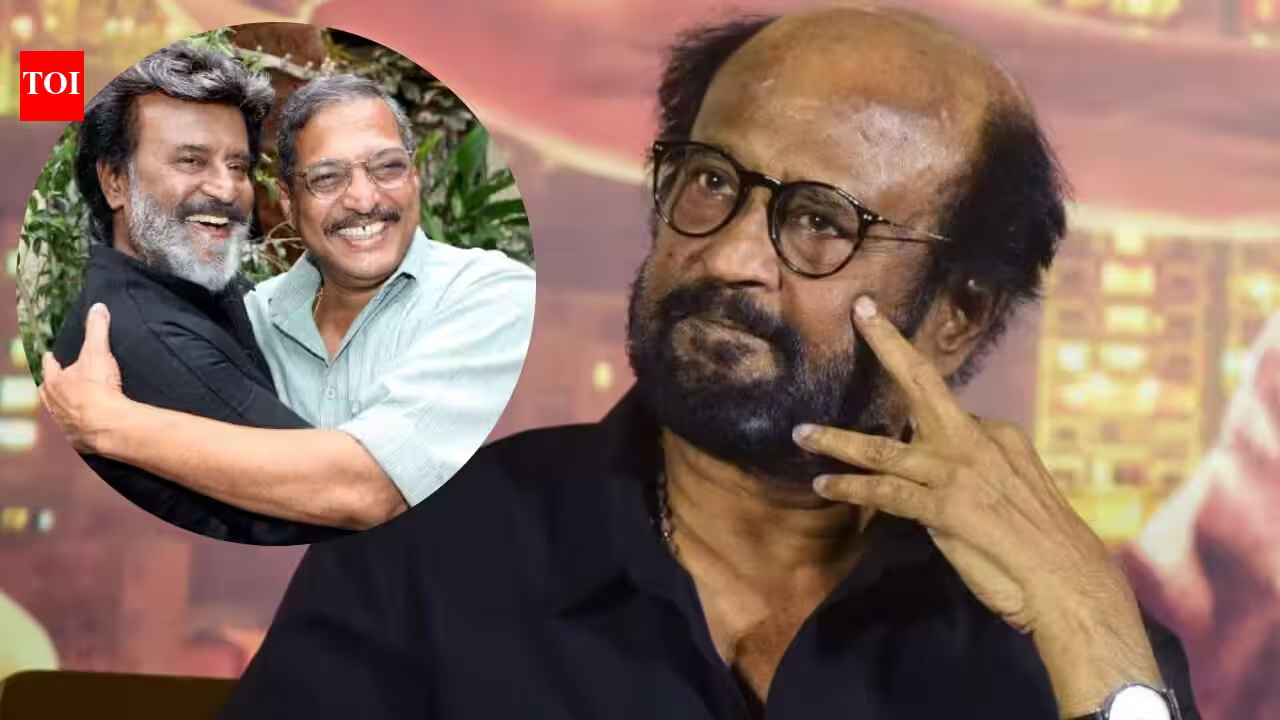
The news, which broke late Tuesday, prompted an immediate outpouring of grief from fans and peers alike. Yet, perhaps the most poignant reaction came from the man who stood toe-to-toe with him in one of his most high-profile later-career roles: Superstar Rajinikanth.
A Bond Forged in Conflict: Rajinikanth’s Tribute
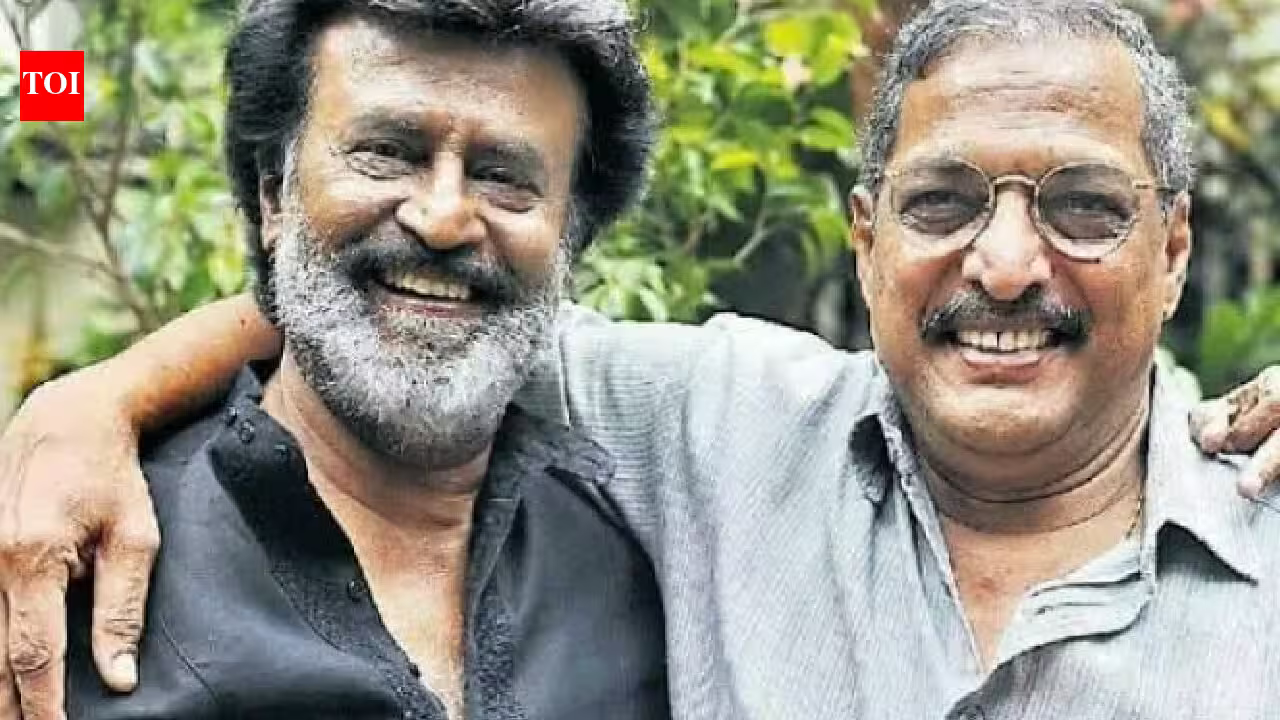
The chemistry between Rajinikanth and Nana Patekar in Pa. Ranjith’s 2018 socio-political drama Kaala was nothing short of electric. On screen, they were bitter rivals—the stoic, grounded ‘Kaala’ against the polished, ruthless politician Haridev Abhayankar. Off-screen, however, there was a profound mutual respect that transcended language barriers and regional cinema borders.
Upon hearing of the tragedy, Rajinikanth took to social media to express his profound disbelief. “I can’t believe my dear friend Nanaji is no longer with us,” he wrote. “My deepest condolences to his family and loved ones. May his soul rest in peace.” For fans of Kaala, this tribute is a stark reminder of the gravity of the film’s central conflict, which was fueled entirely by the formidable screen presence of two titans who commanded respect the moment they stepped before the lens. Their collaborative energy in the film became the benchmark for the “hero-villain” dynamic in modern Indian cinema.
The Architect of Intensity: A Career Defined by Power
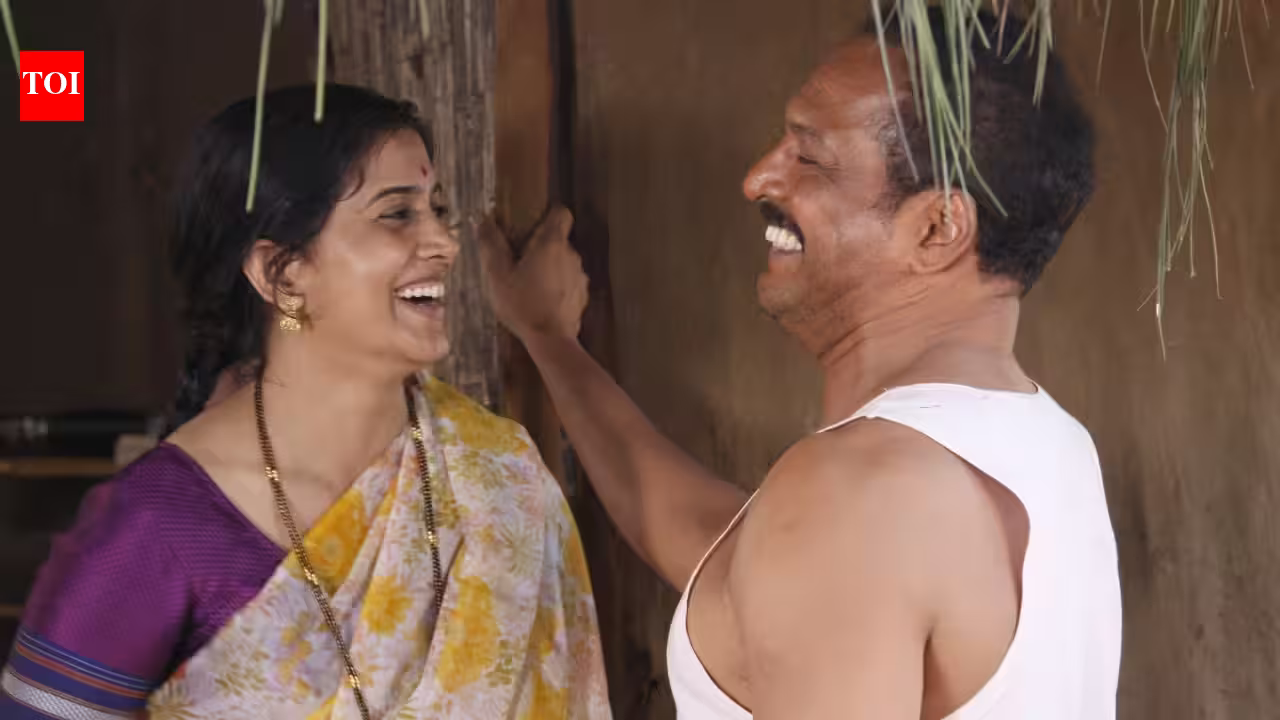
To speak of Nana Patekar is to speak of an acting style that was synonymous with raw, unfiltered intensity. He wasn’t just an actor; he was a force of nature. Whether he was playing a soldier in Prahaar, an embittered journalist in Parinda, or a trigger-happy encounter specialist in Ab Tak Chhappan, Patekar brought a level of gravitas to his roles that felt dangerous and authentic.
His influence wasn’t confined to Hindi cinema. While he was a staple of Bollywood’s golden era of gritty, realistic dramas, he also made significant inroads into Marathi cinema, where he was revered as a son of the soil. His ventures into Tamil cinema, starting with Bharathiraja’s Bommalattam, showcased his willingness to experiment beyond his comfort zone. In Kaala, he didn’t just “play” a villain; he embodied the archetype of the sophisticated oppressor, making his performance the most talked-about element of the film. His ability to convey volumes with a single, piercing gaze made him an actor’s actor, a man whose technique was as studied as his persona was unapproachable.
A Legacy Written in Accolades and Humanitarianism
Nana Patekar’s mantle was heavy with honors, including three National Film Awards and the prestigious Padma Shri. Yet, to measure his life solely by his trophies would be to ignore his immense humanitarian efforts. Long before it became common for stars to champion social causes, Patekar was actively involved in disaster relief and farmers’ rights, often choosing to live in near-ascetic simplicity despite his immense stardom.
His commitment to his craft and his country remained ironclad until the very end. The incident in Goa—where he was reportedly found unconscious in his Dona Paula home—serves as a tragic reminder of how quickly life can flicker out. Despite the frantic, 45-minute attempt by medical professionals to revive him through CPR, the legendary actor had already left the stage for the final time.
The Final Act: How the Industry Remembers a Titan
As tributes continue to flood in—from the Prime Minister’s office to the humblest cinema halls in Maharashtra—the narrative remains consistent: we have lost an institution. PM Modi, in his own tribute, hailed the veteran’s unparalleled contribution to both Hindi and Marathi cinema, acknowledging that Patekar’s influence on the craft of acting had set a standard that remains difficult to replicate.
The industry is currently coming to terms with the loss, with funeral arrangements and memorial services being planned to honor his request for a dignified departure. The streets of Mumbai and Pune, places he often walked with a quiet intensity, feel a little emptier today.
Closing the Curtain on a Singular Talent
It is rare to find an artist who could play a menacing antagonist, a brooding romantic, and a vulnerable social activist with the same level of conviction. Nana Patekar leaves behind a legacy of integrity. He was a man who demanded excellence from himself and those around him, a man whose dialogue delivery—sharp, rhythmic, and often biting—defined the sound of an entire generation of Indian cinema.
As the film fraternity gathers to pay their final respects, we are reminded that while the lights may have dimmed on his final performance, the echoes of his work in Kaala, Krantiveer, and Parinda will continue to ring out. Rajinikanth’s grief is echoed by millions of moviegoers who grew up watching Patekar command the screen with a twitch of his eyebrow or a resonant, thunderous monologue. Nana Patekar may be gone, but in the annals of Indian cinematic history, he will always remain the formidable “Nanaji”—a titan whose presence was, and will always be, larger than life.
Disclaimer: This content is auto-generated for informational purposes only.
Source: Read Original News