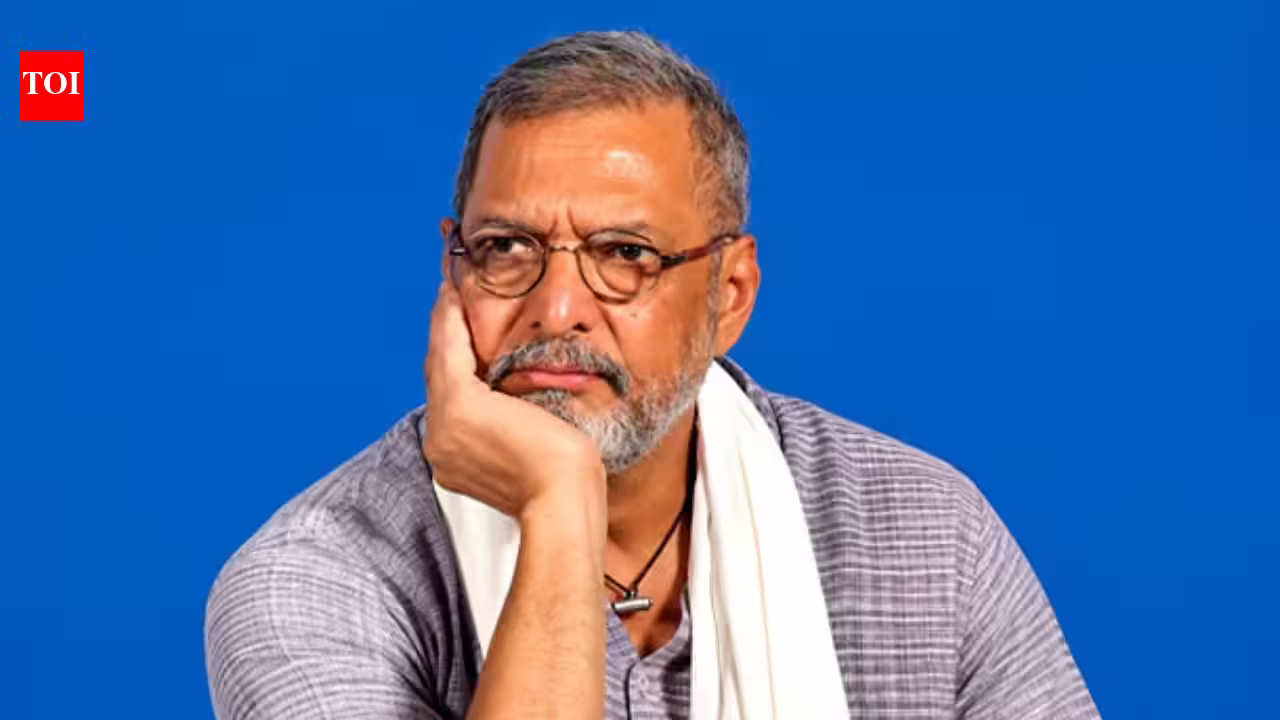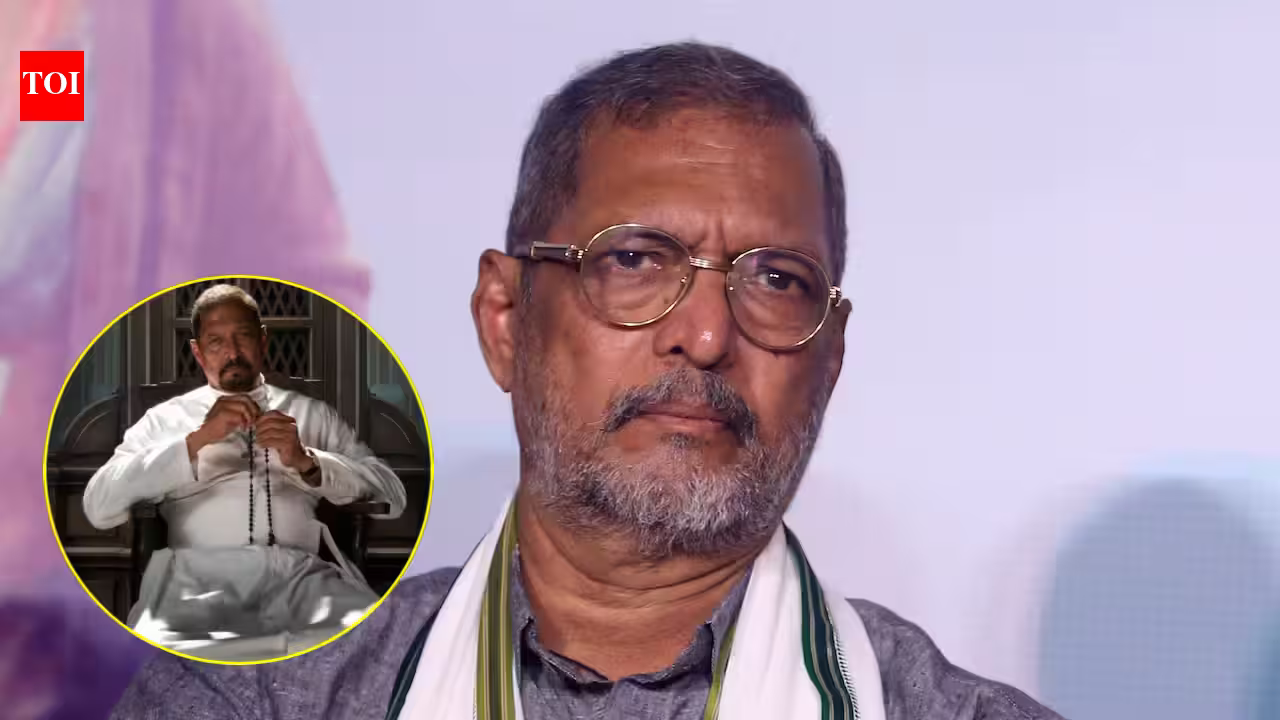






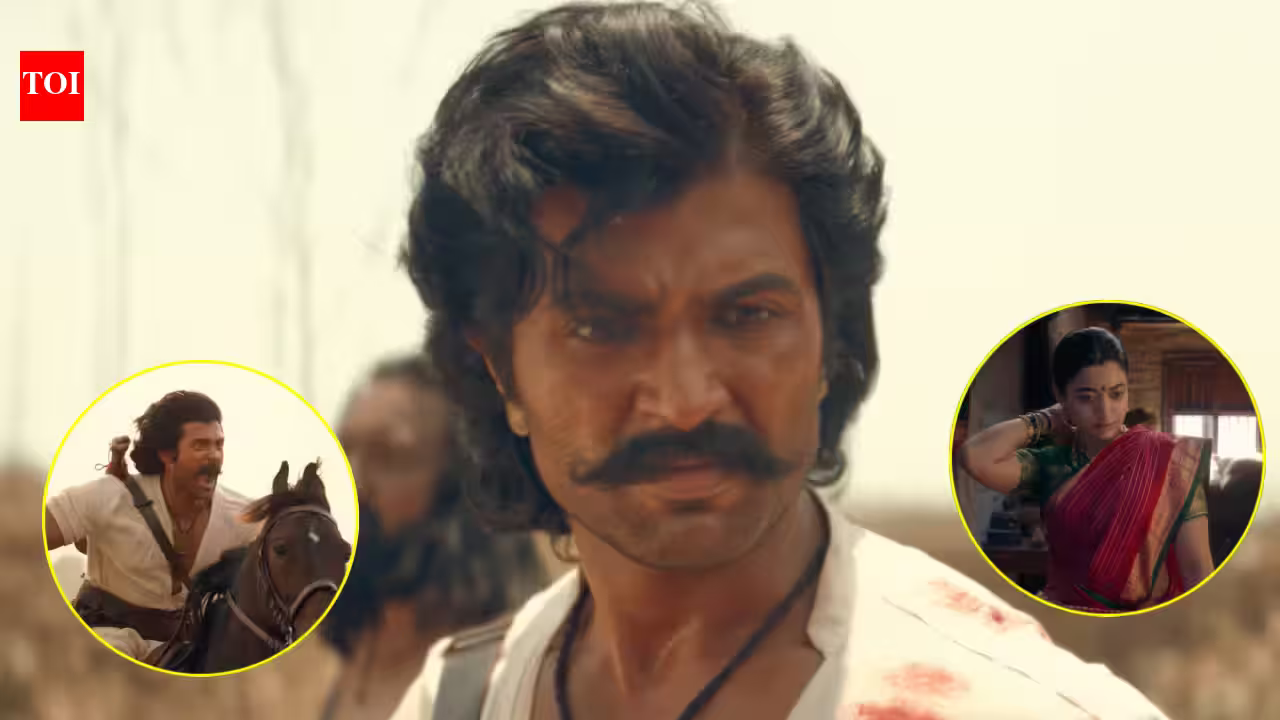



The Indian film industry is currently draped in a profound sense of loss. With the passing of Nana Patekar this Thursday at the age of 75, a towering monument of intensity, precision, and raw human performance has been dismantled. While the nation prepares to bid a final farewell with a state funeral in Pune, the retrospectives pouring in from colleagues paint a portrait of a man who was far more complex than the headlines of his volatile reputation ever suggested.
Among the most poignant reflections to surface in the wake of his sudden passing—attributed to a fatal cardiac arrest—is that of writer Sutapa Sikdar. For those who remember the mid-90s cinematic landscape, Khamoshi: The Musical remains a landmark achievement, a film that signaled the arrival of Sanjay Leela Bhansali’s distinct visual poetry. But for Sikdar, who served as the film’s dialogue writer, the experience of being on that set was one defined by a peculiar, intimidating, yet ultimately life-changing dynamic with its lead actor, Nana Patekar.
The shadow of a giant
Sikdar was a newcomer in 1996, walking into the high-pressure cooker of a major commercial production. Her memories of the Khamoshi set are etched with a visceral clarity. “My first memory of him is everybody standing scared and so terrified of him,” she revealed in an interview with SCREEN.
The fear, she notes, was contagious. As a young woman stepping into the industry, she was already navigating the nerves of a first-timer, but the reputation of Patekar—a man known for his razor-sharp temper and uncompromising artistic standards—added a layer of genuine trepidation. Yet, in what would become a recurring theme in Patekar’s life, the “terrifying” exterior was often a fragile shell guarding a man who possessed an unexpected, quiet capacity for mentorship and warmth. Once the ice was broken, that fear evaporated, replaced by a professional bond that saw him inviting her into his home, a tradition he continued during the Ganesh Chaturthi festivities.
The friction of artistic integrity
The creative process is rarely a frictionless endeavor, especially when dealing with a titan like Patekar. Sikdar recounts a specific, heart-pounding episode during the making of Khamoshi that serves as a masterclass in professional maturity—from both parties.
While drafting the screenplay, Sikdar penned a scene centered entirely on Seema Biswas and Manisha Koirala, intentionally omitting Patekar’s character. When the actor discovered he had been sidelined without a consultation, the set was electrified by his displeasure. It was, in Sikdar’s words, a “terrifying moment.”
What followed, however, redefined her perception of the man. Instead of letting the incident fester, Patekar sought her out in the quiet of the night. He didn’t come to apologize; he came to understand. When Sikdar admitted her struggle with his outbursts—linking her reaction to her own father’s temper—Patekar didn’t dismiss her feelings. He listened. He acknowledged the helplessness that anger inflicts on others. It was an act of profound humility for a seasoned star to sit with a novice writer and deconstruct the impact of his own intensity.
A reflection on the missing “Grace”
The discourse surrounding Patekar’s legacy has inevitably touched upon the shifting tides of the film industry. In her tribute, Sutapa Sikdar—who lost her husband, the legendary Irrfan Khan, in 2020—pointed to a systemic degradation in how the industry treats its talent.
She argues that Patekar’s willingness to “take sh*t” from a young, inexperienced writer and engage in a dialogue about creative differences is a trait rarely found in the modern cinematic climate. There is a “grace” missing from the current corridors of power, she notes—a lack of patience for nurturing raw talent and a failure to properly utilize the gargantuan gifts of actors like Patekar and her late husband, Irrfan. Her words serve as a stark reminder that the “golden era” was not just about better scripts or music, but about a specific, honorable code of conduct between storytellers.
The final curtain call
As news of his passing reverberated through the nation, the Maharashtra government moved swiftly to honor his singular legacy. Cultural Affairs Minister Ashish Shelar announced that the veteran actor will be accorded a state funeral, a fitting tribute for a recipient of the Padma Shri and a three-time National Award winner.
The honor reflects not just his cinematic longevity, but his deep, immovable roots in the soil of Marathi theatre—a medium he championed with the same ferocious dedication he brought to the screen. As his final rites are conducted at his Pune farmhouse today, the industry is left to grapple with a void that cannot be filled by technique alone.
Nana Patekar was an anomaly in an era of manufactured personas. He was volatile, he was brilliant, and as those who were lucky enough to stand behind the camera with him can attest, he was capable of a rare, humanizing grace. The cameras have stopped rolling, but the echoes of his performance—and the lessons he taught the young writers who were once “terrified” of him—will remain, as indelible as the characters he breathed life into.
Disclaimer: This content is auto-generated for informational purposes only.
Source: Read Original News