







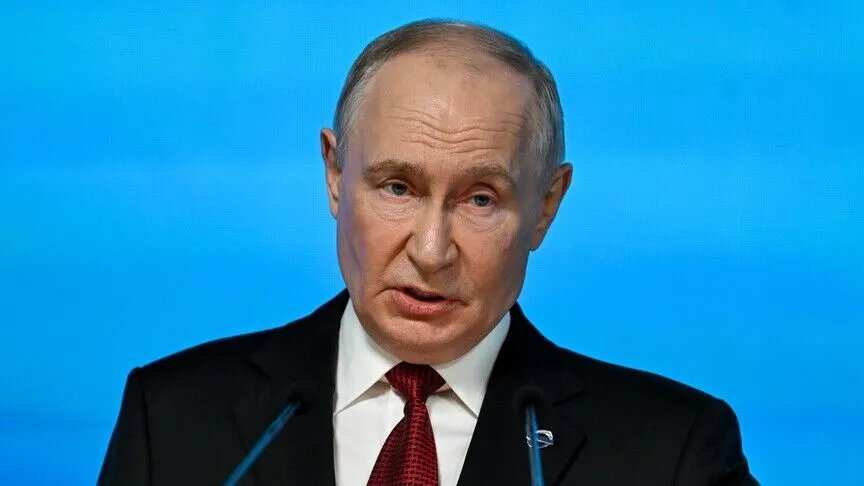
ASHGABAT — Russian President Vladimir Putin arrived in Turkmenistan on Thursday for a two-day diplomatic mission, centered on a dual-purpose summit that brings together leaders of the Commonwealth of Independent States (CIS) and representatives of the five nations bordering the Caspian Sea.
The visit, which commenced with an arrival ceremony at Turkmenbashi International Airport near the Avaza National Tourist Zone, marks a critical juncture for regional environmental policy. While the CIS segment of the summit aims to consolidate political and economic cooperation, the specialized environmental summit on the Caspian Sea represents a high-stakes effort to address the fragile ecology of the world’s largest inland body of water.
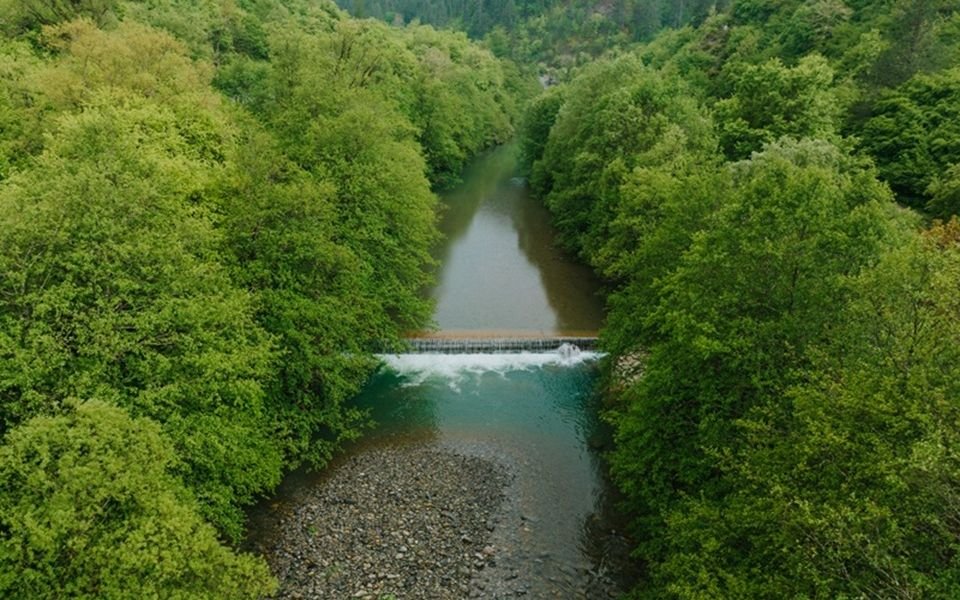
The Caspian Sea, home to a unique biodiversity—most notably the critically endangered Caspian seal and various endemic sturgeon species—faces mounting pressure from industrial activity, infrastructure development, and the worsening impacts of climate change. As leaders from Azerbaijan, Iran, Kazakhstan, Russia, and Turkmenistan convene, the primary agenda for the environmental segment involves coordinating a unified approach to conservation and the sustainable management of the sea’s resources.
According to statements released by the Kremlin, the environmental summit is intended to move beyond theoretical discussions to address “practical aspects of cooperation” regarding environmental protection. With all five littoral states historically reliant on the Caspian for energy extraction and maritime trade, the challenge lies in balancing industrial interests with the urgent need to address declining water levels and pollution. The Caspian has experienced significant fluctuations in water levels in recent years—a trend that scientists attribute to rising temperatures and shifting hydrological patterns—threatening both coastal infrastructure and the spawning grounds of indigenous aquatic life.
Beyond the environmental mandate, the broader CIS Heads of State Council meeting serves as a forum to evaluate the efficacy of the organization’s recent cooperation efforts. Kremlin presidential aide Yury Ushakov indicated that the summit will facilitate the adoption of several documents designed to bolster regional integration. These include frameworks for cooperation in information technology, law enforcement, and cultural humanitarian programs. Such initiatives are aimed at strengthening diplomatic ties and standardizing policy across the member states as they navigate a volatile international landscape.
The schedule for the two-day visit is packed with bilateral engagements, highlighting the importance of the summit as a networking hub for regional power brokers. Following his arrival, President Putin is slated to hold bilateral talks with Turkmen President Serdar Berdimuhamedov. The diplomatic focus will shift on Friday to a meeting with Iranian President Masoud Pezeshkian, with discussions expected to cover both bilateral energy interests and the collaborative environmental obligations required by the Tehran Convention—the primary treaty governing the protection of the marine environment of the Caspian Sea.
As the summit proceeds, international observers are closely watching to see if the rhetoric regarding environmental preservation will translate into binding, enforceable agreements. Given that the five Caspian nations share the burden of protecting a shared ecosystem that is highly sensitive to cross-border pollution and climate instability, the outcome of this meeting could determine the trajectory of environmental policy for the region for the remainder of the decade. For now, the leaders in Avaza remain focused on finalizing a common framework that addresses the delicate balance between the economic necessity of the Caspian’s resources and the imperative of its long-term ecological survival.
Disclaimer: This content is auto-generated for informational purposes only.
Source: Read Original News