









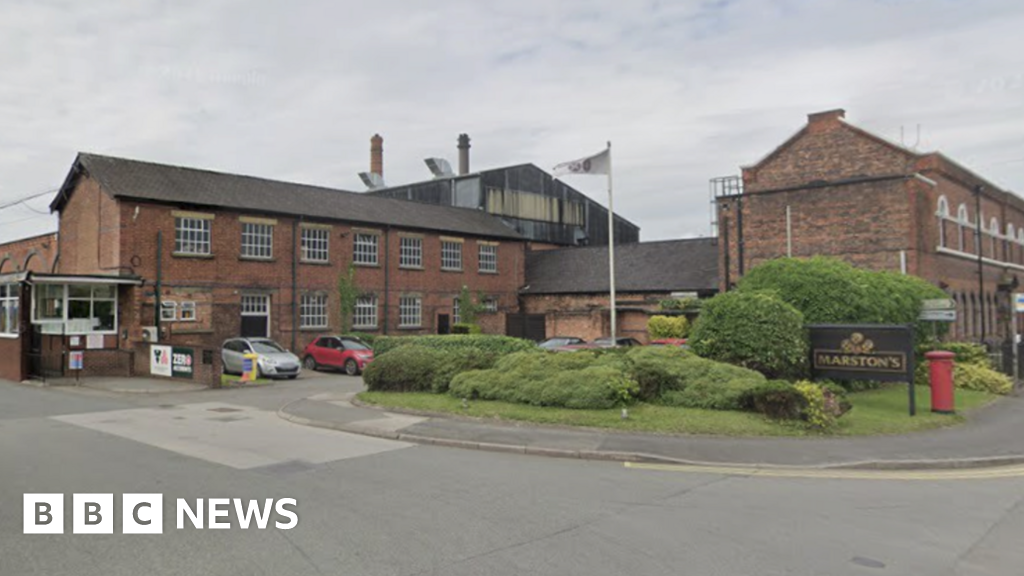
BURTON-UPON-TRENT — The historical heart of British brewing is facing a transformative shift as a multi-million-pound investment project aims to revitalize the town’s ancient relationship with the malting industry. For centuries, Burton-upon-Trent has been synonymous with beer, thanks to the unique mineral composition of the water sourced from the River Trent, which helped turn the town into the undisputed global capital of pale ale in the 19th century.
Today, local officials and heritage trusts announced a comprehensive “Brewing Legacy Initiative,” a series of architectural and industrial projects designed to marry the town’s industrial history with a modern, sustainable future. The initiative focuses on restoring several derelict Victorian-era malthouses, which have remained dormant landmarks since the industry consolidated and modernized in the late 20th century.
“Burton-upon-Trent is the bedrock of global brewing,” said Dr. Alistair Finch, a lead consultant on the heritage project. “The unique chemistry of our town’s water supply essentially built the modern beer industry. You cannot tell the story of the British Empire or global trade without mentioning the barrels that left this town by rail and river. This project isn’t just about preservation; it’s about ensuring that the next generation understands that brewing is not just a job here—it is our identity.”
The project arrives at a critical time for the town. While major global brewing corporations maintain a significant presence in the area, the artisanal sector has seen a surge in interest. Plans for the redevelopment include a “Brewing Innovation Hub,” intended to provide start-up spaces for independent micro-breweries and craft beverage makers, alongside an interactive museum that charts the evolution of brewing technology from monastic medieval techniques to contemporary automated systems.
Local businesses have expressed cautious optimism, hoping the initiative will attract a new wave of heritage tourism. The redevelopment plans also feature an improved riverside walkway that links the iconic National Brewery Centre with the town center, potentially drawing foot traffic away from residential zones and into the historic commercial district.
However, challenges remain. The cost of renovating the crumbling brickwork of the Grade II listed buildings is immense, and developers face stringent environmental regulations regarding the local water table. Despite these hurdles, the consensus among residents and local council members is that the town must lean into its heritage to survive economic shifts.
As the town looks toward the future, the echoes of the past remain inescapable. The sweet, heavy scent of malt still intermittently drifts across the town, serving as a reminder of an industry that once employed nearly every able-bodied resident. With this new initiative, Burton-upon-Trent hopes to prove that while brewing methods have evolved, the town’s fundamental essence remains as crisp and enduring as the water that made it famous.
Disclaimer: This content is auto-generated for informational purposes only.
Source: Read Original News