







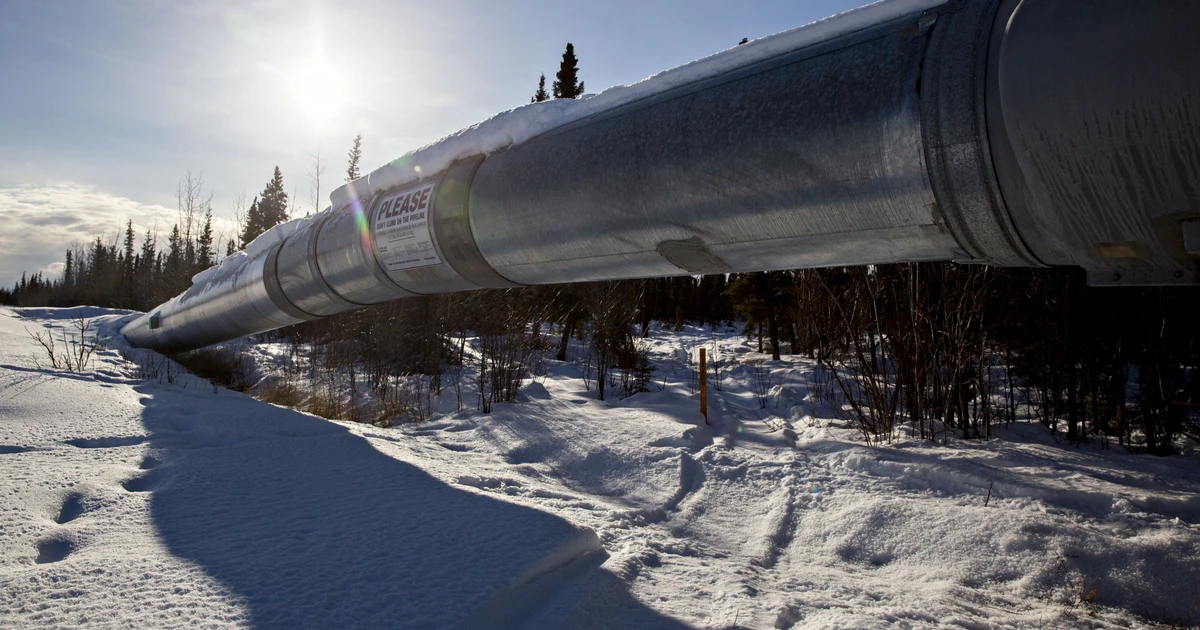
The U.S. Department of the Interior has finalized a policy shift that opens 23 million acres of the National Petroleum Reserve-Alaska (NPR-A) to expanded oil and gas exploration, bypassing traditional environmental review processes. Published in Thursday’s Federal Register, the directive grants a “categorical exclusion” under the National Environmental Policy Act (NEPA) to all wintertime industrial activities within the reserve.
This regulatory change effectively exempts seismic surveys, the construction of ice roads, drilling permit applications, and the granting of rights-of-way from the rigorous environmental impact assessments historically required for federal land use. By utilizing a categorical exclusion—a classification typically reserved for actions that do not individually or cumulatively have a significant effect on the human environment—the administration has eliminated the requirement for site-specific public comment periods and scientific evaluations regarding the potential ecological consequences of these activities.
The NPR-A, the largest tract of undisturbed public land in the United States, serves as a critical habitat for a variety of Arctic wildlife, including the Teshekpuk Lake caribou herd, grizzly bears, and numerous species of migratory birds. Conservationists and environmental advocates have long argued that heavy machinery, seismic testing, and infrastructure development in this fragile ecosystem risk long-term damage to the permafrost and the biological integrity of the landscape. They contend that the use of a categorical exclusion masks these risks by circumventing the standard procedural checks intended to mitigate industrial harm.
Proponents of the measure, including industry representatives and certain state officials, maintain that the change is a necessary step to streamline the permitting process and maximize energy security. By removing the administrative hurdles associated with individual NEPA reviews for winter operations, the administration argues that companies can operate with greater predictability and efficiency during the limited winter window when the frozen tundra is most suitable for heavy equipment transit.
The move marks a significant departure from previous management strategies in the NPR-A, which have historically balanced resource extraction with protections for cultural sites and wilderness values. The National Petroleum Reserve, originally created in 1923, was designed to act as an emergency oil supply for the U.S. Navy. However, in recent decades, the debate over its management has intensified as economic pressure to exploit domestic oil reserves has clashed with a growing focus on the impacts of climate change in the Arctic.
Critics of the policy change argue that the categorical exclusion is legally precarious. NEPA requirements are intended to ensure that federal agencies consider the environmental consequences of their actions before proceeding. Opponents suggest that authorizing large-scale industrial exploration across 23 million acres without a comprehensive review process may violate the spirit, if not the letter, of the law. Potential legal challenges could follow, as environmental groups monitor how these exemptions are applied on the ground during the upcoming winter season.
The decision arrives amidst a broader push by the administration to accelerate energy production on federal lands. While the Department of the Interior maintains that the exclusion applies only to activities that do not result in significant environmental degradation, the breadth of the geographical area covered—an expanse roughly the size of Indiana—indicates a significant shift in federal land management priorities. As the winter exploration season approaches, the focus now turns to whether this expedited approval process will result in measurable impacts on the Alaskan wilderness or whether the industry will successfully leverage the new regulatory latitude to accelerate drilling operations in one of the world’s final remaining frontiers.
Disclaimer: This content is auto-generated for informational purposes only.
Source: Read Original News