







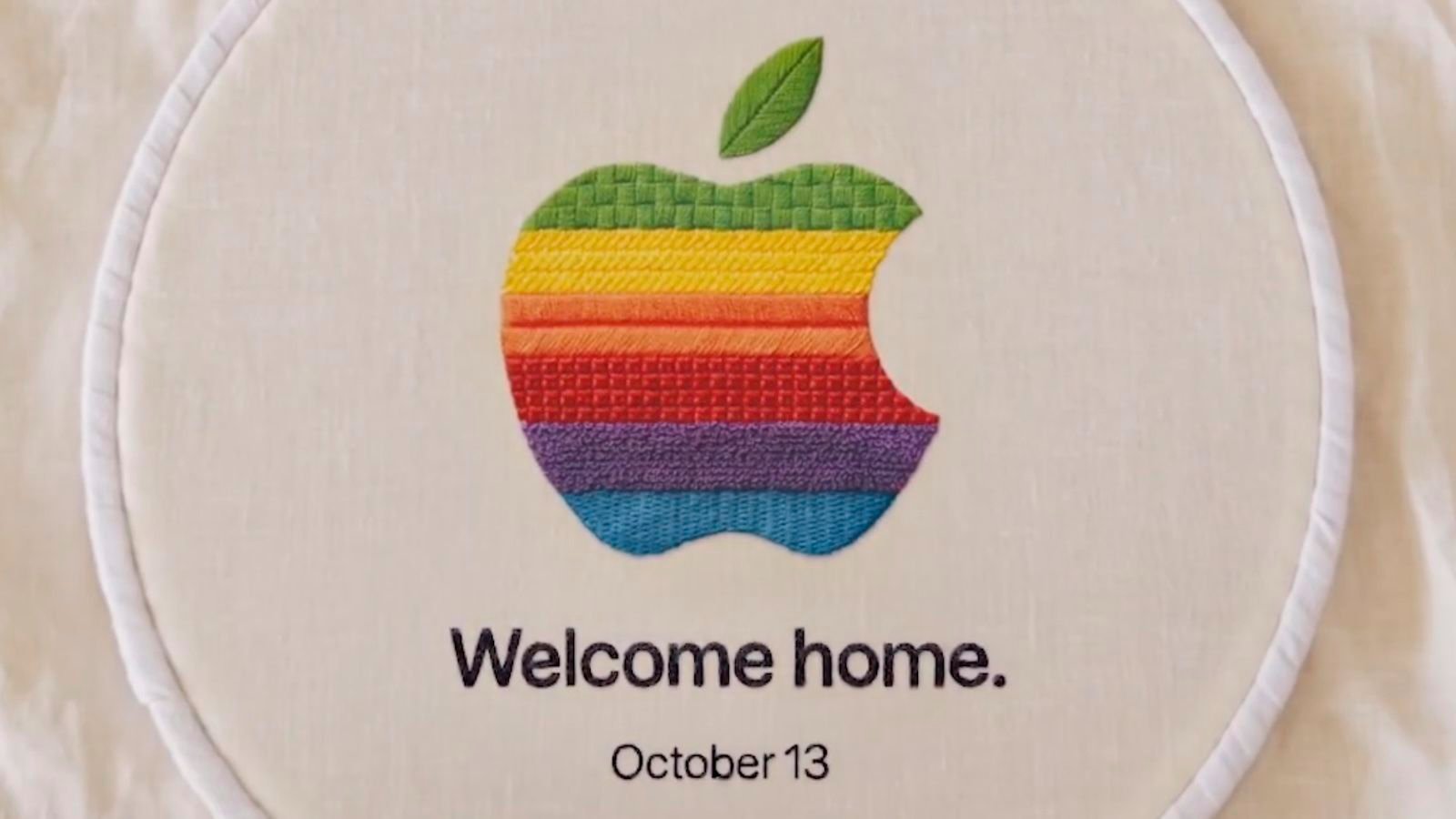
Apple has officially confirmed a product launch event scheduled for Tuesday, October 13, signaling a significant shift in focus toward the smart home ecosystem. With the slogan “Welcome home,” the company is expected to debut a hardware lineup designed to centralize residential technology management. The event, which includes an in-person “Apple Experience” in New York City, suggests a pivot toward hardware that facilitates ambient computing and home automation.
The Emergence of the Dedicated Smart Home Hub
The centerpiece of the upcoming launch is a novel smart home device that effectively bridges the functionality of a tablet and a high-fidelity speaker. Rumored to feature a 6-inch square display, this hardware is engineered for multi-user utility. Unlike an iPad, which is inherently personal, this hub is designed for shared spaces, allowing households to coordinate schedules, monitor home security feeds, and interact with various IoT devices.
The architecture of this hub prioritizes voice interaction powered by advanced artificial intelligence. Beyond voice commands, the device incorporates sophisticated sensor technology, including an integrated camera and presence detection. These sensors allow the hub to recognize specific individuals as they enter a room, triggering a personalized interface that displays relevant widgets, calendar events, and notifications tailored to that user. Apple is reportedly planning two mounting configurations: a wall-mounted version for fixed placement and a stationary model equipped with a half-dome speaker base, reminiscent of the classic iMac G4 design. Positioned at a projected price point of $350, this device aims to move beyond simple automation, functioning as an intelligent, context-aware command center.
Advancements in the HomePod Mini and Apple TV 4K
Complementing the new hub are substantial hardware refreshes for the HomePod mini and the Apple TV 4K. The HomePod mini is receiving a technical overhaul, highlighted by the integration of the N1 networking chip. This addition is expected to significantly enhance connectivity stability via improved Wi-Fi and Bluetooth performance. Furthermore, the device will house an updated S-series processor, providing the computational overhead necessary to run more complex, on-device AI tasks, thereby allowing for faster and more precise responses from Siri.
The Apple TV 4K is also slated for a performance boost, with rumors pointing to the inclusion of an A19 or A19 Pro chip. This massive upgrade in processing power, paired with an increase in system memory, will likely facilitate smoother UI transitions and potentially support more demanding media formats or localized gaming applications. To round out the entertainment experience, the unit will include an upgraded Siri Remote, likely featuring refined haptic feedback and improved integration with the broader home automation ecosystem, along with the same N1 networking hardware found in the updated HomePod mini to ensure seamless data handoffs between home devices.
Expanding the Tablet Portfolio with OLED Technology
While the event is primarily focused on the domestic environment, reports indicate the possible introduction of an updated iPad mini. This refresh is highly anticipated due to the expected shift to an OLED display, which would mark the first time Apple has applied this screen technology to its smaller tablet form factor. OLED displays offer superior contrast ratios and deeper black levels, which are critical for media consumption and precision graphic tasks.
Beyond the display, this new iteration of the iPad mini is expected to feature increased water resistance, addressing a common durability request for handheld devices used in various environments. The internal silicon will also be upgraded to a more efficient, high-performance chip, likely aligning the small tablet with the compute capabilities of the current high-end mobile lineup. This combination of improved display longevity and enhanced performance makes it a logical, if slightly auxiliary, addition to an event centered on high-utility personal and household technology.
Strategic Implications for Home Automation
The focus on an October 13 launch event underscores a long-term strategy to standardize the smart home experience. By introducing a wall-mountable hub with an ambient display, Apple is targeting the “always-on” nature of home management, a sector where the company has previously lagged behind dedicated home automation providers. The incorporation of a presence sensor and personalized user interfaces indicates that Apple is moving toward a future where smart homes do not just react to commands, but anticipate the needs of specific residents based on their presence and patterns.
The use of the N1 chip across these products suggests a concerted effort to create a more robust mesh network within the home. By ensuring that the Apple TV and HomePod mini possess stronger wireless capabilities, the entire ecosystem becomes more resilient to interference and latency issues, which are common pain points in complex smart home setups.
Event Logistics and Future Roadmap
The “Apple Experience” in Tribeca, New York, starting at 9:00 a.m. on October 13, serves as a venue for hands-on evaluation of these new technologies. While there has been industry speculation regarding upcoming Mac computers, current indications suggest that those product lines may be reserved for a separate release cycle later in the final quarter of the year.
This specific event remains tightly tethered to the theme of the modern home. For potential users and technology enthusiasts, the announcement represents a transition from fragmented smart devices to an integrated, voice-first, and context-aware platform. By focusing on internal processing speed and AI-driven personalization, the hardware lineup is positioned to handle the increasing demands of sophisticated home automation while maintaining the simplicity expected from Apple’s interface design.
Disclaimer: This content is auto-generated for informational purposes only.
Source: Read Original News